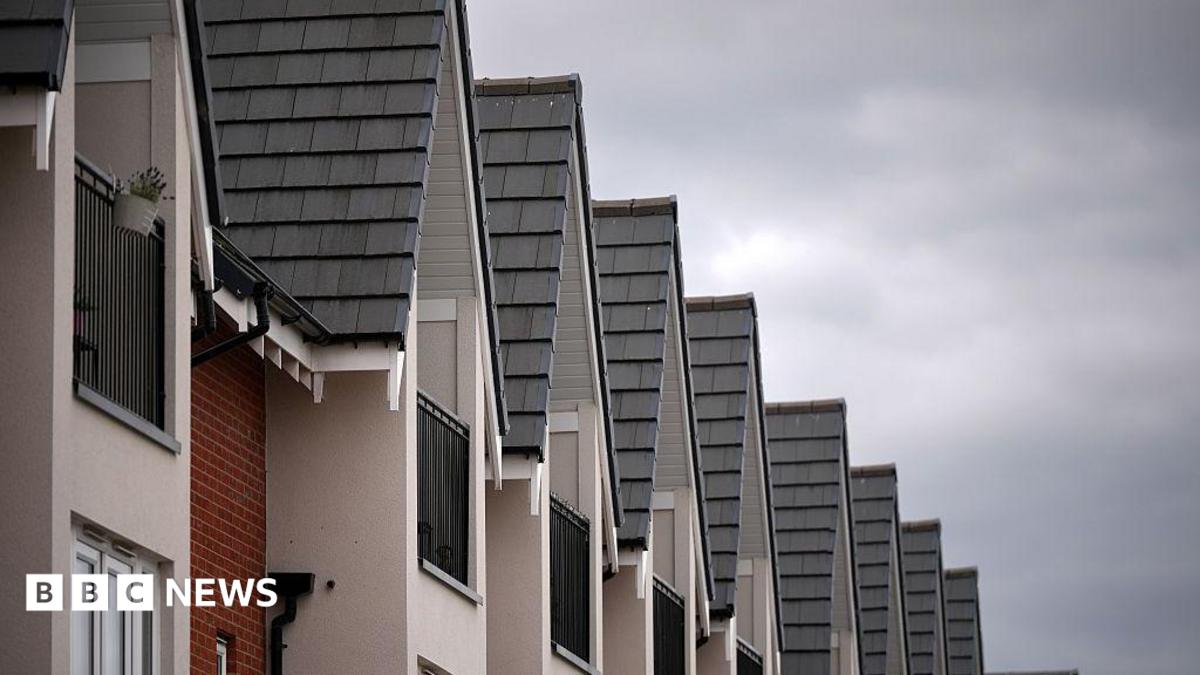
‘I’m missing out’: the cash-strapped UK university students forced to live at home
UK university students from poorer backgrounds are increasingly forced to live at home due to financial constraints. A report found 52% of prospective undergraduates from England's poorest neighborhoods expect to live at home while studying.
Intelligence analysis by Llama 3.3 70B
Rising rents and living costs are shaping university choices, with students from disadvantaged backgrounds limiting their options due to financial worries.
Some students in the UK can't afford to move away from home to attend university, so they have to live with their parents. This can make it harder for them to make friends and get job opportunities.
Analysis
Financial Constraints and University Choices
The rising costs of living and renting in the UK are forcing students from poorer backgrounds to limit their university options. A report by the Resolution Foundation found that 52% of prospective undergraduates from England's poorest neighborhoods expect to live at home while studying, compared to 18% from the least deprived areas. This trend is not only affecting students' social lives but also their career opportunities and future prospects.
The financial constraints are so severe that some students are having to choose between attending a local university or not attending at all. According to Carl Cullinane, the director of research and policy at the Sutton Trust, 'Young people from disadvantaged backgrounds are increasingly having to limit their options for higher education studies because of worries about costs.'
Impact on Social Life and Career Opportunities
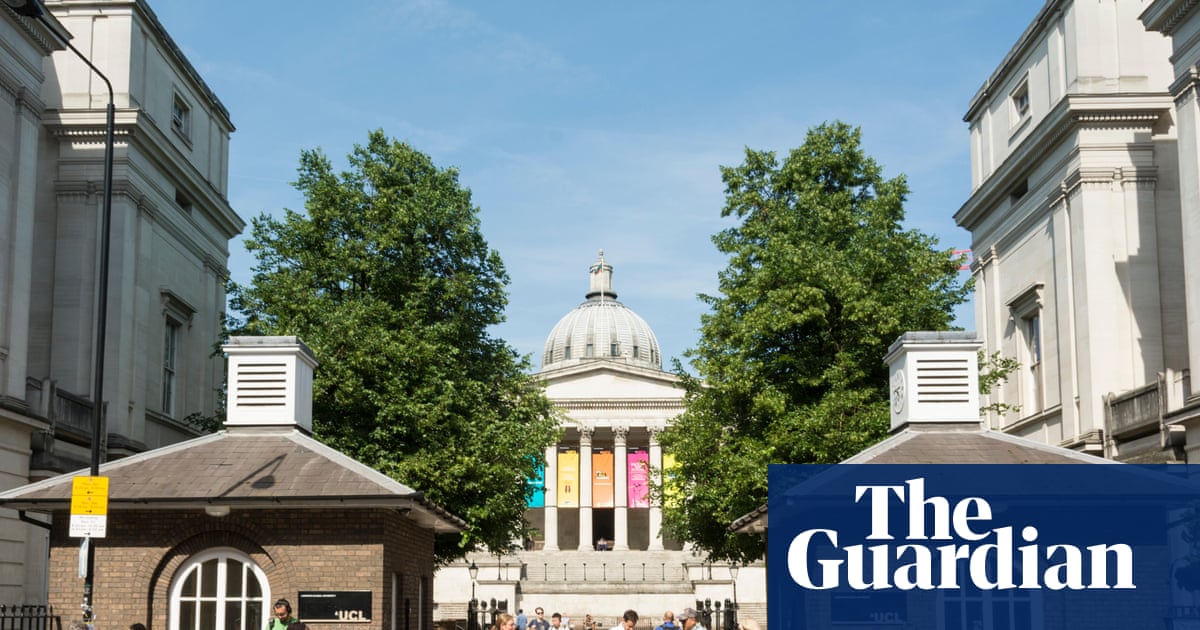
Living at home can have a significant impact on a student's social life and career opportunities. Mariam, a 19-year-old University College London student, says she is 'definitely suffering from not having the best social life' due to her long commute from home. She also believes that living at home will affect her future career prospects, as she is missing out on spontaneous networking opportunities and events.
However, some students, like James Davies, believe that living at home has its positives. He doesn't have to work to pay rent, which gives him more time to focus on his studies. But experts warn that this is not the case for all students, and that the funding system needs to be revised to support students from all backgrounds.
Funding System and Policy Implications
The current funding system in the UK assumes that students can rely on family support, which is not always the case. Rose Stephenson, the director of policy and strategy at the Higher Education Policy Institute, criticized the system, saying that it enables students living away from home to borrow more money for living costs than those living with their parents. This can create a significant disparity in the amount of debt students accumulate, depending on their living situation.
The issue highlights the need for policymakers to rethink the traditional residential university experience and provide more support for students from disadvantaged backgrounds. As Alex Stanley, the vice-president for the National Union of Students, said, 'Everyone must have the option to move out to go to university,' and the funding system should be designed to support this goal.
Key points
- 52% of prospective undergraduates from England's poorest neighborhoods expect to live at home while studying
- Rising rents and living costs are shaping university choices
- The funding system assumes students can rely on family support, which is not always the case
If the funding system is revised to support students from all backgrounds, more students will be able to attend university and have equal access to career opportunities and social experiences. This could lead to a more diverse and inclusive higher education system.
If the trend of students living at home continues, it could exacerbate existing inequalities in higher education and limit the opportunities available to students from disadvantaged backgrounds. This could have long-term consequences for their career prospects and social mobility.