‘I’m not a Labour fan but I like Burnham’: relief in Makerfield among left, right and centre
Andy Burnham wins Makerfield byelection with a majority of 9,231 votes. Labour secured 55% of the vote, while Reform UK got 35%. The victory was due to a coalition of voters from the left, centre, and right.
Intelligence analysis by Llama 3.3 70B
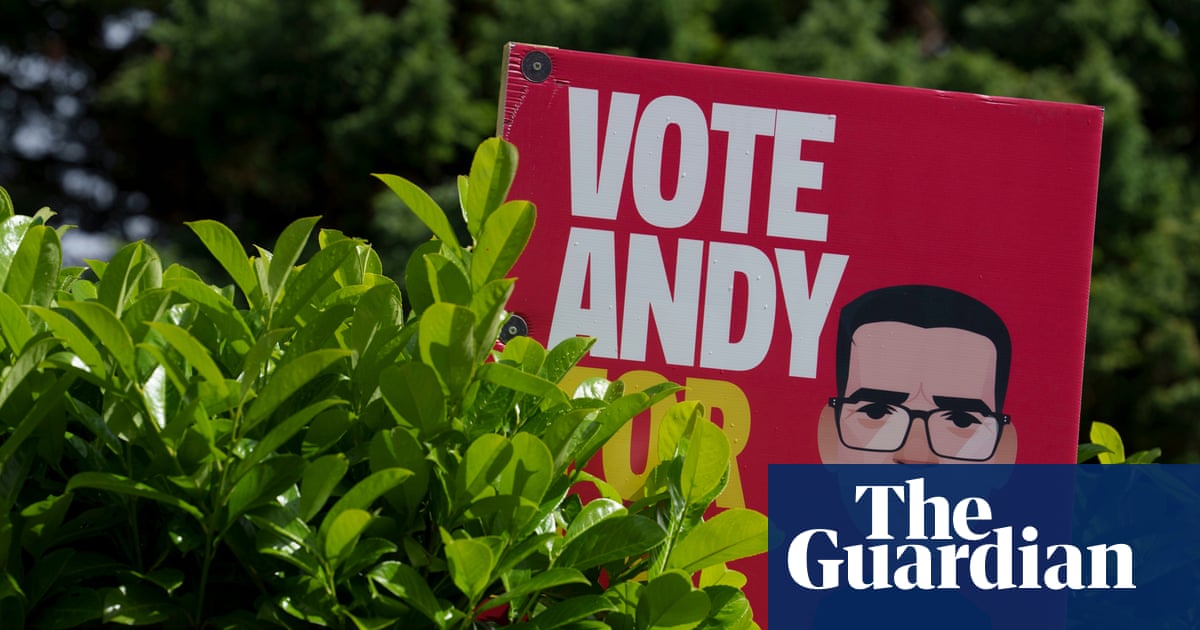
Burnham's win in Makerfield was a result of a broad coalition of voters, including those from the left, centre, and right, who united to defeat the Reform UK candidate.
Imagine you're playing a game with your friends, and you have to choose a team captain. You might not always agree with the captain, but you choose them because they're the best person to lead the team. That's what happened in the Makerfield byelection, where voters from different parties came together to support Andy Burnham because they thought he was the best person to lead the area.
Analysis
A Coalition of Voters
The Makerfield byelection result was a surprise to many, as it showed that voters from different parts of the political spectrum could come together to support a single candidate. Burnham's victory was not just due to Labour loyalists, but also due to the support of voters from the centre and right, who were willing to put aside their differences to prevent the rise of Reform UK.
The result is a significant blow to Reform UK, which had been hoping to make gains in the constituency. The party's divisive politics and focus on immigration had alienated many voters, who saw Burnham as a more moderate and inclusive alternative.
The Role of Borrowed Supporters
Burnham's victory was also due to the support of 'borrowed' voters, who had previously supported other parties. Some of these voters had backed Reform UK in the past, but had become disillusioned with the party's politics and had switched to Labour. Others had supported the Green party or the Liberal Democrats, but had decided to back Burnham in order to prevent a Reform UK victory.
The support of these borrowed voters was crucial in securing Burnham's victory. Without their support, it is unlikely that Labour would have been able to secure such a large majority. The result shows that voters are willing to be flexible and to support candidates who they believe can make a positive difference, even if they do not normally support their party.
Implications for the Future
The Makerfield byelection result has significant implications for the future of UK politics. It shows that voters are willing to come together to support a candidate who they believe can make a positive difference, even if they do not normally support their party. The result also boosts Burnham's chances of becoming the next Labour leader, and could potentially pave the way for a more moderate and inclusive Labour party.
The result is also a warning to Reform UK and other parties that promote divisive politics. It shows that voters are not willing to support parties that focus on immigration and division, and that they will come together to support candidates who promote a more positive and inclusive vision for the country.
Key points
- Andy Burnham wins Makerfield byelection with a majority of 9,231 votes
- Labour secured 55% of the vote, while Reform UK got 35%
- The victory was due to a coalition of voters from the left, centre, and right
The result of the Makerfield byelection could lead to a more moderate and inclusive Labour party, which could potentially appeal to a broader range of voters. It could also pave the way for a more positive and inclusive vision for the country, where voters come together to support candidates who promote unity and cooperation.
The result of the Makerfield byelection could also lead to further division and polarization in UK politics, as some voters may feel that their voices are not being heard. It could also lead to a backlash against Labour and other parties that promote a more moderate and inclusive vision for the country.