IMF agrees to Rs60 billion relief for salaried class: sources
Pakistan’s final budget meeting with the IMF reportedly secured relief for salaried workers, BISP recipients and students. Sources also say planned tax pressure on solar panels and stationery was eased.
Intelligence analysis by GPT-5.4 Mini
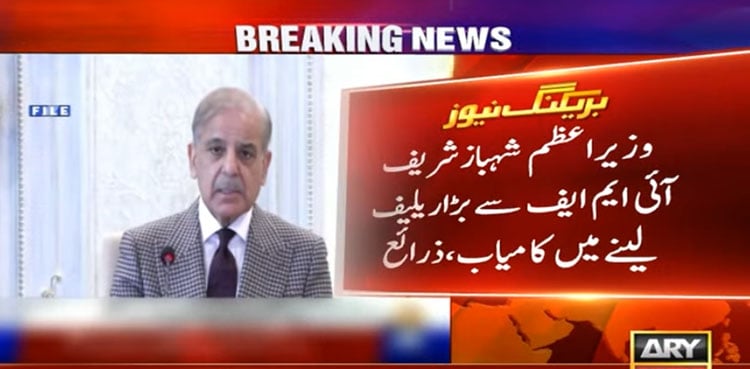
Sources say Pakistan’s final budget talks with the IMF ended with relief measures for salaried workers, an expected BISP increase, and softer tax plans for solar panels and stationery. The budget still appears to avoid major changes for the stock market and tobacco.
Pakistan and the IMF are like two people agreeing on a family budget. Sources say they may let salary earners keep more money, give a bigger cash help to poor families, and avoid extra tax on some school and solar items.
Analysis
What the sources say
Pakistan and the IMF have reportedly completed their final budget meeting ahead of the 2026–27 fiscal announcement. According to sources cited by ARY News, Prime Minister Shehbaz Sharif pushed the Fund on public-facing relief measures and won agreement in principle on several items.
The biggest reported gain is relief for the salaried class. Sources say the package could amount to about Rs60 billion and is meant to benefit wage earners. The report does not spell out the exact tax mechanism, but it presents the move as a meaningful concession in the budget negotiations.
Social protection and tax relief
The article also says the IMF has agreed to an increase in the Benazir Income Support Programme stipend, which would expand social protection for lower-income households. In addition, pressure for an 18 percent sales tax on solar panels and stationery has reportedly been withdrawn.
Instead, the report says no new sales tax is expected on stationery items, while the solar panel tax may stay around 10 percent in the budget. It also says relief measures for students and parents have been included, with the proposed 18 percent stationery tax expected to be dropped.
What may stay unchanged
The story adds that no major changes are expected in taxation on the stock market and tobacco products. That suggests the government is trying to balance relief for households with limited disruption to other revenue lines.
Because the article is based on sources rather than a formal budget document, the details should be read as reported outcomes from negotiations, not yet as the final published budget text.
Key points
- Pakistan and the IMF have reportedly finished their final budget meeting for 2026–27.
- Sources say relief for salaried workers worth about Rs60 billion is under consideration.
- The IMF is also said to have agreed to a higher BISP stipend.
- Planned 18 percent taxes on solar panels and stationery were reportedly softened or withdrawn.
- No major changes are expected in taxation on the stock market or tobacco products.
If these reported measures make it into the final budget, salaried workers could see some breathing room at a time of tight household budgets. Higher BISP support and lower pressure on stationery and solar items could also help students and lower-income families.
Because the article relies on sources, the reported relief may still change before the budget is final. Even if the concessions hold, the solar tax may still remain at around 10 percent and other parts of the tax system appear largely unchanged.