IMF Agrees to Withdraw Proposed Tax Hike on Stationery Items
The IMF has reportedly agreed to drop a proposed rise in sales tax on stationery, easing pressure on families and schools. The change follows Prime Minister Shehbaz Sharif’s intervention, ProPakistani reports.
Intelligence analysis by GPT-5.4 Mini
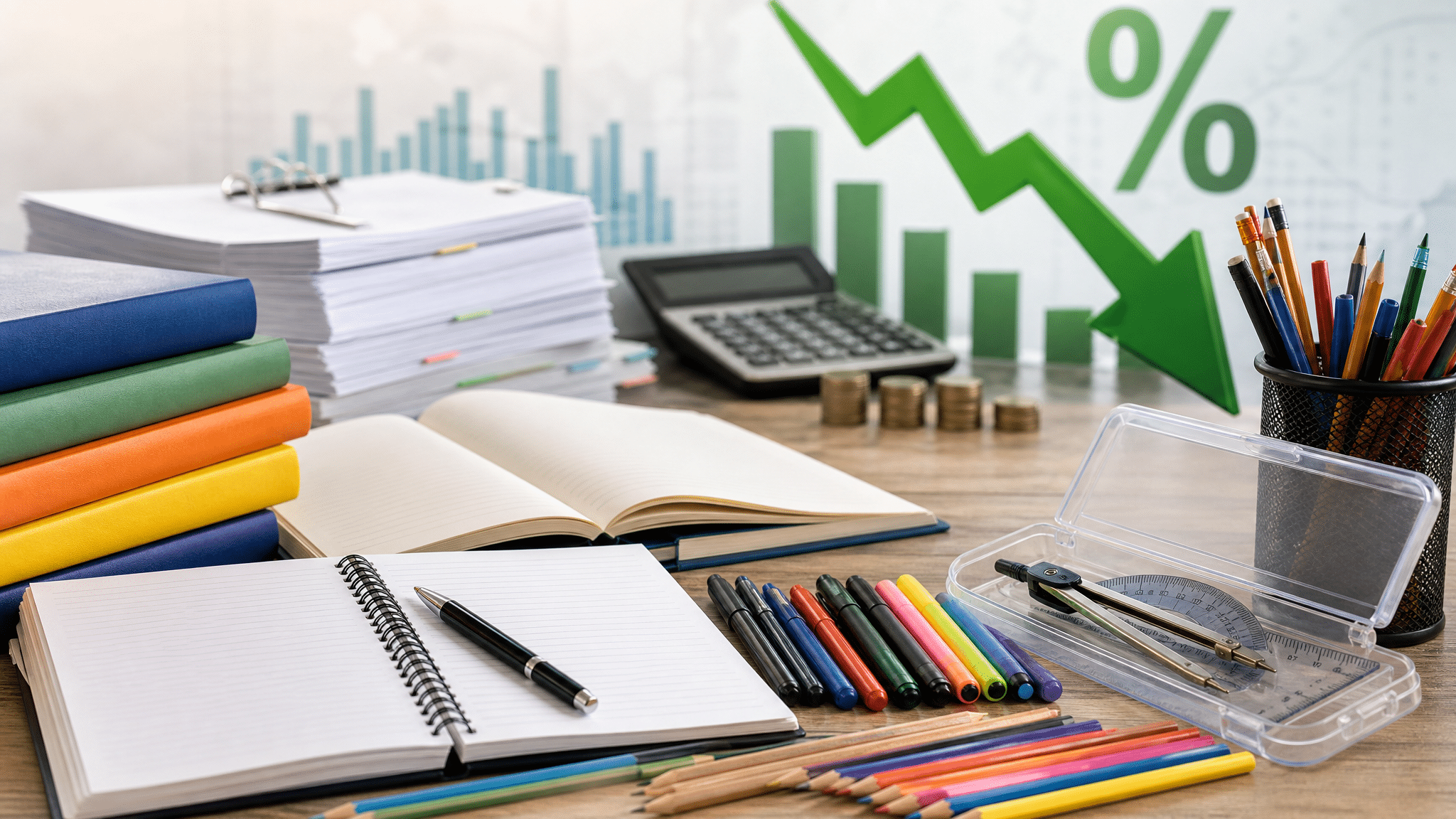
Pakistan’s budget talks have produced a small but visible relief measure: the IMF has agreed to withdraw the planned increase in sales tax on stationery items from 10% to 18%. The move would spare students, households, and institutions from higher education-related costs at a time of inflation and weak purchasing power.
Pakistan’s budget team wanted to make pencils, notebooks, and other school things more expensive by adding more tax. The IMF reportedly said no after the prime minister stepped in, so families may not have to pay extra for those everyday school supplies.
Analysis
What happened
ProPakistani reports that the IMF has agreed to withdraw a proposed increase in sales tax on stationery items after Prime Minister Shehbaz Sharif intervened. The reported plan was to raise the tax from 10 percent to 18 percent in the upcoming federal budget for 2026-27, but that increase will not now move forward, according to sources cited by the outlet.
Why the issue matters
The article frames stationery as a basic school necessity rather than a discretionary purchase. Items such as notebooks, pens, pencils, erasers, and geometry boxes are mentioned as standard costs that households face at the start of each academic year. An 18 percent tax on those goods would have pushed up the cost of education for families already dealing with high inflation and weak real incomes.
Economic context
The story also notes that Pakistan’s stationery market is heavily import-dependent, with many finished products and raw materials coming from China and other regional suppliers. ProPakistani says the domestic stationery and office supplies market is worth tens of billions of rupees annually and serves schools, universities, offices, and government departments.
Takeaway
This is presented as one of the clearer concessions Islamabad has secured during budget negotiations. The immediate effect, if the report holds, is relief for consumers and institutions that rely on low-cost school supplies. The longer-term significance is that it shows how sensitive even small tax changes can be in a high-inflation environment.
Key points
- The IMF reportedly agreed to withdraw a proposed increase in sales tax on stationery items.
- The proposed rise would have taken the tax from 10 percent to 18 percent in the 2026-27 federal budget.
- Prime Minister Shehbaz Sharif’s intervention is described as the trigger for the reversal.
- The report says the move would ease costs for students, households, and educational institutions.
- Pakistan’s stationery market is described as import-dependent and worth tens of billions of rupees annually.
If the reported decision holds, families should avoid a sharp jump in the price of basic school supplies. That would help keep back-to-school costs lower for students, schools, offices, and government buyers.
The relief depends on the reported agreement staying intact through the final budget process. If other taxes rise elsewhere, families could still feel the squeeze even without the stationery hike.