IMF demands 25% sales tax on imported electric vehicles
The IMF wants imported EVs taxed at 25%, rejecting Pakistan's proposed 1% rate. The move comes as the government weighs budget relief for local auto makers.
Intelligence analysis by GPT-5.4 Mini
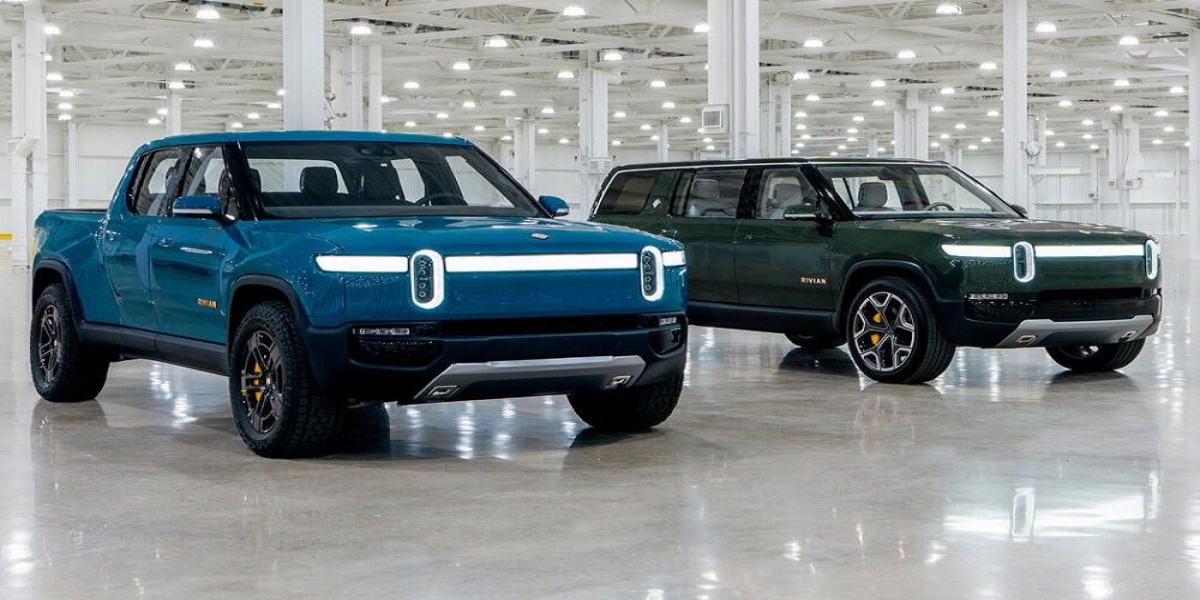
Pakistan is weighing budget changes for the auto sector, but the IMF is opposing a steep tax cut for imported electric vehicles. Sources say the fund wants imported EVs treated as luxury goods, while the government also considers relief for local manufacturers and some imported parts.
Pakistan wants to make imported electric cars cheaper, but the IMF says they should still pay a big tax, like a fancy toy that costs more at the store. At the same time, the government is trying to help local car makers by lowering some costs for parts.
Analysis
What happened
Sources say the IMF has rejected Pakistan’s proposal to cut sales tax on imported electric vehicles to 1% and instead wants the rate set at 25%. The fund is treating imported EVs as luxury items despite their environmental pitch, and it does not want a tax concession on them.
Broader budget context
The report ties the dispute to wider budget planning, with Prime Minister Shehbaz Sharif telling officials to protect jobs in domestic industries. According to the article, the government is considering relief for local auto manufacturing, including lower taxes on imported raw materials and reduced duties on parts used for locally assembled vehicles.
What else is being considered
The article says the government may halve some duties on auto parts from 10% to 5%, and cut other parts taxes from 20% to 10%. It also mentions a possible small near-term concession on imported jeeps, with a tax cut of 2 percentage points from the current 50%, and a longer-term plan to bring that down to 40% over five years.
EV policy background
Pakistan approved an EV support plan in 2020 that allowed lower taxes on imported parts for electric two- and three-wheelers and on fully built units brought in by manufacturers. Those tax breaks were extended in 2021 until June 30, 2026, and later expanded to include light commercial vehicles and vans. The new proposed law in 2026 would update the rules to match that policy and keep lower customs duties on fully built EVs until that date.
Key points
- The IMF reportedly wants imported electric vehicles taxed at 25%, not 1%.
- Sources say the fund views imported EVs as luxury goods and opposes tax concessions.
- Pakistan is also considering relief for local auto manufacturers and some imported parts.
- The government may lower duties on auto raw materials and selected parts in the next budget.
- The article says EV tax breaks introduced in 2020 were extended until June 30, 2026.
If the government finds a compromise, Pakistan could still support local car makers while keeping parts of its EV policy in place. Clear rules could also give manufacturers more certainty before the budget is finalized.
If the IMF stance holds, imported EVs may stay expensive and adoption could slow. The dispute could also limit how much relief the government can offer in the budget, especially if it has to balance industrial support with lender expectations.