‘Immediate national priority’: ministers accused of complacency over UK food supply
A trade body says UK food supply needs urgent protection from cyber attacks, fuel shortages and extreme weather. It wants cold-chain resilience treated as a national priority.
Intelligence analysis by GPT-5.4 Mini
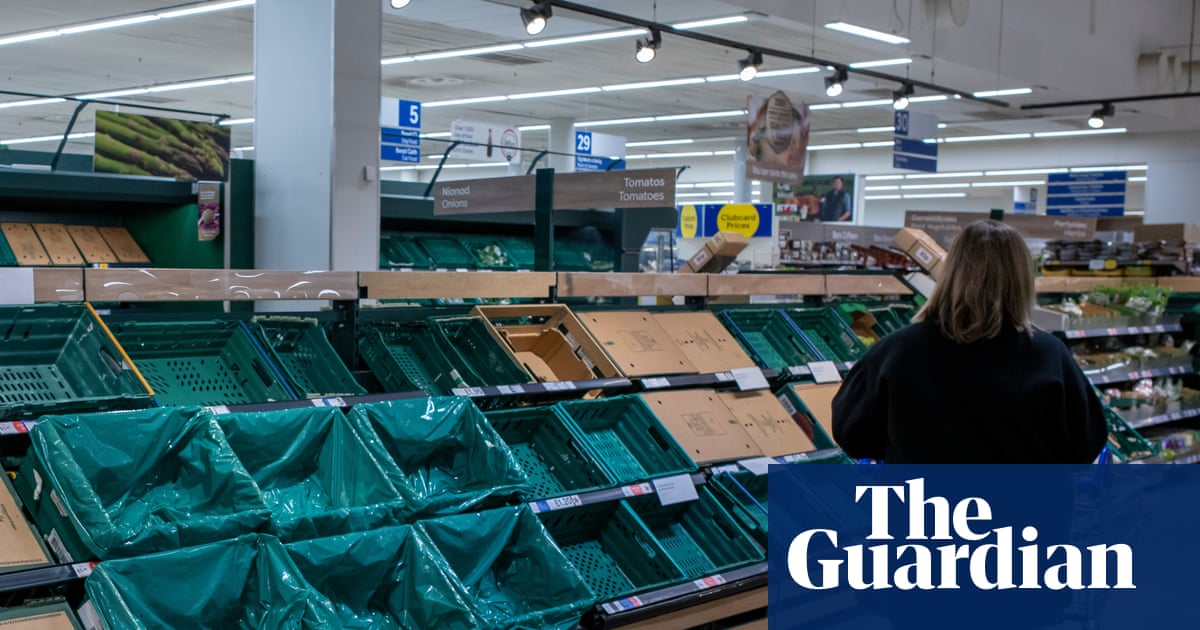
The Cold Chain Federation says ministers are underestimating how exposed the UK is to food-supply shocks. It argues that cold stores and transport hubs should be treated as critical infrastructure, with stronger resilience planning and security oversight.
The article says the UK’s food delivery system is like a long freezer chain. If one link breaks from storms, computer attacks or fuel problems, shops can run out of food fast.
Analysis
What the industry is warning about
The Cold Chain Federation says the UK’s food system faces a mix of threats that could interrupt supplies: fuel shortages, cyber attacks, border delays and extreme weather. Its chief executive, Phil Pluck, says the risk of a major food crisis is still very real, while the federation’s deputy chief executive argues there is too much complacency about where food is stored and how it moves around the country.
Why the cold chain matters
The cold chain covers chilled and frozen food, but also medicines, vaccines and blood and plasma products. The article says these goods are moved through 460 cold-storage sites and about 100,000 lorries on the way from producers to retailers, hospitals, schools, care homes and hospitality venues. The federation says the UK depends on overseas imports for more than a third of its food, with much of it entering through four ports, which creates a narrow set of choke points.
What the federation wants
The CCF wants the government to designate cold stores and food transport hubs as critical infrastructure rather than treating the food sector only in broad terms. It also wants staff at large cold stores and transport hubs to regain permanent essential-worker status, and for the Cabinet Office to take overall responsibility for cold-chain resilience and security. The group says this would help keep power supplies on during major outages.
Government response
A government spokesperson said food is already one of the UK’s 13 critical national infrastructure sectors and said the government is investing billions in new technology, climate-resilient crops and higher yields. The article leaves open the gap between that general framework and the federation’s call for more specific protection around storage and transport hubs.
Key points
- The Cold Chain Federation says UK food supply risks are being underestimated by ministers.
- It points to fuel shortages, cyber attacks, extreme weather and border disruption as threats.
- The UK imports more than a third of its food, much of it through four ports.
- The federation wants cold stores and food transport hubs treated as critical infrastructure.
- The government says food is already a critical national infrastructure sector and cites investment in farming technology.
If ministers take the warnings seriously, the UK could strengthen the parts of the supply chain most likely to fail first. Better protection for cold stores and transport hubs could make food and medicines harder to disrupt during storms, cyber incidents or border delays.
If the system stays as it is, the country may keep facing short, repeated shortages when imports are hit by weather, energy shocks or security incidents. The federation warns that vulnerable households would feel those disruptions first and most sharply.