Immigrant who donated lifesaving kidney to his brother is detained by ICE again
José Gregorio González, a Venezuelan immigrant, was detained by ICE again after donating his kidney to his brother, José Alfredo Pacheco, who has end-stage renal disease. González had been reporting to ICE on a weekly basis since April and was placed in an intensive super…
Intelligence analysis by Llama
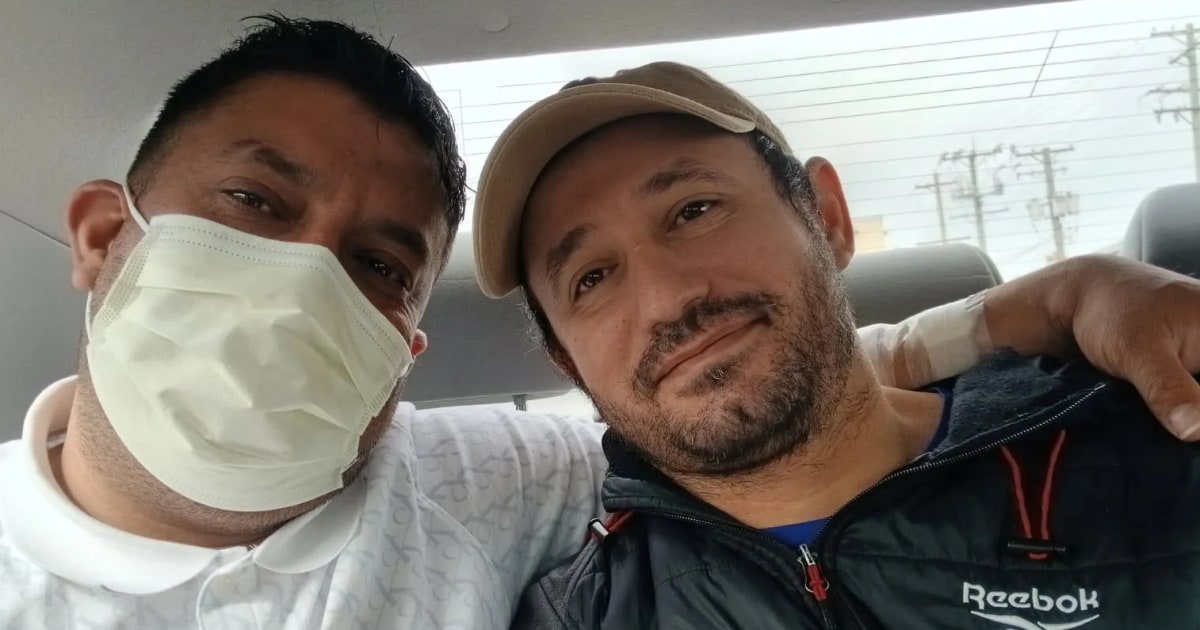
A Venezuelan immigrant who donated his kidney to his brother has been detained by ICE again, sparking concerns about the treatment of immigrants in the US. The brother, who received the transplant, is struggling to recover and is worried about being left alone.
A Venezuelan immigrant donated his kidney to his brother, who has a serious kidney disease. However, the immigrant was detained by ICE again, which has left his brother worried about being left alone. This story highlights the complexities of immigration laws and the impact on families.
Analysis
A Brother's Sacrifice, A Family's Struggle
José Gregorio González's decision to donate his kidney to his brother, José Alfredo Pacheco, was a selfless act that saved his brother's life. However, this act of kindness has now put González in the midst of a complex immigration battle.
González, a Venezuelan immigrant, had been living in the US since 2023, when he first attempted to enter the country. However, he was arrested and removed by Border Patrol. In December 2023, Pacheco was diagnosed with end-stage renal disease, and González returned to the US to care for his brother.
The brothers' situation is a prime example of the complexities of immigration laws. González sought asylum but did not pass an initial credible fear interview, resulting in a deportation order. However, he was allowed to remain in the country under ICE supervision and with an ankle monitor.
The humanitarian parole that allowed González to stay in the US expired in April, and he was placed in an intensive supervision program. However, ICE detained him last week, citing that he overstayed his parole in 'violation of our nation's laws.'
This development has left Pacheco worried about being left alone. 'My world came crashing down,' he said, noting that González is his sole caregiver. 'My biggest fear is being left alone here.'
The brothers' situation raises questions about the treatment of immigrants in the US and the consequences of deportation. 'Someone who's committed a very selfless act, like donating a kidney, is still being treated like they're a threat to this country,' said Peter Meinecke, González's attorney.
A Fragile Health Care System
Venezuela's fragile health care system has been deteriorating for years, and the recent earthquakes have further exacerbated the crisis. The country's health care system is struggling to cope with the aftermath of the disaster, and Pacheco's recovery is a testament to the challenges faced by patients in Venezuela.
A Brother's Love
González's love and dedication to his brother are a testament to the strength of their bond. 'He is the best of us all,' Pacheco said, noting that his brother never complained about the situation and instead insisted he not worry about him.
The Road Ahead
The brothers' situation is a complex one, and the outcome is uncertain. However, one thing is clear: the love and dedication of the brothers will continue to inspire and motivate those around them.
Key points
- José Gregorio González, a Venezuelan immigrant, was detained by ICE again after donating his kidney to his brother.
- González had been reporting to ICE on a weekly basis since April and was placed in an intensive supervision program.
- The brothers' situation raises questions about the treatment of immigrants in the US and the consequences of deportation.
- González's attorney plans to request another humanitarian parole for release from detention.
- The brothers' situation may raise awareness about the complexities of immigration laws and the need for more compassionate policies.
There is a possibility that González's attorney will be able to request another humanitarian parole for release from detention. Additionally, the brothers' situation may raise awareness about the complexities of immigration laws and the need for more compassionate policies.
González may face deportation to Venezuela, where he will have limited access to medical care. This could have serious consequences for his health and well-being, as well as for his brother's recovery.