In 1927, John D Rockefeller Jr secretly used a shell company to buy over 35,000 Wyoming acres for $1.4 million; NPS says acquiring the same amount of Jackson Hole land today would cost over $1 billion
In 1927, John D. Rockefeller Jr. secretly acquired over 35,000 acres in Wyoming's Jackson Hole through a shell company for $1.4 million, intending to donate it for conservation.
Intelligence analysis by Gemini 2.5 Flash
John D. Rockefeller Jr. covertly bought vast tracts of land in Jackson Hole, Wyoming, in the 1920s using the Snake River Land Company. His goal was to preserve the area from rampant development and eventually donate it to the federal government for a national park. While successful in conservation, the secrecy surrounding the acquisition caused significant local distrust when his phil…
Imagine a very rich person named John D. Rockefeller Jr. loved a beautiful valley called Jackson Hole, but he saw it getting filled with ugly buildings. He wanted to save it, so he secretly bought huge chunks of land using a fake company name, like a secret agent buying property. He paid $1.4 million for over 35,000 acres, which was a fair price then, but would cost over a billion dollars today! He planned to give it all to the government to make a big park, but when people found out he'd been secretly buying land, they felt tricked, even though his goal was good.
Analysis
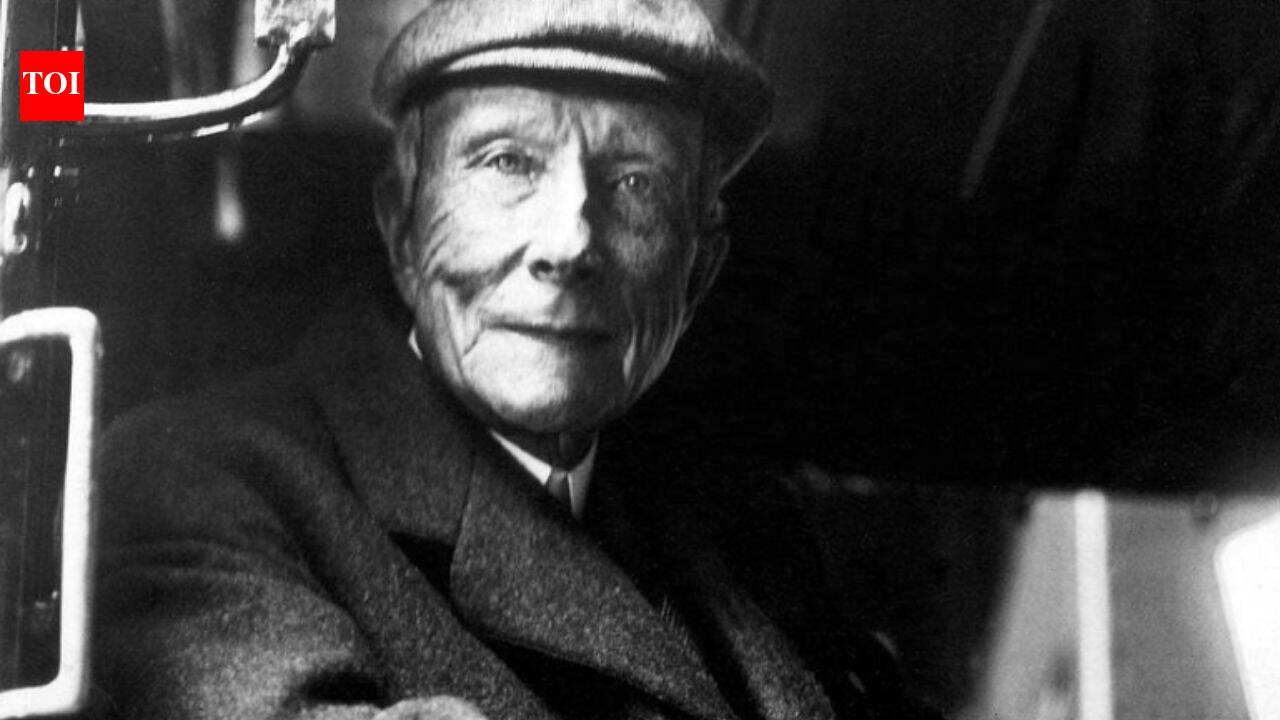
John D Rockefeller Jr John D. Rockefeller Jr., a prominent businessman and philanthropist, played a pivotal role in the conservation of Jackson Hole, Wyoming. His visit to the region in 1926, alongside Yellowstone Superintendent Horace Albright, sparked his interest in preserving its natural beauty against encroaching commercial development. Rockefeller envisioned acquiring private lands to eventually donate them to the federal government, thereby expanding what would become Grand Teton National Park. His commitment to this cause was substantial, involving a personal investment of $1.4 million, a considerable sum in the 1920s.
The strategy employed by Rockefeller and Albright was marked by secrecy, primarily to prevent landowners from inflating prices if they knew a wealthy benefactor was behind the purchases. This clandestine approach, while effective in achieving the land acquisition goals at a fair market price during an agricultural depression, ultimately led to significant community backlash. Despite his philanthropic intentions, the deception created a "lasting foundation of mistrust" among local residents, highlighting the complex interplay between noble goals and the methods used to achieve them.
Snake River Land Company
To execute the secret land acquisition, Rockefeller and Albright established a shell company in 1927 named the Snake River Land Company. This entity presented itself to the local community as a recreation company, effectively masking its true purpose and the identity of its ultimate benefactor. Harold Fabian managed the legal aspects, while Robert E. Miller, a highly influential local figure despite his known disagreements with the Park Service's conservation ideas, was tasked with directly purchasing the land. Neither Fabian nor Miller were initially aware of Rockefeller's involvement.
The company systematically bought over 35,000 acres north of the Gros Ventre River, moving from west to east across the valley. This extensive acquisition cost $1.4 million, averaging about $39.61 per acre, which the National Park Service notes was a fair price given the prevailing agricultural depression. The use of a shell company allowed for the consolidation of vast tracts of land without triggering speculative price hikes, a common challenge in large-scale land purchases for public good.
Grand Teton
The ultimate objective of Rockefeller's extensive land purchases was the creation and expansion of what is now Grand Teton National Park. After the Snake River Land Company had amassed over 35,000 acres, Rockefeller's plans, along with those of Albright and the Park Service, were made public by 1930. The revelation that a shell company had been secretly buying land with Rockefeller's money, with the intention of transferring it to the federal government for a national park, caused considerable controversy and a sense of betrayal among Jackson Hole residents.
This public outcry led to several investigations, including a Senate inquiry in 1932, which ultimately exonerated the Snake River Land Company. Despite the legal vindication, the initial deception left a deep-seated mistrust within the community, impacting the smooth transfer of the land. Nevertheless, Rockefeller's vision eventually materialized, contributing significantly to the protected landscape of Grand Teton National Park, a testament to a complex philanthropic endeavor that balanced conservation goals with community relations.
Key points
- In 1927, John D. Rockefeller Jr. secretly bought over 35,000 acres in Wyoming's Jackson Hole for $1.4 million.
- He used a shell company, the Snake River Land Company, to prevent landowners from inflating prices.
- The ultimate goal was to donate the land to the federal government for what would become Grand Teton National Park.
- When his plans were revealed in 1930, it caused significant distrust and a sense of betrayal among local residents.
- Despite a Senate investigation exonerating the company, the deception created a lasting foundation of mistrust in the community.
The successful acquisition and eventual donation of over 35,000 acres by John D. Rockefeller Jr. ensured the preservation of a significant natural landscape, preventing uncontrolled development and establishing a vital part of Grand Teton National Park. This act of philanthropy, despite its controversial methods, ultimately secured a vast area for public enjoyment and ecological protection for generations to come.
The secretive methods employed by Rockefeller and the Snake River Land Company, though intended to prevent price gouging, created a deep and lasting mistrust within the Jackson Hole community. This deception led to public outcry and investigations, demonstrating how even well-intentioned philanthropic efforts can backfire on community relations and public perception if transparency is compromised.