In Algeria, the unexpected return to grace of Mohamed Bouslimani to the Ministry of Communication
Mohamed Bouslimani, previously dismissed in 2023, has been reappointed as Algeria's Minister of Communication by President Abdelmadjid Tebboune following a partial ministerial reshuffle.
Intelligence analysis by Gemini 2.5 Flash
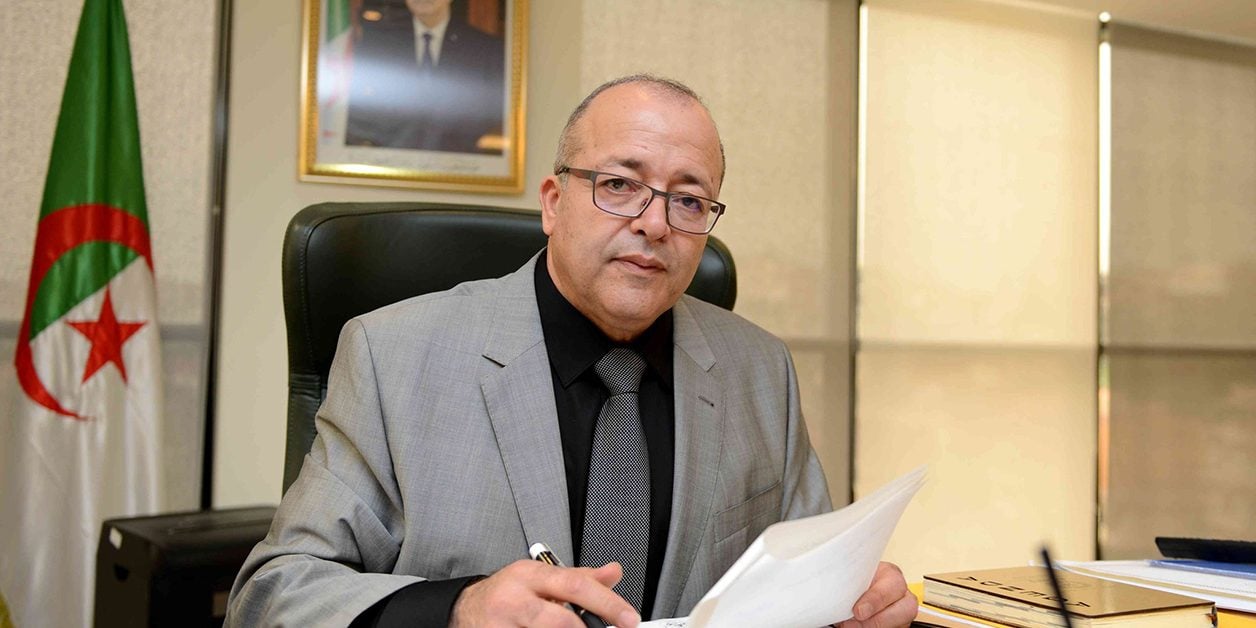
Mohamed Bouslimani, a 70-year-old veteran of public administration, has made an unexpected comeback as Algeria's Minister of Communication, a position he held before being dismissed in 2023. His reappointment by President Abdelmadjid Tebboune in a recent reshuffle is seen as indicative of the opaque and often unpredictable nature of high-level political appointments in Algeria.
Imagine a very experienced teacher who was asked to leave their job last year, but now the principal has suddenly asked them to come back and lead the same class again. That's kind of what happened in Algeria, where a 70-year-old man named Mohamed Bouslimani, who used to be in charge of how the government talks to people, is now back in his old job, showing that things can change quickly in grown-up politics.
Analysis
The reappointment of Mohamed Bouslimani as Algeria's Minister of Communication, a position he held until his dismissal in 2023, offers a telling insight into the often-unpredictable nature of high-level political careers within the Algerian state apparatus. His return, orchestrated by President Abdelmadjid Tebboune as part of a recent partial ministerial reshuffle, underscores the fluidity of power dynamics and the potential for unexpected rehabilitations within the country's political elite. Bouslimani, at 70 years old, represents a seasoned figure whose career is deeply rooted in public administration, suggesting a preference for experienced hands in key governmental roles despite previous removals.
Mohamed Bouslimani
Mohamed Bouslimani's career path is emblematic of a public servant deeply embedded within the Algerian administrative system. After an initial, albeit brief, foray into sports journalism, he transitioned into the Ministry of Communication in 1985, where he steadily climbed the ranks. This long tenure, spanning several decades, positions him as a "pure product of public administration," indicating a profound understanding of the ministry's operations and the broader governmental machinery. His age, 70, also highlights a tendency within Algerian politics to rely on veteran figures, often recalling them to service even after periods of absence.
His unexpected return, following a dismissal just a year prior in 2023, suggests that his previous removal might not have been due to fundamental disagreements or incompetence, but rather a reflection of internal political maneuvering or a temporary realignment of power. Such a swift recall points to a system where individuals can fall out of favor only to be reinstated when their specific expertise or political alignment becomes advantageous again. This pattern can make it challenging for external observers to predict or fully comprehend the rationale behind high-level appointments and dismissals.
Abdelmadjid Tebboune
President Abdelmadjid Tebboune's decision to recall Mohamed Bouslimani is a significant aspect of this development, showcasing the President's direct influence over ministerial appointments and the composition of his government. The reshuffle, described as "partial," indicates a strategic adjustment rather than a wholesale overhaul, suggesting that Bouslimani's return was a targeted choice by the Head of State. This move reinforces the perception of a centralized power structure where the President holds considerable sway in shaping the executive branch.
Tebboune's choice to reinstate a previously dismissed minister could be interpreted in several ways. It might signal a desire for continuity and stability in a key ministry, leveraging Bouslimani's extensive experience to navigate the complexities of national communication strategies. Alternatively, it could be a move to consolidate power or reward loyalty, bringing back trusted figures into the fold. Regardless of the specific motivation, the President's action highlights his prerogative to shape the government according to his vision, even if it means reversing previous decisions.
Ministry of Communication
The Ministry of Communication plays a crucial role in Algeria, acting as the primary interface between the government and its citizens, as well as managing the country's image internationally. In a nation where state media often holds significant influence, the leadership of this ministry is paramount for shaping public discourse and disseminating official narratives. Therefore, changes at its helm are not merely administrative but carry substantial political weight, impacting how information is controlled and conveyed.
Bouslimani's return to this specific ministry suggests a potential emphasis on experience and established methods in managing public information. His long history within the department implies a continuation of certain approaches or a reinforcement of existing structures, rather than a radical shift in communication policy. The "unexpected" nature of his reappointment, however, also hints at the underlying political currents that dictate such decisions, reminding observers that even seemingly stable positions can be subject to sudden changes based on the internal workings of Algeria's central power.
Key points
- Mohamed Bouslimani has been reappointed as Algeria's Minister of Communication.
- He was previously dismissed from the same position in 2023.
- His return was part of a partial ministerial reshuffle initiated by President Abdelmadjid Tebboune.
- Bouslimani, 70, has a long career in public administration, starting in the Ministry of Communication in 1985.
- His reappointment is seen as reflecting the internal dynamics of Algerian central power.
Bouslimani's return, given his extensive experience in public administration since 1985, could bring stability and institutional knowledge to the Ministry of Communication. His long career suggests a deep understanding of the sector, potentially leading to more consistent and effective communication policies for the Algerian government.
The unexpected nature of Bouslimani's dismissal and subsequent return could signal a lack of clear succession planning or a volatile political environment within Algeria. Such frequent changes at high levels might lead to policy inconsistencies or a perception of instability, potentially hindering long-term strategic initiatives within the communication sector.