In an era of 10-minute deliveries, why weekly markets have become my ‘dopamine hit’
A Gen Z writer in Delhi finds unexpected joy and a 'dopamine hit' in the 'inconvenience' of traditional weekly markets, preferring their unpredictability and human interaction over the frictionless experience of 10-minute delivery apps.
Intelligence analysis by Gemini 2.5 Flash
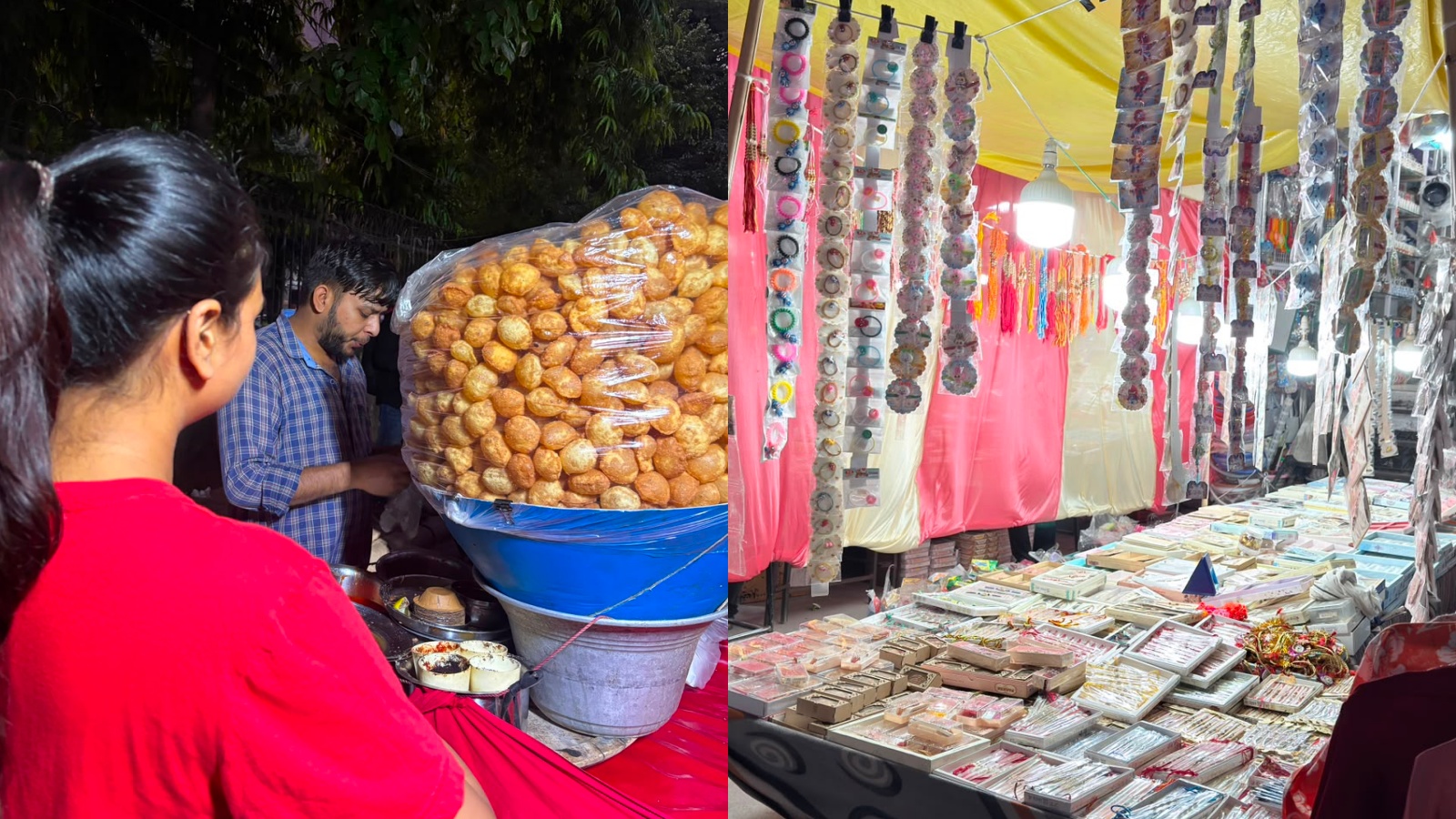
Despite the prevalence of instant delivery services like Blinkit and Swiggy Instamart, the author, a young professional living in Delhi, has developed a deep appreciation for the city's bustling weekly markets. She initially found them chaotic but now values the unique experience of bargaining, discovering seasonal produce, and engaging with vendors, which offers a refreshing contrast…
Imagine you can get anything delivered to your house super fast, like magic! But a grown-up named Shruti found that even though that's cool, she actually loves going to noisy, busy markets in Delhi. It's like a treasure hunt where you get to talk to the sellers, find new things every week, and even play a game to get a better price. It makes her feel happy because it's an adventure, not just a quick click on a phone.
Analysis
The article delves into the personal journey of a Gen Z individual, Shruti Kaushal, who, despite valuing modern convenience, has found profound satisfaction in the traditional weekly markets of Delhi. This narrative challenges the prevailing assumption that younger generations exclusively prefer digital, frictionless experiences. Kaushal's experience suggests a deeper human need for engagement, unpredictability, and social interaction that hyper-convenient services often cannot fulfill.
10-minute deliveries
The rise of 10-minute delivery platforms like Blinkit and Swiggy Instamart has fundamentally reshaped consumer expectations, particularly among younger demographics. These services promise unparalleled speed and ease, making grocery shopping an almost entirely passive activity. The author acknowledges their utility, admitting they have 'saved my day on several occasions.' However, she posits that this very efficiency can lead to a sterile, predictable experience, devoid of the sensory richness and human element that older shopping models offered. The article implicitly questions whether ultimate convenience always equates to ultimate satisfaction, suggesting a potential trade-off between efficiency and experiential value.
Delhi
Delhi's weekly markets are portrayed not just as places of commerce but as vibrant cultural hubs, embodying a unique blend of chaos and community. The author's initial perception of these markets as 'crowded, noisy, and unpredictable' gradually transforms into an appreciation for their dynamic nature. Unlike the organized aisles of supermarkets, these markets offer a constantly changing landscape of seasonal produce, fluctuating prices, and new vendors. This unpredictability, far from being a deterrent, becomes a source of 'dopamine hit' for Kaushal, providing a sense of discovery and participation that is absent in online shopping. The markets serve as a microcosm of Delhi's bustling life, where daily transactions are interwoven with social interactions and observations.
Bargaining
One of the most significant aspects of the weekly market experience highlighted by the author is the art of bargaining. Initially, her 'bargaining skills were practically non-existent,' but over time, she developed a 'reasonably sophisticated bargaining strategy.' This negotiation process, described as a 'strange little negotiation' that has 'nothing to do with formal economics but teaches you plenty about human behaviour,' is central to the market's appeal. It transforms a simple transaction into an interactive challenge, fostering a connection between buyer and seller. The ability to haggle, to walk away and be called back, adds a layer of personal agency and satisfaction that pre-printed prices in supermarkets or fixed online rates cannot replicate, making the shopping experience more engaging and rewarding.
Key points
- The author, a Gen Z, finds weekly markets in Delhi to be a 'dopamine hit' despite the convenience of 10-minute delivery apps.
- She initially found the markets chaotic but now appreciates their unpredictability, seasonal produce, and dynamic vendor interactions.
- Bargaining is a key element of the market experience, teaching about human behavior and adding a layer of personal engagement.
- Weekly markets offer a sensory-rich, interactive shopping experience that contrasts sharply with the frictionless nature of e-commerce.
- Vendors are seen as individuals with stories and opinions, contributing to the market's vibrant community atmosphere.
The article suggests that traditional weekly markets can continue to thrive by offering unique, engaging experiences that modern delivery services cannot replicate, fostering community connections and a sense of discovery for consumers. This resilience could preserve cultural heritage and provide sustainable livelihoods for local vendors.
Despite the author's positive experience, the broader trend of rapid urbanization and the increasing reliance on instant delivery services could still pose a significant threat to the long-term viability of traditional weekly markets, potentially leading to a decline in their numbers and the loss of unique cultural interactions.