In Central African Republic, who are the activists arrested after the 'dead city' day?
Five Central African civil society leaders were arrested in Bangui on October 15 after organizing a "dead city" protest against the high cost of living and fuel prices. The opposition views these arrests as an attack on the rule of law.
Intelligence analysis by Gemini 2.5 Flash
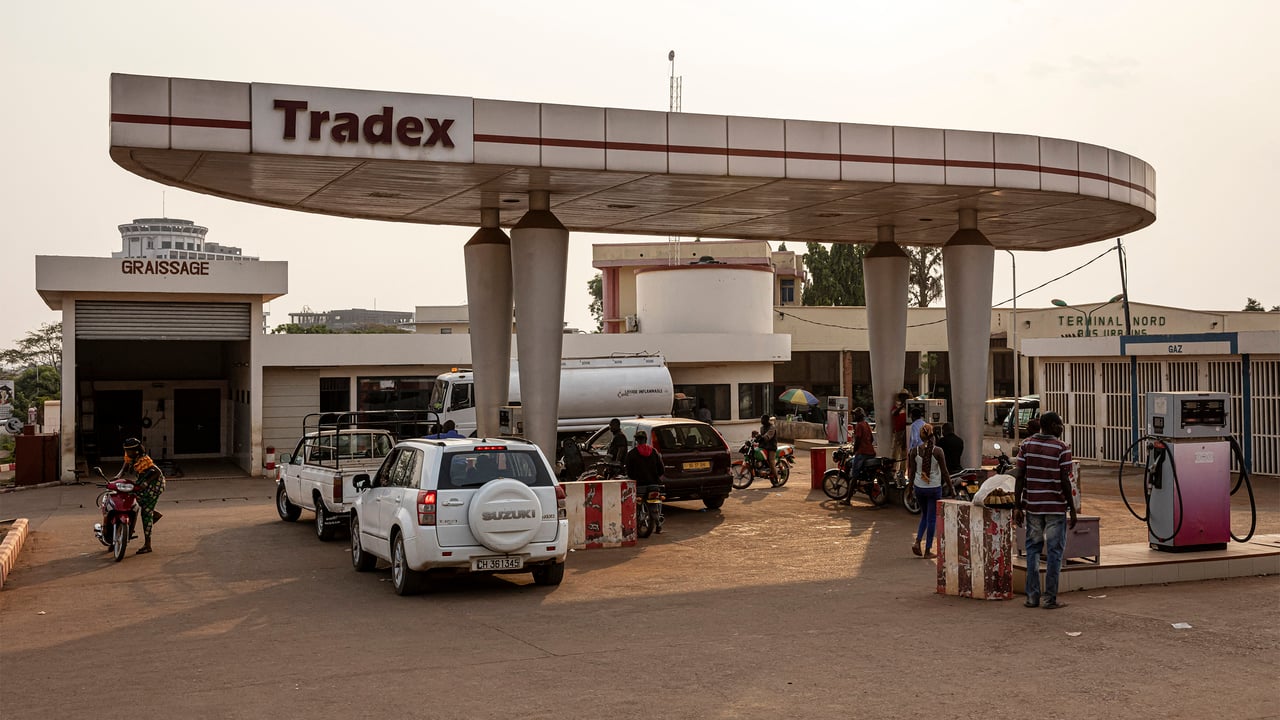
Central African police detained five civil society activists in Bangui following a "dead city" protest on October 12, which demanded lower fuel prices and addressed the high cost of living. The arrests, made as activists prepared to discuss the movement's next steps, are being criticized by the opposition as undermining the rule of law.
Imagine a group of grown-ups in a country called Central African Republic were upset because things like gas and food cost too much money. They decided to stay home from work and close their shops for a day to show they were unhappy. After this "stay-at-home" day, some of the people who organized it were arrested by the police, which made other people worry about fairness and freedom.
Analysis
The recent arrests of five civil society leaders in Bangui, Central African Republic, following a "dead city" protest on October 12, underscore a growing tension between the government and its citizens over economic grievances and the right to dissent. The protest, a significant mobilization against the government since 2023, was organized to challenge the high cost of living and escalating fuel prices, with activists specifically demanding a reduction in pump prices to below 1,000 CFA francs. This event highlights the increasing popular frustration with economic conditions and the government's perceived inability or unwillingness to address these concerns effectively. The swift police action against the organizers, who were reportedly preparing to discuss the movement's future steps, signals a restrictive approach to public expression and assembly.
October 12
The "dead city" day on October 12 marked a critical moment for civil society in the Central African Republic, demonstrating a capacity for organized public action against the government of Faustin-Archange Touadéra. This mobilization, the first of its kind since 2023, saw citizens in Bangui stay home and businesses close, effectively paralyzing parts of the capital. The primary demands centered on tangible economic relief, particularly a reduction in fuel prices, which directly impacts daily life and the cost of goods for ordinary citizens. The success of the protest in garnering participation, despite government efforts to limit its reach, indicates a deep-seated popular discontent that extends beyond isolated incidents.
Faustin-Archange Touadéra
President Faustin-Archange Touadéra's administration has been under increasing pressure to manage both internal dissent and external influences. The article alludes to "Touadéra's maneuvers to contain popular anger" and "the war of prerogatives around Faustin-Archange Touadéra," suggesting a government grappling with internal power struggles and a desire to maintain control. Furthermore, the mention of "Wagner and Africa Corps in Central African Republic: who makes up Touadéra's Russian insurance?" points to the significant role of foreign security partners in bolstering the president's position. This context suggests that the government's response to civil society protests is not merely about public order but also about consolidating power and managing perceptions, both domestically and internationally, especially given the reliance on external security apparatuses.
Five Arrests
The detention of five civil society leaders on October 15, under suspicion of "disturbing public order," has drawn sharp criticism from the opposition, who denounce it as an infringement on the rule of law. These arrests, occurring just as the activists were about to hold a press conference, appear to be a direct attempt to suppress further organization and communication from the protest movement. Such actions risk alienating a significant portion of the populace and could deepen the divide between the government and civil society. The implications extend to the broader democratic space in the Central African Republic, potentially chilling free speech and assembly, and raising concerns about the government's commitment to fundamental human rights and democratic principles. The international community will likely monitor these developments closely, as the treatment of civil society is often a barometer of a nation's democratic health.
Key points
- Five Central African civil society leaders were arrested on October 15 in Bangui.
- The arrests followed a "dead city" protest on October 12 against the high cost of living and rising fuel prices.
- Activists were preparing to hold a press conference when they were detained.
- The opposition condemns the arrests as an attack on the rule of law.
- The protest was the first significant mobilization against the government since 2023.
The public mobilization, despite government attempts to limit its scope, demonstrates a nascent civil society capable of organizing and expressing grievances. This could potentially lead to a constructive dialogue between the government and citizens on economic policies, fostering greater transparency and responsiveness to popular concerns.
The arrests of civil society leaders risk escalating tensions between the government and the populace, potentially stifling legitimate dissent and further eroding democratic space. This could lead to increased political instability and a more authoritarian crackdown on opposition movements, exacerbating the country's socio-economic challenges.