In Chad, former Central African rebel leader Abdoulaye Miskine sentenced to fifteen years in prison
Chadian justice has sentenced former Central African rebel leader Abdoulaye Miskine to fifteen years in prison for crimes including assassination, rape, and torture committed between 2002 and 2003.
Intelligence analysis by Gemini 2.5 Flash
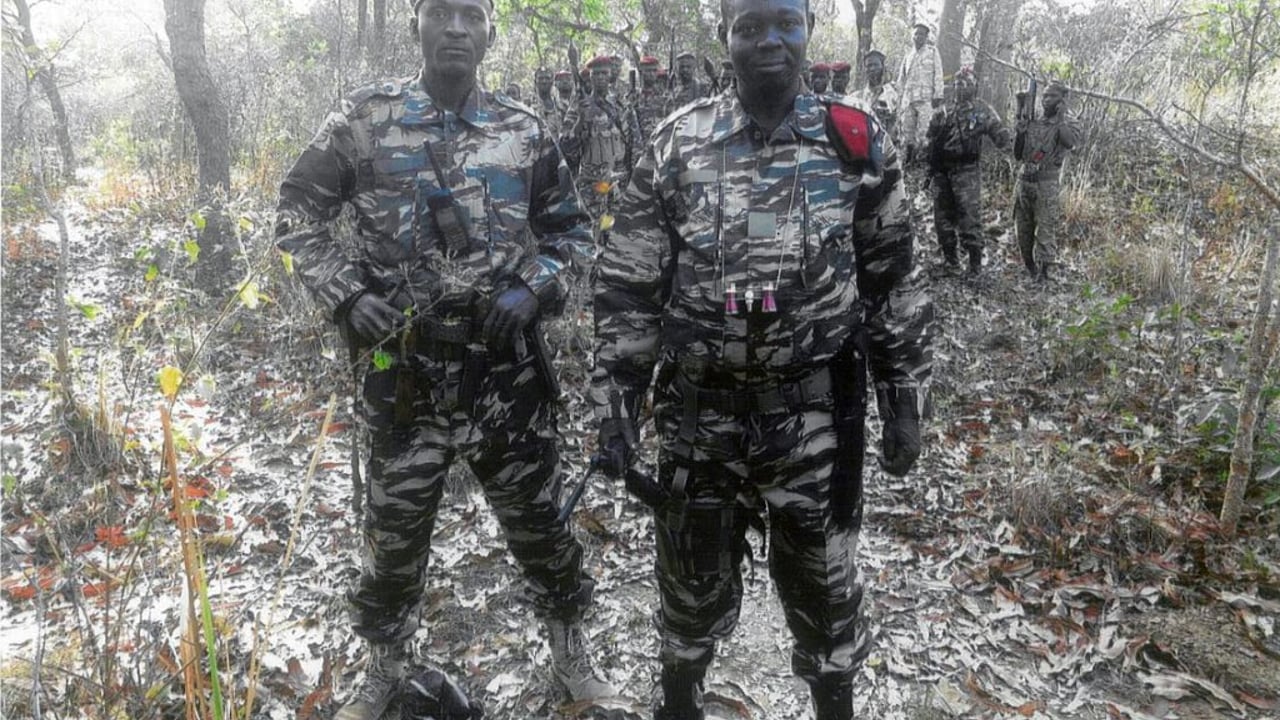
Abdoulaye Miskine, a self-proclaimed 'general' and historical figure in Central African rebellions, was convicted by a Chadian court along with three co-accused. The charges stem from atrocities committed in border areas, and despite an appeal from the Central African Republic for his extradition, Chad proceeded with its own trial and sentencing.
Imagine a school bully named Abdoulaye Miskine who caused a lot of trouble and hurt people in two neighboring playgrounds, Chad and the Central African Republic. Even though the Central African Republic wanted to deal with him, Chad caught him first. Now, a Chadian court has decided that Miskine must go to a special kind of 'time-out' for fifteen years because of the bad things he did, like hurting people and stealing. His friends also got ten years. His lawyers think it's unfair and want to ask a higher court to look at it again.
Analysis
The sentencing of Abdoulaye Miskine by a Chadian court marks a significant development in the pursuit of justice for crimes committed during the protracted conflicts in the Central African Republic and its border regions. Miskine, a prominent figure in various rebel movements, including the Democratic Front of the Central African People (FDPC), faced charges of assassination, rape, torture, and illegal detention. His conviction, alongside three co-accused, to fifteen years in prison, sends a clear message about the potential for accountability, even for high-profile rebel leaders operating across national borders.
Abdoulaye Miskine
Abdoulaye Miskine, whose real name is Martin Koumtamadji, has been a central figure in Central African rebellions since the first civil war in 2004. He founded the FDPC, a movement that played a role in the country's tumultuous political landscape. His involvement extended to joining the Séléka rebellion, which overthrew President François Bozizé in 2013, and later signing the Khartoum peace agreement in 2019. This agreement aimed to integrate various armed groups into the government, offering positions to signatories. Miskine's long history of armed struggle and political maneuvering makes his conviction particularly noteworthy, as it targets an individual deeply embedded in the region's conflict narrative.
Fifteen Years
The fifteen-year prison sentence handed down to Abdoulaye Miskine, along with a ten-year sentence for his three co-accused, reflects the gravity of the crimes for which they were convicted. The Chadian court found them responsible for acts committed between 2002 and 2003 in areas bordering Chad and the Central African Republic, including the creation of an insurrectional movement, assassination, rape, torture, and sequestration. Additionally, Miskine was ordered to pay 30 million CFA francs (approximately 45,000 euros) to each of the 29 civil parties representing victims' families. His lawyers have denounced the verdict as "unjust, heavy, and severe," indicating their intention to appeal to the Supreme Court, suggesting that the legal battle is far from over.
Khartoum Agreement
The context of Miskine's arrest in November 2019, following his signing of the Khartoum peace agreement earlier that year, adds another layer of complexity to this case. The agreement, signed in February 2019 between the Central African government and 14 armed groups, was a significant effort to bring stability to the country by offering political integration to former combatants. The Central African Republic had unsuccessfully sought Miskine's extradition to Bangui, highlighting a potential diplomatic friction point between the two nations. Chad's decision to prosecute Miskine domestically, rather than extradite him, underscores its sovereign right to address crimes committed within its jurisdiction or by individuals apprehended on its territory, even if those individuals are central to peace processes in neighboring states.
Key points
- Former Central African rebel leader Abdoulaye Miskine was sentenced to fifteen years in prison by a Chadian court.
- He was convicted for assassination, rape, torture, and sequestration committed between 2002 and 2003 in border areas.
- Three co-accused received ten-year prison sentences.
- Miskine was ordered to pay 30 million CFA francs to each of the 29 civil parties.
- His lawyers plan to appeal the verdict to the Supreme Court, calling it "unjust, heavy, and severe."
- The Central African Republic had previously sought Miskine's extradition, but Chad proceeded with its own trial.
The announced appeals by Abdoulaye Miskine's lawyers suggest a prolonged legal battle, potentially delaying final justice for victims and consuming further judicial resources. This ongoing dispute could also strain diplomatic relations between Chad and the Central African Republic, particularly given Bangui's prior, unsuccessful request for Miskine's extradition.