In DRC, the Constitutional Court validates the law paving the way for a 3rd term for Félix Tshisekedi
The DRC's Constitutional Court has validated a proposed law on constitutional referendums, potentially allowing President Félix Tshisekedi to seek a third term after his current one ends in 2028, despite current constitutional limits.
Intelligence analysis by Gemini 2.5 Flash
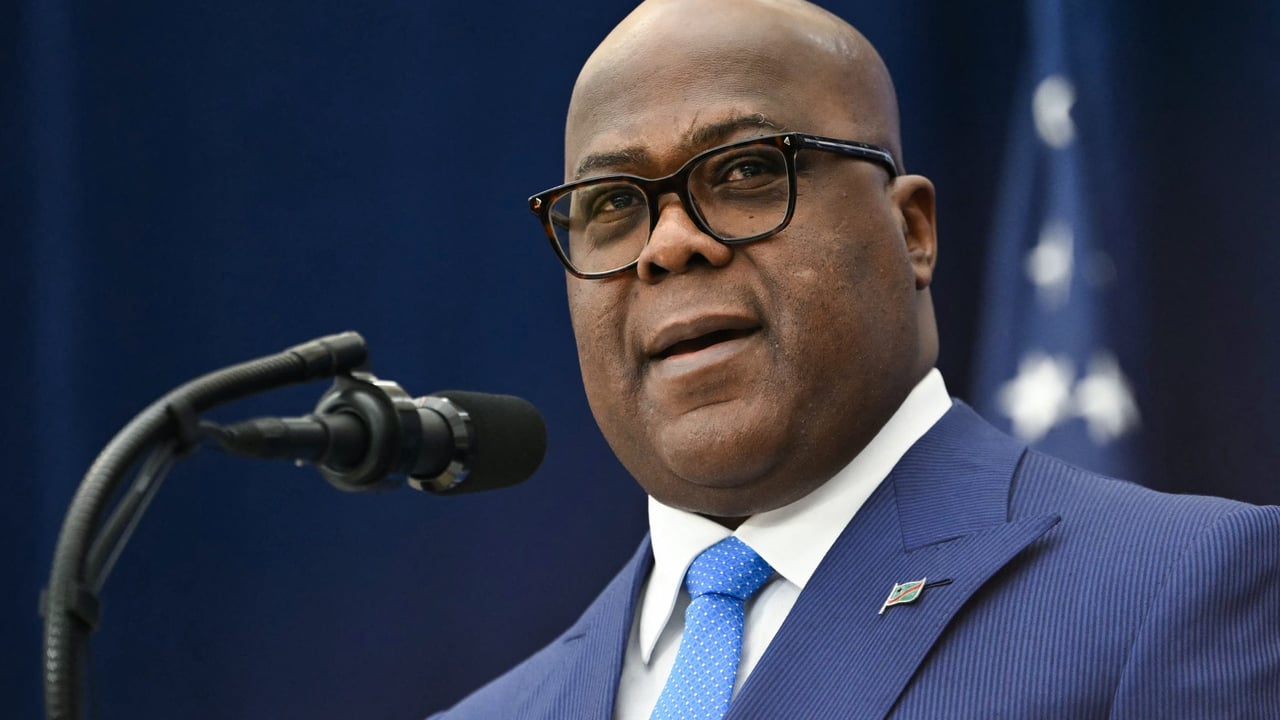
The Democratic Republic of Congo's Constitutional Court has approved a referendum law, opening a path for President Félix Tshisekedi to potentially run for a third term, a move currently prohibited by the constitution. This decision, made despite some reservations from the court, has intensified political tensions and opposition protests in a country already grappling with conflict an…
Imagine the rules for a game say you can only be the leader twice. The leader of Congo, Félix, is almost done with his second turn. Now, a special court has said it's okay to change the rules so he *could* play a third time, if the people vote for it. This makes some people happy, but others are upset because they think the rules shouldn't change.
Analysis
Judicial Green Light for a Potential Third Term
The Democratic Republic of Congo's Constitutional Court has given its approval to a proposed law concerning constitutional referendums, a decision that could significantly alter the nation's political future. This ruling, announced on national television by the court's president, Dieudonné Kamuleta Badibanga, deems the law "in conformity with the Constitution" despite the existing constitutional clause that explicitly prohibits any revision to the number or duration of presidential terms. This legal maneuver potentially paves the way for President Félix Tshisekedi, whose second term concludes at the end of 2028, to seek an unprecedented third mandate. The court's validation, however, was not absolute, as it expressed "reservations" regarding certain controversial articles within the proposed legislation.
Navigating Constitutional Limits and Political Opposition
The core of the controversy lies in the current Congolese Constitution, which is designed to prevent presidential term limit extensions. The validated law includes provisions that could allow the President to initiate constitutional changes through a constituent assembly and a referendum, particularly in instances of "major dysfunction" of state institutions. This mechanism raises concerns among critics who fear it could be exploited to circumvent established democratic safeguards. The opposition, significantly weakened after Tshisekedi's landslide victory in the 2023 presidential election, has vehemently opposed these legislative efforts, viewing them as an attempt to consolidate power. Their planned protests against constitutional changes were recently postponed following the government's announcement of a long-demanded national dialogue, though details on participation remain vague.
The Path Ahead: Referendum and Dialogue
While the Constitutional Court's validation is a crucial step, the proposed referendum law still requires promulgation by President Tshisekedi himself. His public statements have been carefully worded; he has denied actively seeking a third term but affirmed he would accept one "if the people wish." This stance places the onus on public sentiment and a potential referendum. The political climate remains charged, with past opposition rallies met with repression, including clashes and at least one reported death, condemned by the United Nations. The upcoming national dialogue, if it materializes with genuine inclusivity, presents a potential avenue for de-escalation and addressing the deep-seated political divisions, particularly concerning the conflict in the East and accusations of opposition complicity with armed groups like M23. The success of this dialogue will be critical in determining whether the DRC can navigate these constitutional and political challenges peacefully.
Key points
- DRC's Constitutional Court validated a law on constitutional referendums.
- This law could enable President Félix Tshisekedi to seek a third term after 2028.
- The current constitution prohibits revisions to presidential term limits.
- The court issued "reservations" on some controversial articles of the law.
- The opposition has protested against the proposed constitutional changes.
- A national dialogue has been announced, potentially to address political tensions.
The article mentions a proposed national dialogue, which, if genuinely inclusive and productive, could potentially de-escalate political tensions and foster a more unified approach to the DRC's challenges, such as the conflict in the East. A successful referendum, if perceived as legitimate by the populace, could also provide a clear mandate for future governance.
The validation of the referendum law, despite constitutional prohibitions on term limits, risks further polarizing the political environment and intensifying opposition protests, potentially leading to increased instability and violence. The court's "reservations" on certain articles also highlight potential legal ambiguities that could be exploited, undermining democratic principles and governance.

