In Guinea-Bissau, First Visit of Senegalese Mediation After ECOWAS Summit
A Senegalese delegation, led by Foreign Minister Cheikh Niang, visited Guinea-Bissau on August 6 to present a new ECOWAS-backed mediation plan. It aims to restore constitutional order and guide elections after the recent coup.
Intelligence analysis by Gemini 2.5 Flash
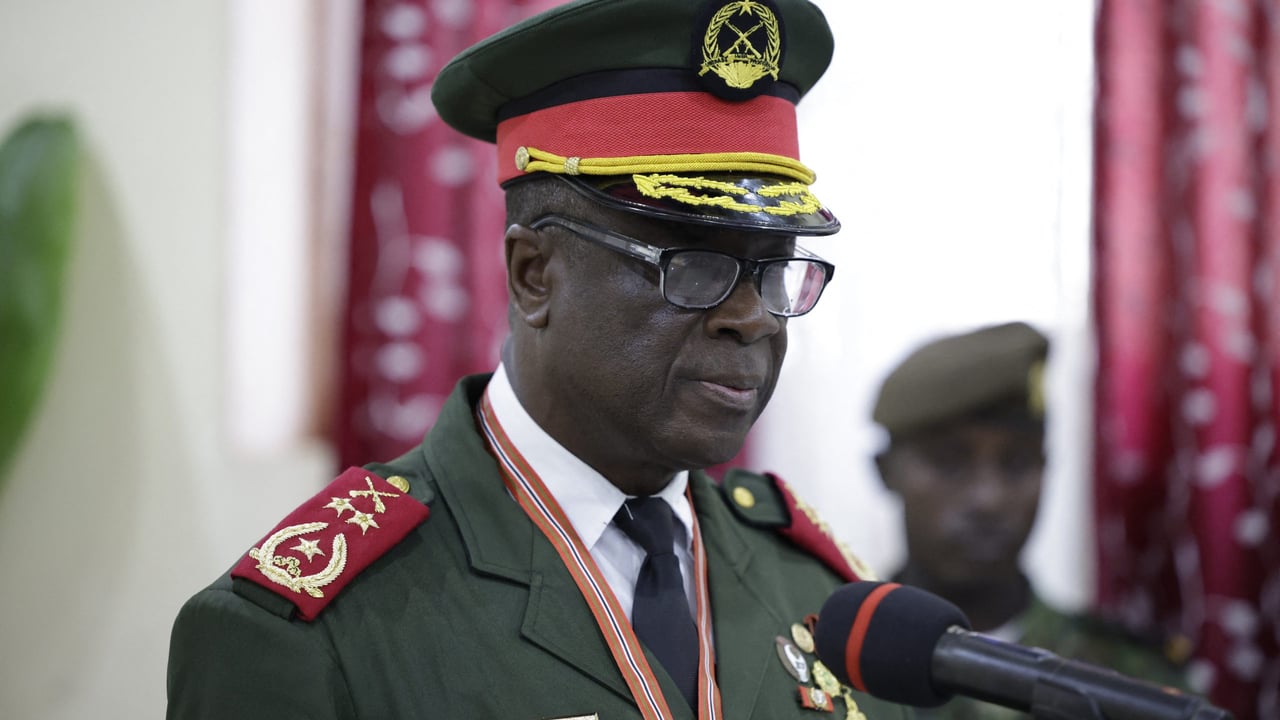
Guinea-Bissau is in political transition after a coup ousted President Umaro Sissoco Embaló. ECOWAS tasked Senegal with mediation. Its foreign and defense ministers visited Bissau to present a multi-phase plan to transitional leader General Horta N’Tam, aiming to restore constitutional order and elections.
Imagine two neighbors, Guinea-Bissau and Senegal. Guinea-Bissau had a big change in its leadership, like a sudden new boss. Their neighborhood club, ECOWAS, asked Senegal to help Guinea-Bissau sort things out and get back to having proper elections. Senegal's important grown-ups visited to share a plan to help.
Analysis
The article details the initial steps of Senegal's mediation efforts in Guinea-Bissau, following its designation by ECOWAS. This intervention is crucial for a nation plagued by chronic political instability, marked by numerous coups since its independence. The Senegalese delegation, led by Foreign Minister Cheikh Niang and accompanied by Defense Minister Yankoba Diémé, arrived in Bissau to present a new mediation plan to the transitional authorities. This plan is designed to unfold in multiple phases, aiming to guide Guinea-Bissau towards the restoration of constitutional order and the completion of its electoral process. The engagement of a regional power like Senegal, under the ECOWAS mandate, underscores the collective commitment to addressing governance crises within the West African bloc and preventing further destabilization. The discussions with General Horta N’Tam, the transitional president, were described as "fruitful," indicating a potentially constructive start to a complex diplomatic endeavor.
Senegalese Mediation
Senegal's role as the designated mediator by ECOWAS is a significant development in the ongoing political crisis in Guinea-Bissau. The delegation, spearheaded by Foreign Minister Cheikh Niang and including Defense Minister Yankoba Diémé, visited Bissau to formally introduce a comprehensive mediation plan. This initiative, born from the ECOWAS summit in Freetown, aims to facilitate dialogue and guide the country back to constitutional normalcy. The multi-phase approach outlined by Minister Niang suggests a structured and sustained effort to address the deep-seated issues contributing to Guinea-Bissau's political volatility.
The involvement of high-level Senegalese officials, particularly from both foreign affairs and defense ministries, highlights the multifaceted nature of the crisis, encompassing political, security, and governance dimensions. Their direct engagement with General Horta N’Tam, the transitional president, is a critical step in establishing trust and securing buy-in from the current authorities. The success of this mediation hinges on the ability of Senegal to navigate the intricate political landscape and foster genuine commitment from all stakeholders towards a peaceful and democratic resolution.
General Horta N’Tam
General Horta N’Tam assumed the leadership of Guinea-Bissau's transition following the coup that deposed President Umaro Sissoco Embaló on November 26, 2025. His administration has since suspended the electoral process and announced a one-year period of military control. A key initiative under his leadership is the planned referendum on constitutional reform, scheduled for August 30. This referendum is a pivotal element in the transitional roadmap, potentially reshaping the country's governance framework.
The general's engagement with the Senegalese mediation team is crucial for the legitimacy and effectiveness of the regional intervention. His willingness to discuss the mediation plan and describe the exchanges as "fruitful" suggests an openness to external guidance, which is vital for de-escalating tensions and paving the way for a return to civilian rule. However, the ultimate outcome will depend on the concrete steps taken by his transitional government to implement the agreed-upon phases of the mediation and ensure a fair and transparent electoral process.
November 26, 2025 Coup
The coup d'état on November 26, 2025, which ousted President Umaro Sissoco Embaló, plunged Guinea-Bissau into its latest political crisis. This event is part of a long and troubled history for the nation, which has endured four military coups and numerous insurrection attempts since gaining independence from Portugal in 1974. The military's swift takeover led to the suspension of the electoral process, further exacerbating the country's democratic deficit and raising concerns among regional and international partners.
The coup's aftermath necessitated the intervention of ECOWAS, which has consistently sought to uphold constitutional order in its member states. The designation of Senegal as mediator reflects the regional body's commitment to addressing such disruptions proactively. The challenge for the mediation is not only to restore the electoral calendar but also to tackle the underlying structural issues that make Guinea-Bissau susceptible to repeated military interventions, ensuring a more stable and democratic future.
Key points
- A Senegalese delegation visited Guinea-Bissau on August 6 to present a new mediation plan.
- Senegal was designated as the mediator by ECOWAS at its Freetown summit in July.
- The mediation aims to restore constitutional order and guide the electoral process after the November 26, 2025 coup.
- General Horta N’Tam, the transitional president, held "fruitful exchanges" with the Senegalese delegation.
- A referendum on constitutional reform is scheduled for August 30 under the transitional government.
If the Senegalese mediation proves successful, it could lead to a peaceful and timely restoration of constitutional order in Guinea-Bissau, culminating in free and fair elections. This would stabilize the country, prevent further military interventions, and reinforce ECOWAS's authority in promoting democratic governance across West Africa.
The mediation efforts could falter due to resistance from the transitional authorities or a failure to address the root causes of instability, potentially leading to prolonged military rule. This would deepen Guinea-Bissau's political crisis, further delay democratic processes, and undermine regional efforts to uphold constitutional principles.

