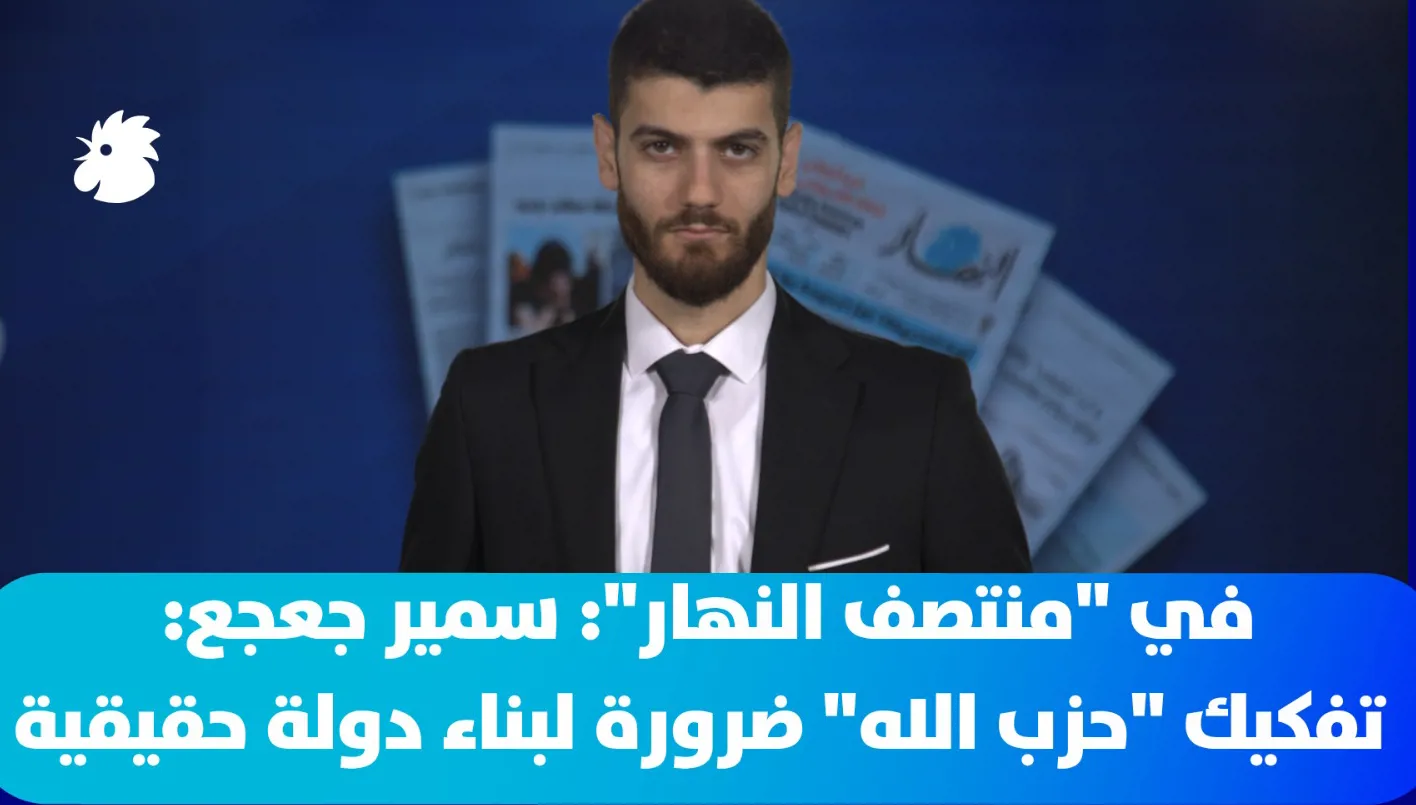
In 'Midday' - Samir Geagea: Dismantling Hezbollah is a necessity to build a real state in Lebanon
Samir Geagea, leader of the Lebanese Forces, asserted that dismantling Hezbollah is crucial for establishing a genuine state in Lebanon, distinguishing its situation from Yemen and Iraq.
Intelligence analysis by Gemini 2.5 Flash
The article highlights Samir Geagea's firm stance that Hezbollah's disarmament is fundamental for Lebanon's sovereignty and state-building, contrasting the Lebanese context with other regional conflicts. It also briefly notes the impact of October 7 on boosting Israel's military exports.
A grown-up named Samir thinks that for Lebanon to be a real country, a powerful group called Hezbollah needs to give up its weapons. He says Lebanon is different from other places like Yemen and Iraq. The article also mentions how a big event on October 7 helped Israel sell more weapons.
Analysis
Samir Geagea
Samir Geagea, a prominent figure in Lebanese politics and leader of the Lebanese Forces party, has unequivocally stated that the dismantling of Hezbollah is a fundamental prerequisite for the establishment of a genuine state in Lebanon. This assertion reflects a long-standing political divide within the country regarding the legitimacy and role of non-state armed actors. Geagea's stance positions him as a vocal opponent of Hezbollah's continued military presence, arguing that it undermines national sovereignty and prevents the state from exercising full authority over its territory and security apparatus. His comments are particularly significant given the ongoing political paralysis and economic crisis plaguing Lebanon, which many attribute, in part, to the deep-seated power struggles and external influences.
Hezbollah
The call for the dismantling of Hezbollah addresses one of the most contentious issues in Lebanese politics. Hezbollah operates as both a powerful political party with significant parliamentary representation and a heavily armed militia, often described as a "state within a state." Its military wing, supported by Iran, possesses an arsenal that rivals that of the Lebanese national army, and it has been involved in regional conflicts, notably in Syria and against Israel. Geagea's argument implies that the existence of such a parallel military force prevents Lebanon from functioning as a unified, sovereign entity, drawing a distinction between Lebanon's situation and that of countries like Yemen and Iraq, where different dynamics of armed groups and state authority are at play. The integration or disarmament of Hezbollah's military capabilities remains a central challenge to any efforts aimed at comprehensive state-building and national reconciliation in Lebanon.
October 7
The article briefly notes a connection between the events of October 7 and an increase in Israel's military exports. While the specific mechanisms or scale of this impact are not detailed within the provided text, the mention suggests a perceived or actual boost in demand for Israeli defense products and technologies following the widespread conflict and heightened security concerns in the region. This observation, though concise, points to the broader geopolitical ramifications of the conflict, extending beyond immediate military engagements to influence international defense markets and strategic alliances. The implication is that the security landscape reshaped by the October 7 events has created new opportunities or necessities for military trade for Israel.
Key points
- Samir Geagea advocates for dismantling Hezbollah to establish a true Lebanese state.
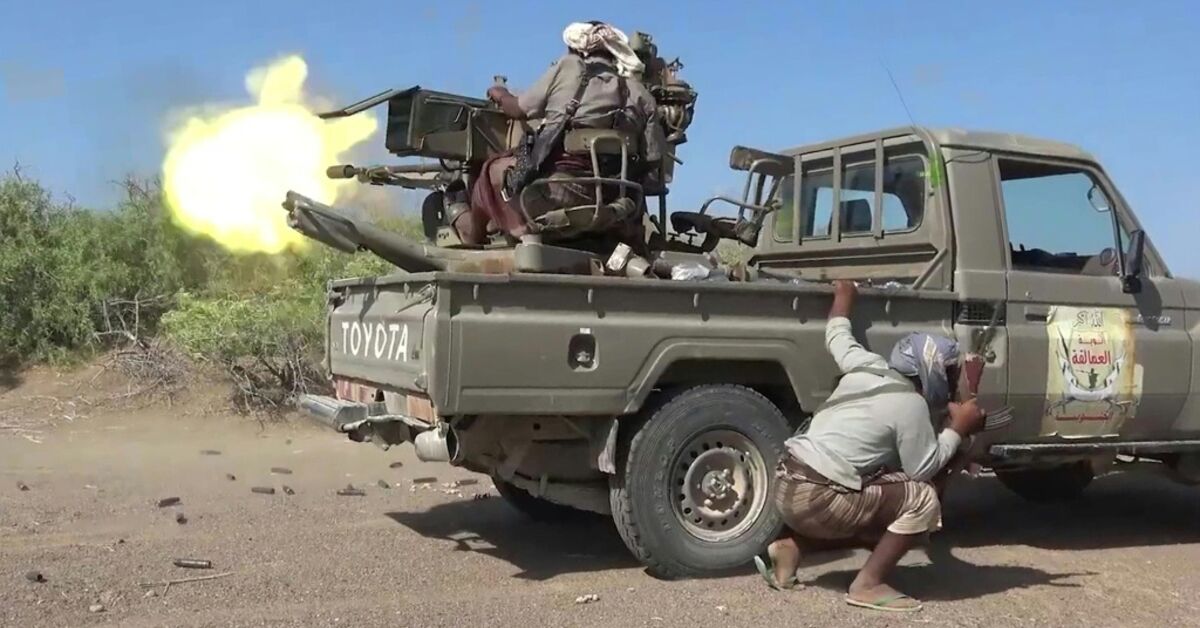
- Geagea distinguishes Lebanon's situation from that of Yemen and Iraq regarding Hezbollah's presence.
- The article briefly notes the impact of October 7 on boosting Israeli military exports.
If Geagea's vision were to materialize, leading to the dismantling of Hezbollah's military structure, Lebanon could potentially regain full state sovereignty and control over its borders and security decisions. This might pave the way for a more unified national government, reduced regional interference, and a focus on internal reforms and economic recovery, fostering greater stability.
The call to dismantle Hezbollah is highly contentious and could exacerbate internal political tensions and sectarian divisions within Lebanon. Such a move, if attempted without broad consensus, risks triggering significant instability, potential conflict, and further weakening the already fragile state institutions, potentially drawing Lebanon deeper into regional power struggles.