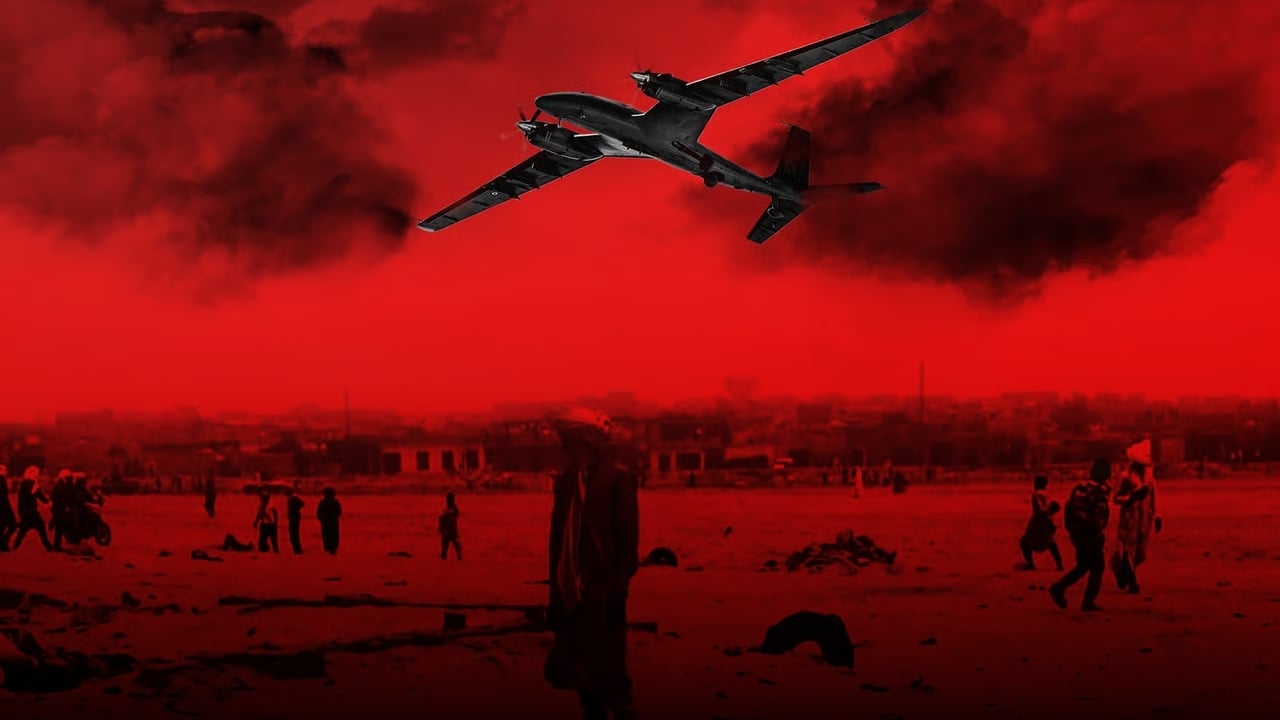
In the Sahel, Algeria returns to a game whose rules have changed
Algeria is considering a more significant military intervention in the Sahel, particularly in Niger, following a period of strained relations and a shift in its non-intervention doctrine. This comes after a recent military cooperation protocol signed with Niger's defense …
Intelligence analysis by Gemini 2.5 Flash
Algeria is reasserting its influence in the Sahel, signaling a potential shift from its long-standing non-intervention policy. This strategic pivot, marked by recent diplomatic and military engagements with Niger, occurs amidst a complex regional landscape with new actors and evolving dynamics, challenging Algeria's traditional role.
Imagine Algeria used to say, "We won't send our soldiers to other countries." But now, things in its neighborhood, called the Sahel, are changing a lot, like a new game with new rules. So, Algeria is thinking about sending its soldiers to help a neighbor, Niger, after its defense minister visited. It's like a big brother deciding to step in when his younger sibling is having trouble, even if he usually stays out of fights.
Analysis
The article highlights Algeria's potential shift from its long-standing non-intervention doctrine in the Sahel, particularly concerning Niger. This strategic pivot is underscored by recent diplomatic and military engagements, signaling a reassertion of Algerian influence in a region characterized by evolving dynamics and new actors. The context includes a period of strained relations followed by a spectacular rapprochement, suggesting a calculated move by Algiers to adapt to the changing geopolitical landscape. The urgent parliamentary meeting further emphasizes the gravity and immediacy of this potential policy change, which could have profound implications for regional stability and Algeria's role as a key player.
General Salifou Modi
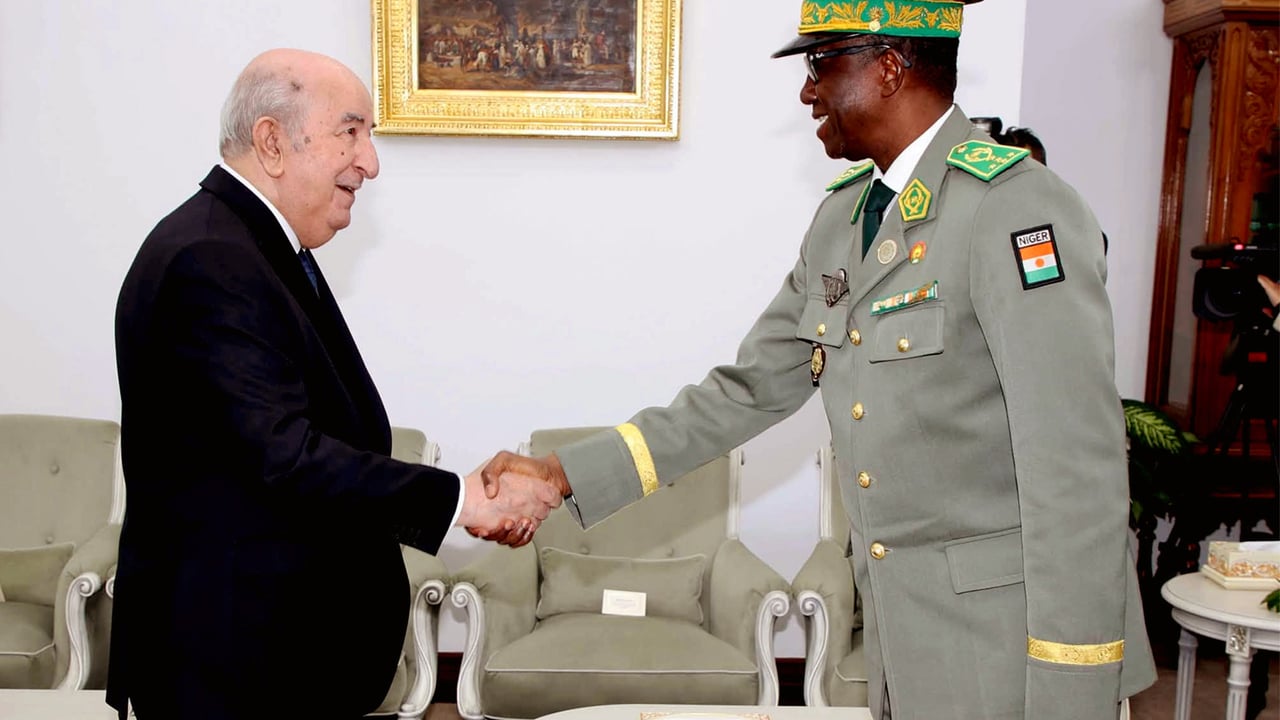
The visit of General Salifou Modi, Niger's Minister of Defense, to Algiers on October 21, 2026, marks a pivotal moment in Algeria's re-engagement with the Sahel. During his visit, General Modi was received by Saïd Chengriha, Algeria's Chief of Staff, and subsequently by President Abdelmadjid Tebboune, culminating in the signing of a military cooperation protocol. This high-level interaction signifies a clear intent from both nations to deepen security ties, potentially paving the way for direct Algerian military support or intervention in Niger. The protocol suggests a structured framework for future collaboration, moving beyond ad-hoc assistance.
This diplomatic overture is particularly noteworthy given the recent political instability in Niger, including a coup attempt. Algeria's willingness to engage at such a senior level, and to formalize military cooperation, indicates a strategic decision to support the current Nigerian regime and exert influence in its immediate southern neighborhood. The timing also suggests that Algeria views the stability of Niger as critical to its own security interests, especially in combating regional terrorism and managing migration flows. The visit underscores a shift from a more passive diplomatic stance to a proactive engagement.
August 30
The decision to send an air force to Niger on August 30, 2026, to assist in repressing a coup attempt, represents a significant precursor to Algeria's current considerations for broader military intervention. This action was a clear departure from Algeria's long-held doctrine of non-intervention, which historically prohibited the deployment of its troops outside national borders. The initial air support demonstrated a willingness to act decisively when its regional interests were perceived to be at stake, setting a precedent for more extensive involvement.
This earlier intervention signaled to regional and international observers that Algeria was prepared to adapt its foreign policy in response to the volatile Sahelian context. It highlighted a recognition within Algiers that the traditional rules of engagement in the region had changed, necessitating a more robust and direct approach to security challenges. The August 30 deployment can be seen as a test case, providing valuable experience and potentially informing the current discussions within the Algerian parliament regarding a more comprehensive military strategy. It underscores a gradual but firm evolution in Algeria's strategic thinking.
Mohammed VI
The article implicitly frames Algeria's renewed engagement in the Sahel within the context of its ongoing rivalry with Morocco, particularly concerning their respective diplomatic and security influences in the region. While Abdelmadjid Tebboune's diplomacy has historically focused on security and defense, Mohammed VI has pursued a more pragmatic and multi-sectoral approach, leading to a "war of influence" between the two North African powers. The perceived "end of Algerian influence" in the Sahel, as noted in an August 2025 analysis, benefited Morocco, suggesting Algeria's current moves are partly aimed at regaining lost ground.
Algeria's potential military intervention in Niger and its broader re-engagement can be interpreted as a direct response to Morocco's growing presence and diplomatic successes in the Sahel. By reasserting its military and political weight, Algiers aims to counter Rabat's influence and re-establish itself as a dominant regional security provider. This dynamic adds another layer of complexity to the Sahelian geopolitical landscape, transforming regional security efforts into a broader contest for strategic advantage between Algeria and Morocco. The competition between the two leaders' diplomatic styles and objectives continues to shape the future of the Sahel.
Key points
- Algeria is considering a more significant military intervention in the Sahel, departing from its traditional non-intervention doctrine.
- This shift follows a recent visit by Niger's Defense Minister, General Salifou Modi, to Algiers, where a military cooperation protocol was signed.
- The Algerian parliament has been urgently convened, fueling speculation about an impending decision on intervention in Niger.
- Algeria previously sent air support to Niger on August 30 to counter a coup attempt, marking an initial departure from its policy.
- The move occurs amidst a changing Sahelian context, with new actors and increased regional rivalries, particularly with Morocco.
If Algeria's renewed engagement in the Sahel is successful, it could bring much-needed stability to a volatile region, bolster counter-terrorism efforts, and foster stronger regional cooperation. A more active Algerian role might also help stabilize Niger's government and prevent further destabilization, potentially leading to a more secure environment for development.
A military intervention by Algeria could escalate regional conflicts, draw Algeria into protracted engagements, and potentially exacerbate existing tensions with other regional powers like Morocco. It might also be perceived as interference, leading to further instability or a backlash from local populations or other actors.