India eases rupee trade rules, provides exporters alternative to dollar settlements; what it means
The Indian government has revised parts of the Foreign Trade Policy to give exporters greater flexibility to invoice overseas transactions and receive export proceeds in Indian rupees. This move could help broaden the international use of the rupee and reduce currency-con…
Intelligence analysis by Llama
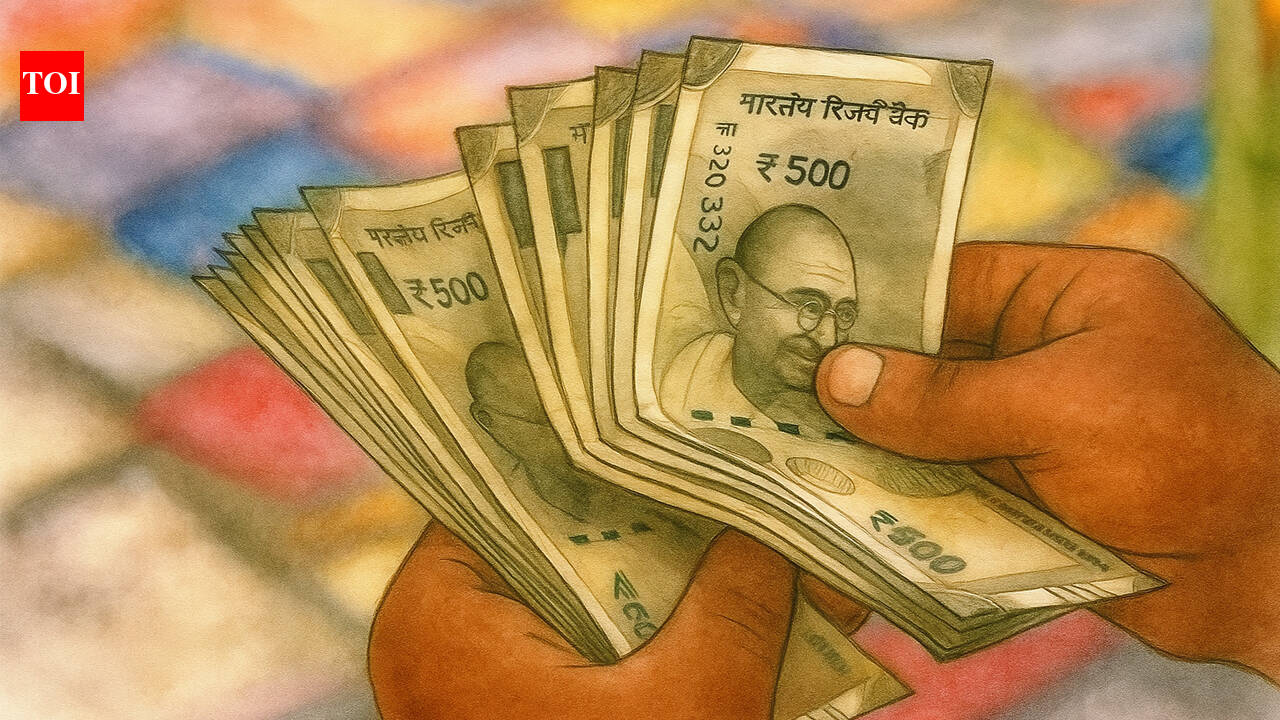
The Indian government has revised the Foreign Trade Policy to allow exporters to invoice overseas transactions in Indian rupees, reducing the need for the US dollar in international trade. This move could help broaden the international use of the rupee and reduce currency-conversion expenses for Indian exporters.
Imagine you're an Indian company that exports goods to other countries. You used to have to get paid in dollars, but now you can get paid in rupees too. This makes it easier for you to do business with other countries and can help reduce the cost of converting money. It's like having more options for how you get paid, which can be helpful for businesses.
Analysis
What's changed in the Foreign Trade Policy
The Indian government has revised parts of the Foreign Trade Policy to give exporters greater flexibility to invoice overseas transactions and receive export proceeds in Indian rupees. This move could help broaden the international use of the rupee and reduce currency-conversion expenses for Indian exporters.
How it works
Under the revised provisions, exporters can now denominate their contracts and invoices either in Indian rupees or in any foreign currency for countries outside the Asian Clearing Union (ACU). For countries within the ACU, export contracts must use a currency specified by the ACU, but transactions can also follow directions issued by the Reserve Bank of India.
What it means for exporters
The change means eligible rupee payments for exports to countries other than Nepal and Bhutan will now qualify for Foreign Trade Policy benefits and can also be counted towards meeting export obligations. Rupee proceeds received through authorised banking channels will consequently receive the same treatment as export payments made in foreign currency.
International use of the rupee
The move could also help broaden the international use of the rupee by allowing Indian exporters and foreign buyers to settle transactions without necessarily relying on the US dollar or another freely convertible currency. However, regulatory permission alone will not create large-scale rupee trade, and foreign buyers must be able to obtain rupees easily, while overseas banks need practical options to use, invest, convert or repatriate their balances.
Supporting mechanisms needed
India would now need country-specific settlement arrangements, easier banking processes, affordable hedging facilities, rupee-based export credit, and ECGC protection to make rupee invoicing a widely adopted method of conducting international trade.
Key points
- The Indian government has revised parts of the Foreign Trade Policy to give exporters greater flexibility to invoice overseas transactions and receive export proceeds in Indian rupees.
- This move could help broaden the international use of the rupee and reduce currency-conversion expenses for Indian exporters.
- Exporters can now denominate their contracts and invoices either in Indian rupees or in any foreign currency for countries outside the Asian Clearing Union (ACU).
- For countries within the ACU, export contracts must use a currency specified by the ACU, but transactions can also follow directions issued by the Reserve Bank of India.
- Eligible rupee payments for exports to countries other than Nepal and Bhutan will now qualify for Foreign Trade Policy benefits and can also be counted towards meeting export obligations.
If this development plays out positively, it could lead to increased trade between India and other countries, reduced currency-conversion expenses for Indian exporters, and a broader international use of the rupee. This could also lead to increased economic growth and job creation in India.
However, there are also potential risks associated with this development. For example, if the international use of the rupee does not increase as expected, it could lead to a decrease in the value of the rupee, making it more expensive for Indian exporters to do business with other countries. Additionally, if the supporting mechanisms needed to make rupee invoicing a widely adopted method of conducting international trade are not put in place, it could lead to a decrease in trade between India and other countries.