“India Is Watching Closely”: What Could Be the Effects of Banning the Jammu Kashmir Joint Awami Action Committee in Pakistan-Administered Kashmir?
Pakistan-administered Kashmir has banned the Joint Awami Action Committee and placed 31 leaders under anti-terror rules amid rising unrest.
Intelligence analysis by GPT-5.4 Mini
The government in Pakistan-administered Kashmir has outlawed the Joint Awami Action Committee, saying it threatens peace and security. The move comes after clashes, deaths and injuries in Rawalakot, while the group rejects the ban and says it remains peaceful.
A group that organizes protests in Kashmir has been banned by the government after violent clashes. It is like a school club being shut down because adults think its meetings could turn into trouble, while the club says it only wants peaceful talk.
Analysis
What happened
The government of Pakistan-administered Kashmir has banned the Jammu Kashmir Joint Awami Action Committee and added 31 core committee members and other senior figures to Schedule One of the region’s Anti-Terrorism Act 2014. Officials said they had “reasonable grounds” to believe the group was involved in terrorism and posed a threat to public peace and security.
The decision came against the backdrop of serious unrest in Rawalakot, where clashes between protesters and law enforcement reportedly left four police officers dead, including one sub-inspector, and more than 50 people injured. Tensions had already risen after a Saturday crackdown that led to the death of a committee member during an alleged clash with security forces.
Why the government says it acted
A government notification issued on June 5 said the situation was worsening, with hate speech and a growing sense of insecurity among the public. A spokesperson for the prime minister defended the move, saying the authorities had received “indisputable evidence” and had no other option. He also said the security agencies had information that the group was planning violent protests on June 9.
Officials argued that the timing mattered because the election schedule has already been announced, the Supreme Court has given an opinion on the issue of the 12 seats reserved for refugees living in Pakistan, and the next assembly election is due on July 27.
What the ban could change
Under the anti-terror law, support for a banned group can bring criminal penalties, including for fundraising, holding meetings, or speaking publicly or on social media in ways that seek support for the organization. The committee is not registered as an organization with any institution in Pakistan-administered Kashmir; its affairs are run through its core committee.
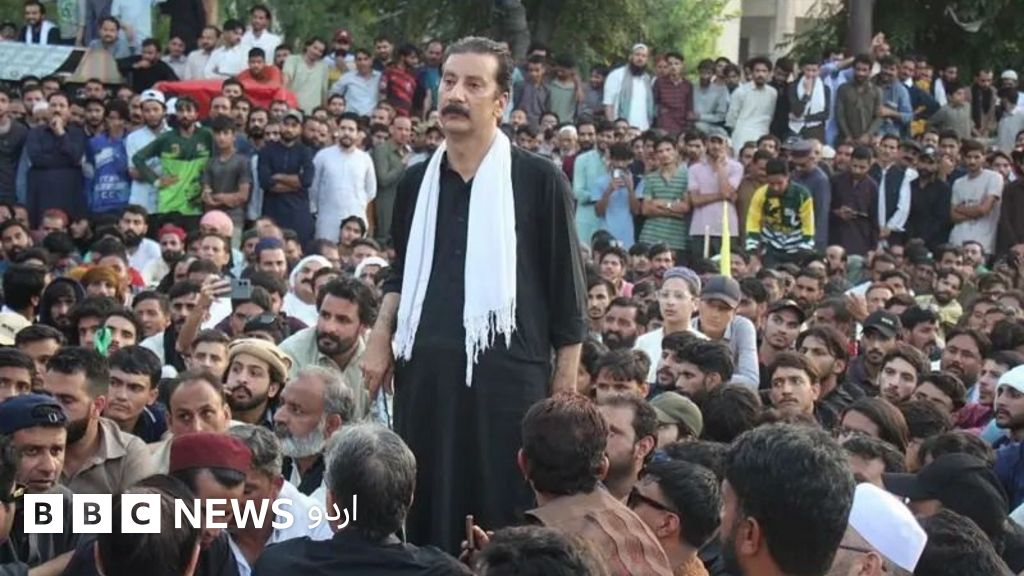
The committee strongly condemned the ban, calling it a sign of government panic. Its core member Shaukat Nawaz Mir said the group had been peaceful before and remains peaceful now.
Key points
- Pakistan-administered Kashmir has banned the Joint Awami Action Committee and placed its leaders under anti-terror restrictions.
- The move followed deadly clashes in Rawalakot, including reported police deaths and dozens of injuries.
- Government officials say they had strong evidence that violent protests were being planned.
- The committee rejects the allegations and says it has remained peaceful.
- The ban could restrict fundraising, meetings and public advocacy linked to the group.
If the government’s claim is correct and the ban reduces the risk of violence, it could help calm the streets and protect civilians, police and businesses. Officials also say they still want talks, so the move could push both sides toward negotiations instead of confrontation.
If the ban is seen as unfair or heavy-handed, it could deepen anger and make protests harder to control. The restrictions may also intensify political tensions ahead of the upcoming election, especially if the committee’s supporters feel they have been denied a peaceful outlet.