India joins China, US in commercial space race with Skyroot launch
India's first privately developed orbital rocket, Vikram-1, successfully launched on Saturday, carrying customer payloads and in-orbit experiments. This milestone makes India the third country to achieve orbital launch capability through private enterprise, after the US a…
Intelligence analysis by Llama
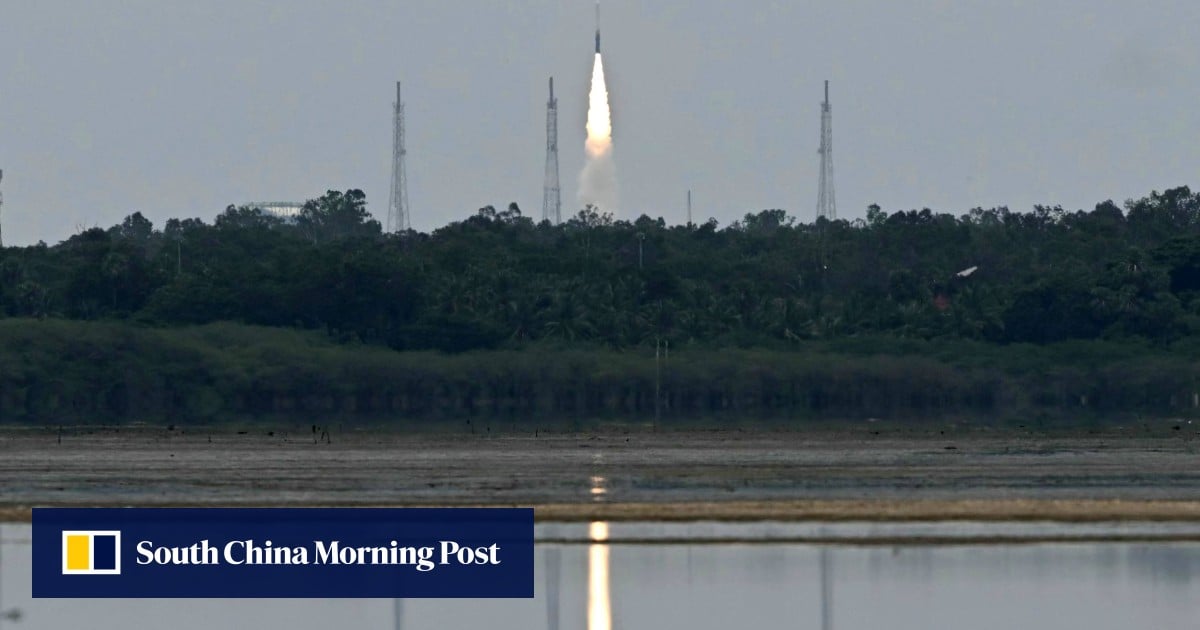
India's commercial space industry has achieved a significant milestone with the successful launch of Skyroot Aerospace's Vikram-1 rocket. The launch injects India into the global commercial space race, alongside the US and China. However, analysts say Skyroot must now demonstrate regular, cheap, and reliable launches to win customers in a crowded market.
Imagine you're launching a rocket into space, and it successfully reaches orbit on its first try. That's what happened with India's Vikram-1 rocket, which carried customer payloads and in-orbit experiments. This is a big deal because it shows that India can develop and launch its own rockets, which could help the country's space industry grow and create new jobs.
Analysis
A $60B Vote of Confidence
The successful launch of Skyroot Aerospace's Vikram-1 rocket marks a significant milestone in India's commercial space industry. With this achievement, India joins the US and China as the third country to achieve orbital launch capability through private enterprise. The launch injects India into the global commercial space race, where companies like SpaceX and Blue Origin are already established players. However, analysts say Skyroot must now demonstrate regular, cheap, and reliable launches to win customers in a crowded market.
Why Cursor?
India's commercial space industry has been growing rapidly in recent years, with the government aiming to grow the sector from $8.4 billion to $44 billion by 2033. The successful launch of Vikram-1 demonstrates India's capabilities in private space development and its potential to compete with global players. However, the industry still faces significant challenges, including the need for regular and reliable launches, as well as the development of a robust regulatory framework.
The Road Ahead
The successful launch of Vikram-1 is a significant step forward for India's commercial space industry. However, the industry still has a long way to go before it can compete with global players. Skyroot must now demonstrate its ability to launch regularly, cheaply, and reliably, and the government must provide a supportive regulatory framework to enable the industry to grow. If successful, India's commercial space industry could become a significant player in the global market, creating new opportunities for businesses and entrepreneurs.
Key points
- India's commercial space industry has achieved a significant milestone with the successful launch of Skyroot Aerospace's Vikram-1 rocket.
- The launch injects India into the global commercial space race, alongside the US and China.
- Skyroot must now demonstrate regular, cheap, and reliable launches to win customers in a crowded market.
- India's commercial space industry aims to grow from $8.4 billion to $44 billion by 2033.
- The successful launch of Vikram-1 demonstrates India's capabilities in private space development and its potential to compete with global players.
If Skyroot can demonstrate regular, cheap, and reliable launches, it could become a major player in the global commercial space industry. This could create new opportunities for businesses and entrepreneurs in India, and help the country's space economy grow.
However, Skyroot still faces significant challenges, including the need for regular and reliable launches, as well as the development of a robust regulatory framework. If the company fails to meet these challenges, it could struggle to compete with global players and may not be able to achieve its growth targets.
Market signals
- Gold Escalation drives safe-haven demand for gold, per the article's framing of investor reaction.
AI-generated analysis of potential market relevance. Not financial advice.