India moves to give its instant payments network a business model
India is taking steps to reshape the business model behind its Unified Payments Interface (UPI), a widely used payments network built by the government, via new legislation that could pave the way for merchants to pay charges on some UPI transactions.
Intelligence analysis by Llama
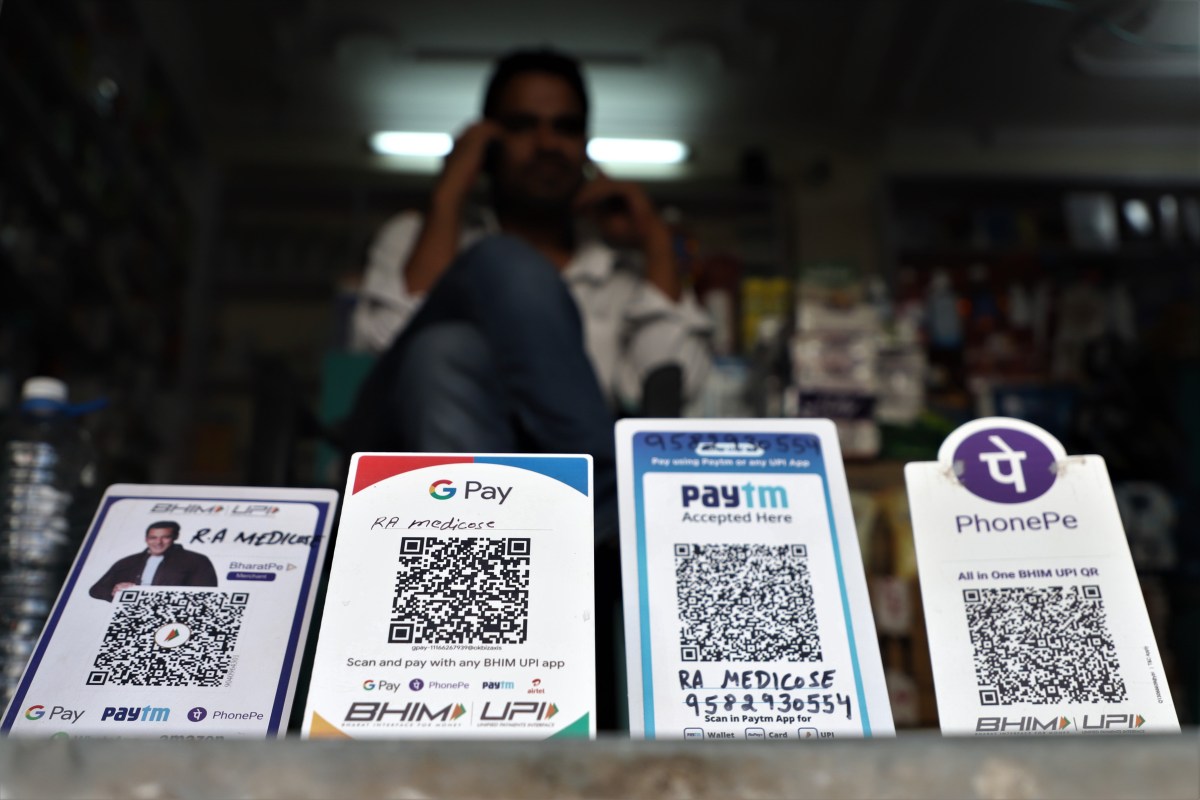
India is changing the business model behind its Unified Payments Interface (UPI) to allow merchants to pay fees on some transactions, which could generate a new revenue stream for the payments industry.
Imagine you're at a store, and you want to pay for something using your phone. India's UPI system lets you do that easily. Now, the government is changing the rules so that the store can pay a small fee for using this system. This could help the system grow and become even more useful for people.
Analysis
A $60B Vote of Confidence
The Indian government's decision to introduce a business model for its Unified Payments Interface (UPI) is a significant vote of confidence in the country's digital payments ecosystem. With over 23 billion transactions worth $313 billion processed in July alone, UPI has become an integral part of India's financial infrastructure. The new legislation aims to introduce merchant fees on some UPI transactions, which could generate a new revenue stream for the payments industry.
Why Cursor?
The proposal to introduce merchant fees on UPI transactions has been a long time coming. Banks and fintech firms have argued that the policy of keeping merchant payments free has become harder to sustain as transaction volumes and infrastructure costs climbed. The industry has been pushing for a more sustainable business model, and the government's decision to introduce merchant fees is a step in that direction.
The Road Ahead
The legislation does not itself impose merchant fees or specify which transactions would be affected, leaving those details to be specified later. However, market analysts believe that introducing merchant charges on higher-value UPI transactions could generate an additional $525 million to $1.05 billion in annual revenue by fiscal 2028. The impact of this development will be closely watched by countries where UPI is now live, including Singapore, the United Arab Emirates, and France.
Key points
- India is introducing a business model for its Unified Payments Interface (UPI) to allow merchants to pay fees on some transactions.
- The new legislation aims to generate a new revenue stream for the payments industry.
- Market analysts believe that introducing merchant charges on higher-value UPI transactions could generate an additional $525 million to $1.05 billion in annual revenue by fiscal 2028.
- The impact of this development will be closely watched by countries where UPI is now live, including Singapore, the United Arab Emirates, and France.
If the new business model for UPI is successful, it could lead to increased investment in the payments industry, making it more sustainable and efficient. This could also lead to the expansion of UPI to other countries, making it a global standard for digital payments.
However, the introduction of merchant fees on UPI transactions could also lead to increased costs for consumers, particularly those who make frequent or high-value transactions. This could negatively impact the adoption and usage of UPI, particularly among low-income households.


.jpg)