India Orders GitHub to Take Down Jack Dorsey's Bitchat Amid Protests
India's cybercrime agency ordered GitHub to remove Jack Dorsey's decentralized messaging app, Bitchat, citing concerns it could impede lawful surveillance and be misused during public disorder.
Intelligence analysis by Gemini 2.5 Flash
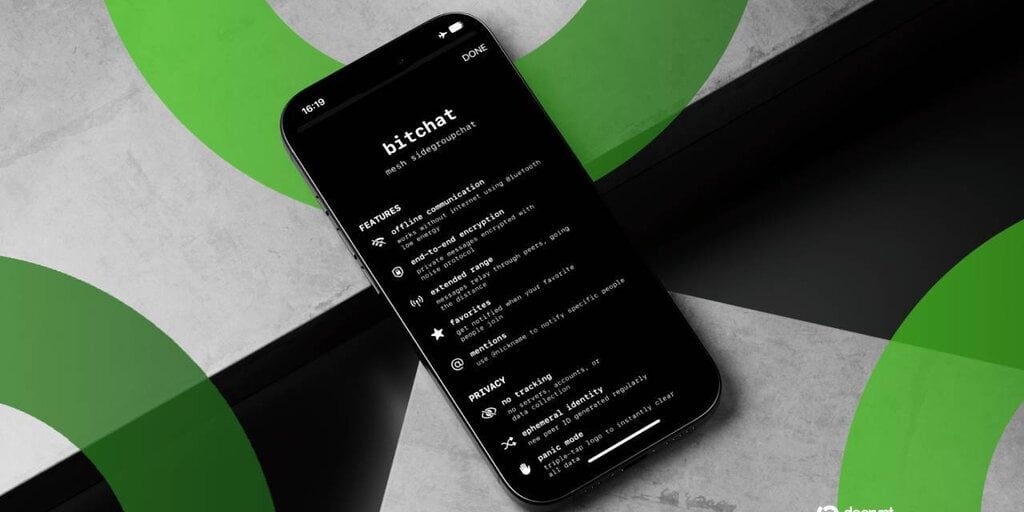
The Indian Cyber Crime Coordination Centre (I4C) invoked the IT Act and 2021 IT Rules to demand the takedown of Bitchat's code repositories from GitHub within three hours. The agency expressed fears that the Bluetooth-based, serverless app could be exploited during protests, riots, or internet shutdowns, hindering government monitoring efforts.
Imagine a secret walkie-talkie app that works using Bluetooth, so it doesn't need the internet or big company servers. That's kind of like Bitchat, made by Jack Dorsey. The government in India told the website where the app's instructions (code) were kept to take them down. They were worried that people might use this app to talk during protests or when the internet is turned off, making it hard for the government to know what's happening.
Analysis
India's Surveillance Concerns and Legal Basis
The Indian Cyber Crime Coordination Centre (I4C) issued a directive to GitHub, demanding the removal of three code repositories associated with Bitchat, a decentralized messaging application developed by Jack Dorsey. The order, which mandated compliance within a mere three hours, was grounded in India's IT Act and the more recent 2021 IT Rules. The primary justification provided by the I4C was that Bitchat's design inherently "impedes lawful surveillance" and could be exploited in scenarios such as "public disorder, riots, terrorism," or during government-imposed internet shutdowns. This move underscores a broader trend of governments seeking to assert control over digital communication channels, particularly those designed to circumvent traditional monitoring.
Bitchat's Decentralized Design and Purpose
Bitchat is characterized as a Bluetooth-based, serverless messaging application. Its decentralized architecture is precisely what makes it a point of contention for authorities. Unlike conventional messaging platforms that rely on centralized servers, Bitchat's peer-to-peer nature, utilizing Bluetooth for communication, makes it significantly more challenging for external entities, including government agencies, to intercept or monitor communications. This design is often lauded by privacy advocates and proponents of free speech as a crucial tool for secure communication, especially in regions where internet access is restricted or surveillance is prevalent. Jack Dorsey, a prominent figure in the crypto and decentralized tech space, has been a vocal advocate for such technologies.
Implications for Digital Rights and Open Source
The Indian government's order to GitHub, a platform widely used for open-source code hosting, has sparked considerable debate regarding digital rights and the principles of open internet. Jack Dorsey himself publicized the takedown notice, drawing attention to the issue. Digital-rights organizations, such as the Internet Freedom Foundation, have swiftly condemned the action, labeling it "unconstitutional and authoritarian." This incident sets a concerning precedent for developers and users of decentralized applications globally, suggesting that governments may increasingly target the underlying code of privacy-enhancing technologies. It highlights the ongoing struggle between state control and individual freedoms in the digital realm, particularly as decentralized and serverless technologies gain traction as tools for resistance against censorship and surveillance.
Key points
- India's I4C ordered GitHub to remove Jack Dorsey's Bitchat code repositories.
- The order cited concerns that Bitchat impedes lawful surveillance and could be misused during public disorder or internet shutdowns.
- Bitchat is a Bluetooth-based, serverless, decentralized messaging application.
- The directive was issued under India's IT Act and 2021 IT Rules, with a three-hour compliance window.
- Digital-rights groups, like the Internet Freedom Foundation, have criticized the takedown as unconstitutional.
This government order sets a concerning precedent for censorship and control over decentralized technologies, potentially leading to further restrictions on open-source projects and digital freedoms globally. It could embolden other nations to target privacy-enhancing applications, limiting their availability and hindering innovation in the Web3 space.