India student protests keep up pressure on Modi government
Crowds of supporters of India's online 'cockroach' movement grew on Wednesday at a New Delhi protest site, with their campaign for accountability and reform following examination scandals getting a boost inside parliament from opposition lawmakers.
Intelligence analysis by Llama
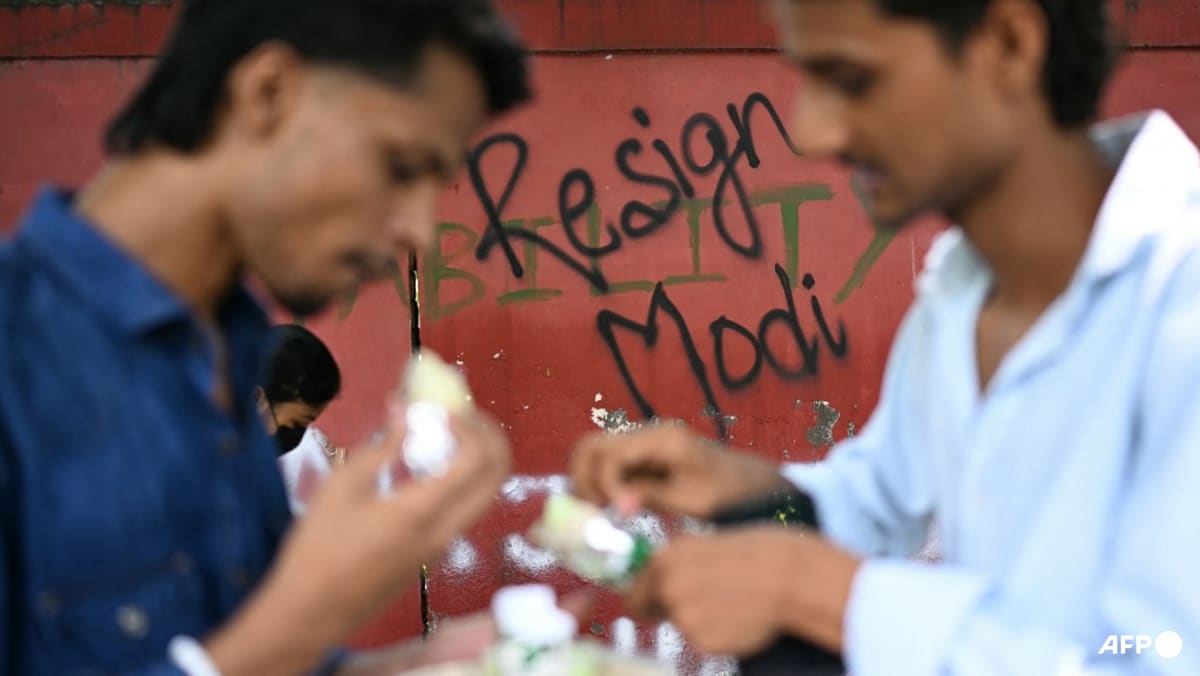
The protests, led by the social media-driven Cockroach Janta Party (CJP) movement, have emerged as one of the biggest challenges to Prime Minister Narendra Modi's government since his re-election in 2024. The protesters, demanding the resignation of Education Minister Dharmendra Pradhan, have refused to leave the Jantar Mantar site in the heart of the Indian capital.
Imagine a big group of students in India who are very upset about how the government is handling their exams. They're protesting in the streets, demanding that the government do a better job. The government is trying to stop them, but the students won't give up. This is a big deal because it shows that the students are not afraid to speak up and demand change.
Analysis
A $60B Vote of Confidence
The protests, led by the social media-driven Cockroach Janta Party (CJP) movement, have emerged as one of the biggest challenges to Prime Minister Narendra Modi's government since his re-election in 2024. The protesters, demanding the resignation of Education Minister Dharmendra Pradhan, have refused to leave the Jantar Mantar site in the heart of the Indian capital.
The movement has broadened its agenda to include concerns over unemployment, opportunities for young people, and what it describes as Modi's increasingly authoritarian style of governance. On Monday, police fired tear gas and baton-charged demonstrators as they tried to march to parliament on the opening day of the monsoon session. As tensions escalated, protesters responded by hurling stones, marking the capital's largest street rally in five years.
Rights groups have accused police of using excessive force. 'The Delhi Police's actions raise serious questions about whether their response met the requirements of legality, necessity, and proportionality under international human rights standards,' Amnesty International said in a statement.
Why Cursor?
The protests have significant implications for India's education system and the government's handling of examination scandals. The movement's demands for accountability and reform have gained momentum, with opposition parties throwing their weight behind the protesters.
Rahul Gandhi, a senior leader of the Congress party, is asking the government to apologise for the police crackdown on tens of thousands of protesters on Monday. Gandhi, 56, who was briefly detained on Tuesday, appeared in parliament on Wednesday dressed in black, demanding accountability from the government.
The Road Ahead
The CJP movement, which has millions of followers on social media, emerged in May initially as a satirical response to Chief Justice Surya Kant reportedly likening young people to 'cockroaches' and 'parasites' during a court hearing, sparking outrage. The movement has broadened its agenda to include concerns over unemployment, opportunities for young people, and what it describes as Modi's increasingly authoritarian style of governance.
Key points
- The protests, led by the social media-driven Cockroach Janta Party (CJP) movement, have emerged as one of the biggest challenges to Prime Minister Narendra Modi's government since his re-election in 2024.
- The protesters, demanding the resignation of Education Minister Dharmendra Pradhan, have refused to leave the Jantar Mantar site in the heart of the Indian capital.
- The movement has broadened its agenda to include concerns over unemployment, opportunities for young people, and what it describes as Modi's increasingly authoritarian style of governance.
If the protests continue to gain momentum, it's possible that the government will be forced to listen to the students' demands and make some changes to the education system. This could lead to a more accountable and transparent government, which would be a positive outcome for the country.
However, the government may try to crack down on the protests and silence the students. This could lead to further violence and unrest, which would be a negative outcome for the country.