India's CJP protests: Why tech alone won't stop exam paper leaks
India's National Eligibility cum Entrance Test (NEET) medical entrance exam has been marred by question paper leaks, leading to protests and student deaths. The government has proposed moving the exam online to improve security, but experts warn that technology alone cann…
Intelligence analysis by Llama
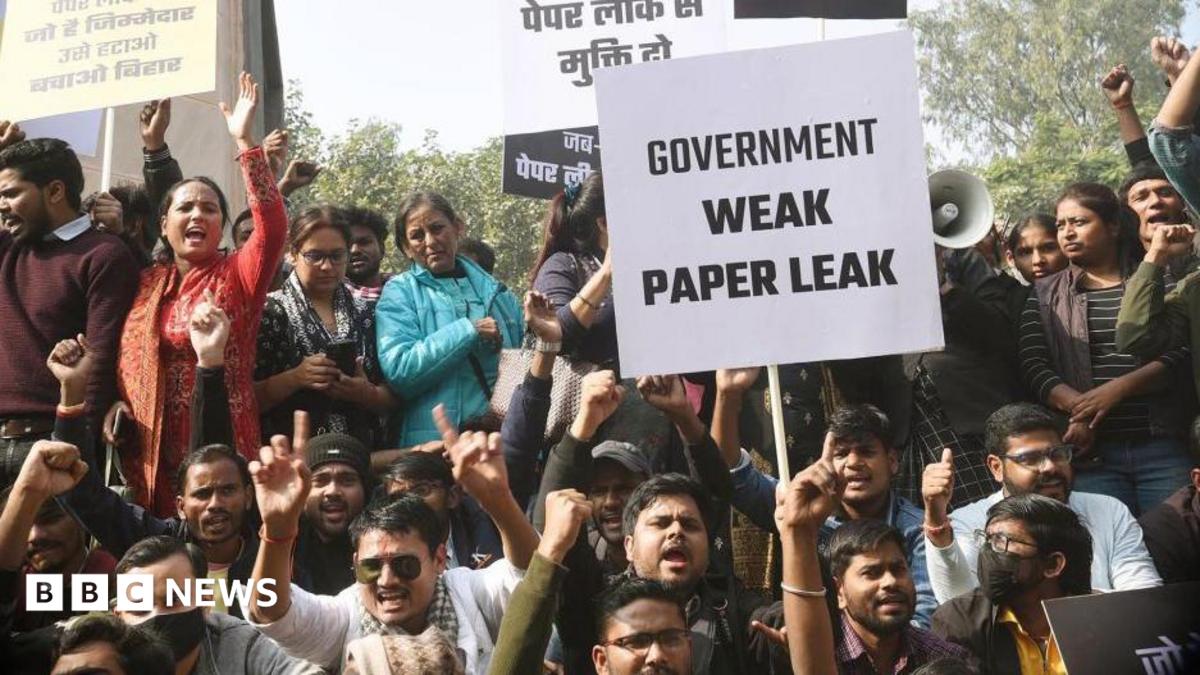
The Indian government has proposed moving the NEET medical entrance exam online to improve security, but experts warn that technology alone cannot eliminate the risk of leaks. The exam has been marred by question paper leaks, leading to protests and student deaths.
Imagine you're taking a big test, and someone leaks the questions before you even get to the exam room. That's what's been happening in India with a super important medical entrance exam. The government wants to move the test online to make it more secure, but experts say that's not enough. They need to make sure the people setting the questions and watching the test are trustworthy too.
Analysis
A $60B Vote of Confidence
The Indian government's proposal to move the NEET medical entrance exam online is a significant development in the country's efforts to improve the security of its entrance examinations. The exam, which is one of the most competitive in the world, has been marred by question paper leaks in the past, leading to protests and student deaths. The government's proposal to move the exam online is aimed at reducing the risk of leaks and improving the overall security of the examination process.
Why Cursor?
But experts warn that technology alone cannot eliminate the risk of leaks. The NEET exam is a complex exercise that requires the involvement of multiple stakeholders, including subject experts, translators, reviewers, and moderators. The exam is conducted in 13 languages, including English, making it one of the world's largest multilingual entrance examinations. The need to print, transport, and store millions of question papers creates a significant vulnerability in the examination process.
The Road Ahead
The government's proposal to move the NEET exam online is a significant step towards improving the security of the examination process. However, experts warn that technology alone cannot eliminate the risk of leaks. The NEET exam is a complex exercise that requires the involvement of multiple stakeholders, and the need to print, transport, and store millions of question papers creates a significant vulnerability in the examination process. To improve the security of the examination process, the government needs to address the human factor and ensure that the question setters and invigilators are trusted and reliable.
Key points
- The Indian government has proposed moving the NEET medical entrance exam online to improve security
- Experts warn that technology alone cannot eliminate the risk of leaks
- The NEET exam is a complex exercise that requires the involvement of multiple stakeholders
- The need to print, transport, and store millions of question papers creates a significant vulnerability in the examination process
- The government needs to address the human factor and ensure that the question setters and invigilators are trusted and reliable
If the government can implement a secure online testing system and ensure that the question setters and invigilators are trusted and reliable, it could significantly reduce the risk of leaks and improve the overall security of the examination process. This could lead to a more fair and transparent testing process, which would be a positive development for Indian students seeking admission to medical colleges.
However, the government's proposal to move the NEET exam online is not without its challenges. The need to expand testing capacity or conduct the exam over multiple sessions could be a significant logistical hurdle. Additionally, the human factor remains a significant vulnerability in the examination process, and the government needs to address this issue to ensure the security of the exam.