India’s student protests exposed deeper anxieties over education and jobs as AI reshapes work
Indian students worry universities are not keeping pace with a fast-changing job market, where employers increasingly value practical skills, adaptability and AI literacy. Students are taking greater responsibility for their own futures, whether that means going outside t…
Intelligence analysis by Llama
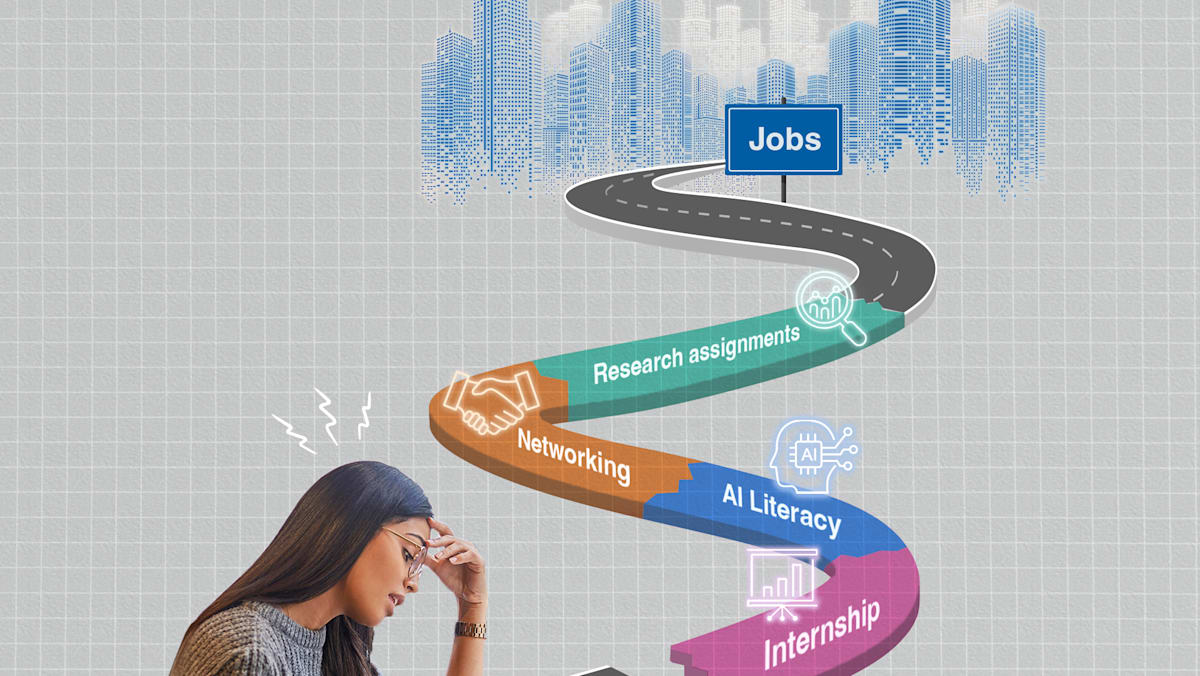
Indian students are protesting against the country's education system, citing long-simmering frustrations over youth unemployment, rising living costs and declining confidence in India's higher education system. As AI reshapes the world of work, universities are under pressure to better prepare students for a changing labour market.
Imagine you're a student in India, and you're worried that the education system isn't preparing you for the jobs you want. You might feel like you need to learn more about AI and how to work with it, but your school isn't teaching you that. That's what's happening in India right now, with students protesting against the education system and demanding changes.
Analysis
India's Education System Under Pressure
India's education system is facing intense scrutiny following a series of student protests over the past few months. The protests, which began in February, were sparked by a paper leak involving the National Eligibility cum Entrance Test (NEET), India's largest medical entrance exam. However, the protests quickly escalated into a broader movement, with students demanding reforms to the education system.
At the heart of the protests are long-simmering frustrations over youth unemployment, rising living costs, and declining confidence in India's higher education system. As AI reshapes the world of work, universities are under pressure to better prepare students for a changing labour market. However, even as they produce graduates, India is not creating enough quality jobs to absorb them.
According to government employment data for 2025, the unemployment rate among Indians aged 15 to 29, who were participating in the labour force, stood at 9.9 per cent. This is a significant concern, as it suggests that many young Indians are struggling to find employment.
The protests have also highlighted the need for universities to better prepare students for the changing job market. Employers are increasingly valuing practical skills, adaptability, and AI literacy, but many universities are failing to provide students with these skills.
The Role of AI in Shaping the Job Market
AI is having a profound impact on the job market, with many jobs being automated and new ones being created. However, the pace of change is rapid, and many universities are struggling to keep up. As a result, students are being left unprepared for the changing job market.
The Need for Reform
The protests have highlighted the need for reform in India's education system. Universities need to better prepare students for the changing job market, and the government needs to create more quality jobs to absorb the growing number of graduates. Only by working together can we ensure that India's education system is equipped to meet the challenges of the 21st century.
Conclusion
The protests in India are a wake-up call for the education system. Universities need to better prepare students for the changing job market, and the government needs to create more quality jobs to absorb the growing number of graduates. Only by working together can we ensure that India's education system is equipped to meet the challenges of the 21st century.
Key points
- Indian students are protesting against the country's education system, citing long-simmering frustrations over youth unemployment, rising living costs, and declining confidence in India's higher education system.
- As AI reshapes the world of work, universities are under pressure to better prepare students for a changing labour market.
- The protests have highlighted the need for reform in India's education system, with a focus on providing students with practical skills, adaptability, and AI literacy.
If the education system in India is reformed to better prepare students for the changing job market, it could lead to a more skilled and adaptable workforce. This could, in turn, drive economic growth and create more quality jobs for young Indians.
If the education system in India fails to adapt to the changing job market, it could lead to a significant skills gap. This could result in many young Indians being unprepared for the jobs they want, leading to high levels of unemployment and social unrest.