Initial US-Iran agreement leaves many key issues to be negotiated
The US and Iran have reached a preliminary agreement, but many key issues remain to be negotiated. The deal includes a ceasefire and a commitment from Iran to downblend its stockpile of highly enriched uranium.
Intelligence analysis by Llama 3.3 70B
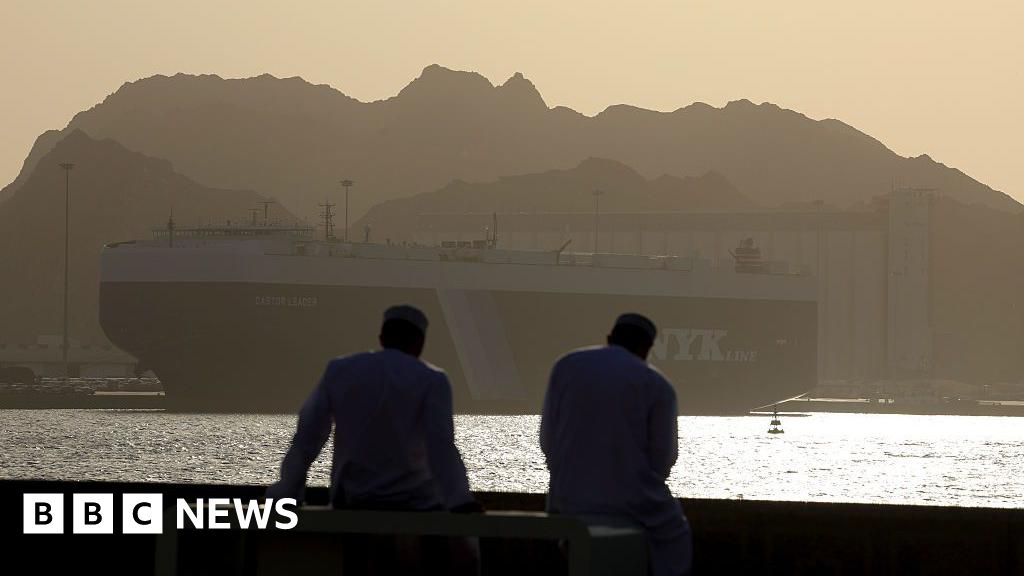
The US-Iran agreement is a significant step towards a potential peace deal, but it leaves many important issues unresolved, including Iran's nuclear program and its support for proxy groups in the region.
The US and Iran have agreed to stop fighting for now, but they still have a lot of work to do to make a lasting peace. It's like a big puzzle, and they need to figure out how to put all the pieces together.
Analysis
A Fragile Ceasefire
The US-Iran agreement marks a significant shift in the conflict between the two countries, with a ceasefire and a commitment from Iran to downblend its stockpile of highly enriched uranium. However, the deal is only a starting point, and many key issues remain to be negotiated. The US has insisted that Iran must never develop nuclear weapons, but the text of the agreement falls short of that goal.
The agreement has been framed as a major win for the US by President Donald Trump, but the details released by US officials suggest that both countries still have a long way to go to reach a comprehensive final peace agreement. The deal includes a 60-day deadline for negotiations, but this is open to extension if necessary.
The Road to a Comprehensive Agreement
The path to a comprehensive agreement will be challenging, with many technical details still to be ironed out. The US has said that it will not provide any money to Iran, but the text of the agreement suggests that the US may eventually make some payments to Iran as part of a negotiated settlement. This could be a major political problem for Trump and his administration, who have campaigned on a promise not to start new "forever wars".
The agreement also does not address Iran's missile program in detail, another issue that Trump and Israeli Prime Minister Benjamin Netanyahu said was a priority at the start of the war. The cessation of hostilities under this initial agreement extends to Hezbollah, but it is unclear if Iran will be pressured to drop its support for the group and other regional proxies in the next round of talks.
The Prospects for a Lasting Peace
The success of the agreement is far from certain, and both countries may not be deeply optimistic about the prospects of a lasting peace. Trump himself sounded noncommittal about the prospects of a lasting peace with Iran, saying that if the deal doesn't get done in 60 days, the US will go back to bombing. The text of the agreement gives both sides a 60-day deadline, but notes that this is open to extension if necessary.
Key points
- The US and Iran have reached a preliminary agreement
- The deal includes a ceasefire and a commitment from Iran to downblend its stockpile of highly enriched uranium
- Many key issues remain to be negotiated, including Iran's nuclear program and its support for proxy groups in the region
If the agreement is successful, it could lead to a significant reduction in tensions in the Middle East and a decrease in the risk of conflict. It could also pave the way for increased economic cooperation and trade between the US and Iran.
However, the agreement is fragile and could easily fall apart. If the negotiations fail, it could lead to a resurgence of violence and a worsening of the conflict. The US and Iran may also struggle to agree on key issues, such as Iran's nuclear program and its support for proxy groups in the region.