International oil firms halt production in Iraq’s Kurdistan amid US-Iran escalation
International oil companies operating in Iraq's Kurdistan Region have paused production due to escalating violence between Iran and the United States. The decision follows the deaths of two US service members in an Iranian attack on Jordan.
Intelligence analysis by Llama
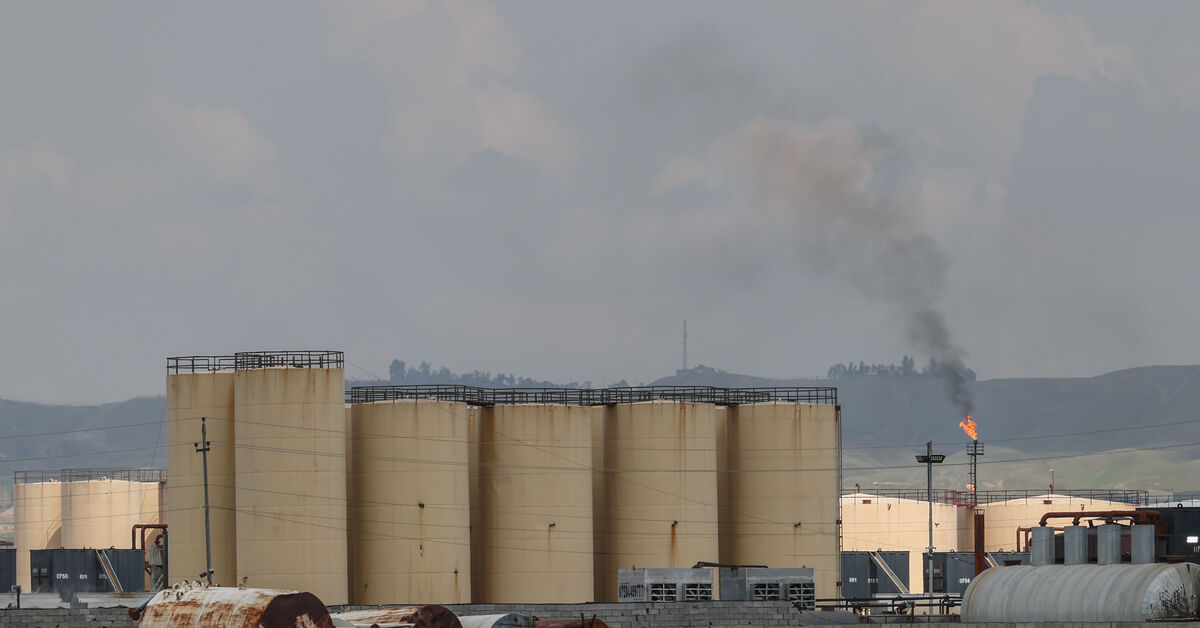
International oil companies in Iraq's Kurdistan Region have halted production due to the escalating US-Iran conflict. The move comes after two US service members were killed in an Iranian attack on Jordan.
Imagine you're playing a game where you have to make a decision about whether to keep playing or stop. The oil companies in Iraq's Kurdistan Region are like players in this game. They have to decide whether to keep producing oil or stop due to the escalating US-Iran conflict. The conflict is like a big storm that's making it hard for them to play the game. They're choosing to stop playing, or in this case, stop producing oil, because it's not safe.
Analysis
A $60B Vote of Confidence
The decision by international oil companies to pause production in Iraq's Kurdistan Region is a significant development in the ongoing US-Iran conflict. The move follows the deaths of two US service members in an Iranian attack on Jordan, which has escalated tensions between the two nations. The halt in production is a vote of confidence in the US-Iran conflict, as it highlights the risks and uncertainties associated with operating in the region. The decision is also a reflection of the growing concerns about the security of oil fields in the region, which have been targeted by Iran and its allied Shiite militias in the past.
Why Cursor?
The decision to pause production is a result of the escalating violence between Iran and the United States. The US has been increasing its military presence in the region, and Iran has been responding with its own military actions. The situation has become increasingly volatile, and the oil companies have decided to err on the side of caution. The decision is also a reflection of the growing concerns about the security of oil fields in the region, which have been targeted by Iran and its allied Shiite militias in the past.
The Road Ahead
The halt in production is likely to have significant implications for the global energy market. The region is a major producer of oil, and any disruption to production can have far-reaching consequences. The decision is also likely to have an impact on the US-Iran conflict, as it highlights the risks and uncertainties associated with operating in the region. The situation is likely to remain volatile in the coming days and weeks, and the oil companies will need to carefully consider their next steps.
Key points
- International oil companies in Iraq's Kurdistan Region have paused production due to the escalating US-Iran conflict.
- The decision follows the deaths of two US service members in an Iranian attack on Jordan.
- The halt in production is a vote of confidence in the US-Iran conflict, highlighting the risks and uncertainties associated with operating in the region.
- The decision is also a reflection of the growing concerns about the security of oil fields in the region, which have been targeted by Iran and its allied Shiite militias in the past.
If the US and Iran can find a way to de-escalate the conflict, the oil companies may be able to resume production in the region. This could lead to a decrease in oil prices and a boost to the global economy.
If the conflict between the US and Iran continues to escalate, the oil companies may be forced to keep production halted for an extended period. This could lead to a shortage of oil and a significant increase in prices.