IOC chief praises Asian Games’ much-maligned accomodation facilities
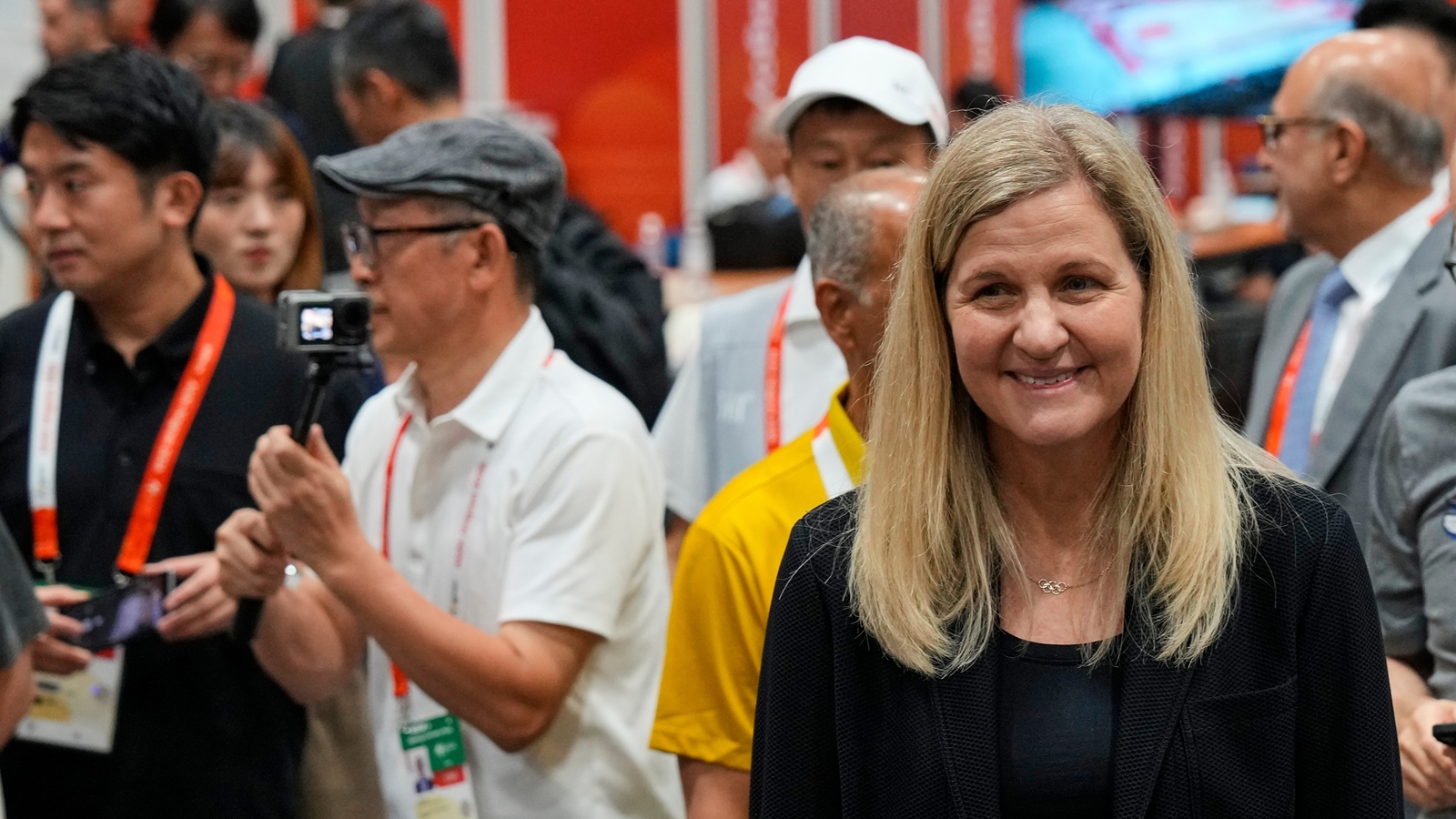
International Olympic Committee President Kirsty Coventry has praised the accommodation facilities at the 2026 Asian Games, despite earlier complaints from athletes and coaches regarding cramped conditions and long waits.
Intelligence analysis by Gemini 2.5 Flash
The buildup to the 2026 Asian Games was marked by significant organizational issues, particularly concerning athlete and coach accommodation, which drew widespread criticism. However, IOC President Kirsty Coventry, a former Olympic swimmer, inspected the facilities and declared them better than many athletes' villages she had experienced, offering a strong endorsement that counters th…
Imagine a big sports party called the Asian Games, where lots of athletes from different countries come to compete. Before the party, some people were grumbling that the bedrooms for the athletes were too small or took too long to get. But then, a very important lady named Kirsty Coventry, who used to be an Olympic swimmer herself, came to check them out. She said, "Actually, these rooms are really good! Even better than some places I've stayed in!" So, even though people worried, it seems the rooms are comfy and cool, like a nice, quiet treehouse.
Analysis
The 2026 Asian Games faced considerable scrutiny regarding its accommodation arrangements, with numerous reports detailing issues such as prolonged waiting times for rooms and undersized living quarters. These complaints created a negative perception of the event's readiness and the comfort level for the thousands of athletes and officials expected to attend. The initial disarray threatened to overshadow the sporting spectacle itself, raising questions about the host city's organizational capabilities.
Kirsty Coventry's Assessment
International Olympic Committee President Kirsty Coventry, a decorated former Olympic swimming champion, offered a starkly contrasting perspective after her inspection. She expressed genuine surprise, stating that the conditions at Garden Pier, specifically the cabins, were "better than some of the (athletes’) villages I’ve ever stayed in." Coventry highlighted the quiet environment, effective air conditioning, and aesthetic appeal of the flooring and walls, directly refuting the widespread negative sentiment. Her endorsement provides a significant boost to the organizers and aims to reassure participating delegations.
Coventry's positive remarks are particularly impactful given her extensive personal experience as an athlete in multiple Olympic Games. Her comparison to past Olympic villages lends credibility to her assessment, suggesting that the facilities, despite their modular nature, meet or even exceed expected standards for major international competitions. This expert opinion serves to counter the narrative of disarray and refocus attention on the quality provided.
Japanese Organisers' Strategy
Japanese organisers had made a deliberate decision to scrap initial plans for a dedicated Athletes' Village, opting instead for a distributed accommodation model to control costs. This strategy involved housing approximately 17,000 athletes and officials across various hotels, shipping-container-style huts, and even a cruise ship. This unconventional approach was a primary source of concern and criticism, as it deviated from the traditional centralized village model often preferred for large-scale events.
Despite the initial backlash, Coventry's praise suggests that the cost-saving measures did not compromise the fundamental quality of the living spaces. The organisers' decision, while initially controversial, appears to have delivered functional and comfortable environments, at least according to the IOC President. This could set a precedent for future multi-sport events looking to manage budgets more effectively without sacrificing athlete welfare.
Milano Cortina Comparison
Coventry also drew a comparison to the Milano Cortina Winter Olympics, noting that while the cabins at the Asian Games were slightly smaller than those used in the earlier event, the concept of modular setups for athlete housing is not new. She recalled similar cabin accommodations from her very first Olympic Games in Australia in 2000, emphasizing that the "look" of such setups is not her primary concern. This historical context normalizes the Japanese organisers' choice and underscores that functionality and athlete experience are paramount.
Her reference to Milano Cortina and the Sydney 2000 Olympics highlights a broader trend in major sporting event logistics, where innovative and sometimes unconventional housing solutions are adopted. The key, as Coventry articulated, is ensuring a minimum level of standards and a positive overall experience for competitors. This perspective helps to frame the Asian Games' accommodation not as a unique failing, but as a practical solution within a recognized spectrum of event housing strategies.
Key points
- IOC President Kirsty Coventry praised the accommodation facilities at the 2026 Asian Games.
- Her positive assessment contradicts earlier widespread complaints from athletes and coaches about cramped rooms and long waits.
- Coventry, a former Olympic swimmer, stated the conditions were better than many athletes' villages she had experienced.
- Japanese organisers opted for a distributed accommodation model, including hotels, modular huts, and a cruise ship, to control costs.
- Coventry noted that modular housing is not a new concept, citing similar setups at past Olympic Games like Sydney 2000.
The IOC President's strong endorsement could significantly improve the public perception of the Asian Games' readiness, reassuring participating nations and athletes about the quality of their stay. This positive feedback may help shift focus from organizational concerns to the sporting events themselves, fostering a more optimistic atmosphere for the competition.
Despite the IOC President's praise, the initial widespread complaints and negative press could still linger, potentially affecting the overall reputation of the Games. There's a risk that some athletes or officials might still experience issues not covered by the inspection, or that the positive assessment might not fully erase the memory of the initial disarray.