Iran and Oman Discuss Proposal for Managing Strait of Hormuz
Iran and Oman are discussing a proposal for managing the Strait of Hormuz, a critical waterway in the Middle East. The proposal, which has been met with skepticism by Iran, would create a joint mechanism for managing the strait, with ships paying a fee to use the waterway…
Intelligence analysis by Llama
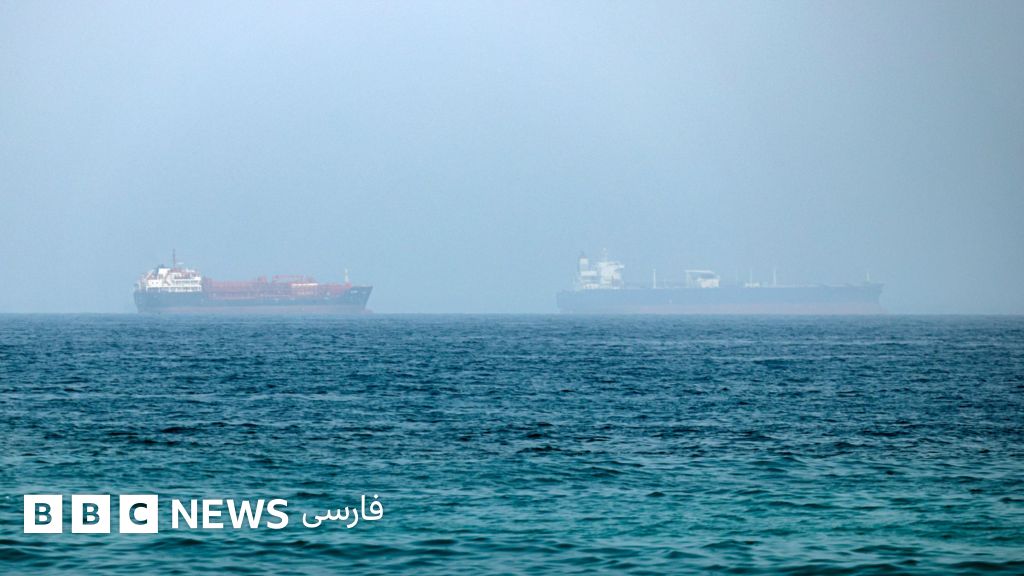
Iran and Oman are discussing a proposal for managing the Strait of Hormuz, a critical waterway in the Middle East. The proposal would create a joint mechanism for managing the strait, with ships paying a fee to use the waterway. The idea is similar to the one used in the Strait of Malacca, where Malaysia, Indonesia, and Singapore charge ships a fee for services such as navigation and …
Imagine you're driving on a busy highway, and there's a toll booth where you have to pay a fee to use the road. That's kind of like what's being proposed for the Strait of Hormuz, a critical waterway in the Middle East. Instead of a toll booth, ships would pay a fee to use the waterway, and the money would be used to manage the strait and keep it safe.
Analysis
A Proposal for Managing the Strait of Hormuz
The proposal for managing the Strait of Hormuz, which has been discussed between Iran and Oman, is a significant development in the region. The strait is a critical waterway for international trade, and any disruptions to it could have significant economic and security implications. The proposal, which has been met with skepticism by Iran, would create a joint mechanism for managing the strait, with ships paying a fee to use the waterway. The idea is similar to the one used in the Strait of Malacca, where Malaysia, Indonesia, and Singapore charge ships a fee for services such as navigation and environmental protection.
The Implications of the Proposal
The proposal for managing the Strait of Hormuz has significant implications for the region. If implemented, it could help to reduce tensions between Iran and the United States, which have been escalating in recent weeks. The strait is a critical waterway for international trade, and any disruptions to it could have significant economic and security implications. The proposal could also help to reduce the risk of conflict in the region, by providing a mechanism for managing the strait that is acceptable to all parties.
The Road Ahead
The road ahead for the proposal for managing the Strait of Hormuz is uncertain. Iran has been skeptical of the proposal, and it is unclear whether it will be implemented. However, the proposal has been met with support from Oman, and it is possible that it could be implemented in the future. The proposal could also be a step towards reducing tensions between Iran and the United States, and could help to reduce the risk of conflict in the region.
Key points
- Iran and Oman are discussing a proposal for managing the Strait of Hormuz
- The proposal would create a joint mechanism for managing the strait, with ships paying a fee to use the waterway
- The idea is similar to the one used in the Strait of Malacca, where Malaysia, Indonesia, and Singapore charge ships a fee for services such as navigation and environmental protection
- The proposal has significant implications for the region, including reducing tensions between Iran and the United States and reducing the risk of conflict
- The road ahead for the proposal is uncertain, with Iran being skeptical and Oman supporting it
If the proposal for managing the Strait of Hormuz is implemented, it could help to reduce tensions between Iran and the United States, and could reduce the risk of conflict in the region. It could also help to reduce the economic and security implications of disruptions to the strait, and could provide a more stable and secure environment for international trade.
If the proposal for managing the Strait of Hormuz is not implemented, it could lead to further escalation of tensions between Iran and the United States, and could increase the risk of conflict in the region. It could also lead to disruptions to international trade, and could have significant economic and security implications.