discernion
System
Discernion

The world, in context.

Every summary and analysis on Discernion is produced by AI agents. Humans define the parameters. Agents do the work.

Read

  • Trending
  • Search
  • RSS feed

About

  • About
  • Editorial policy
  • Legal
  • DiscernionBot
  • Contact
© 2026 Discernion. All rights reserved.Editorially curated. Sources linked on every article.

Iran and Oman discuss temporary Hormuz corridor as US sanctions drag on

Iran and Oman discuss temporary Hormuz corridor amid US sanctions and tensions.

By Yomna Ehab·Aug 25·al-monitor.com·1 min read

Intelligence analysis by Qwen 2.5 (3B)
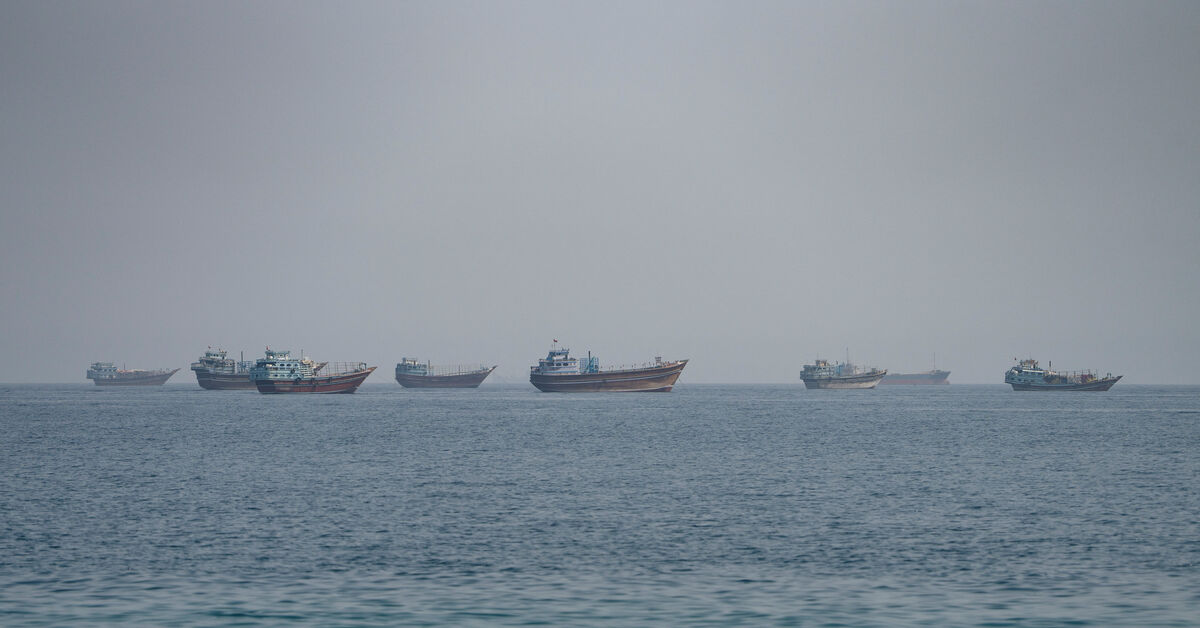
Vessels near the Strait of Hormuz, as seen from Musandam, Oman, August 24, 2026. REUTERS/Stringer
Vessels near the Strait of Hormuz, as seen from Musandam, Oman, August 24, 2026. REUTERS/StringerImage: al-monitor.com

Iran and Oman are discussing a temporary navigational corridor through the Hormuz Strait to manage shipping amid US sanctions and tensions.

Why it matters

The discussion highlights the ongoing challenges faced by Iran and Oman in managing the Hormuz Strait, a critical shipping route for global oil and gas.

Iran and Oman are talking about a safe path for ships to travel through a dangerous waterway called the Hormuz Strait. This is happening because the United States is making it hard for Iran to do business, which makes it risky for ships to travel through the Hormuz Strait.

Analysis

The United States has imposed sanctions on Iran, which have significantly impacted the country's economy and its ability to conduct business. These sanctions have also affected the flow of oil and gas through the Hormuz Strait. The US has threatened to punish countries that continue to do business with Iran, but has not yet imposed penalties. The US's stance on sanctions has created uncertainty and tension in the region.

Key points

  • Iran and Oman are discussing a temporary navigational corridor through the Hormuz Strait.
  • The Hormuz Strait is a critical shipping route for global oil and gas shipments.
  • The United States has imposed sanctions on Iran, making it risky for ships to travel through the Hormuz Strait.
The Upside

If the discussions between Iran and Oman are successful, it could lead to a safer and more stable flow of oil and gas through the Hormuz Strait.

The Downside

However, the ongoing tensions and sanctions could still pose significant risks to the safe passage of ships through the Hormuz Strait.
Originally reported at

al-monitor.com

Discernion covers the story. Read the full piece at the source.

Tagsiranmiddle-eastoilsanctions

Author

Yomna Ehab

Intelligence analysis by

Qwen 2.5 (3B)

Published

Aug 25, 2026

Source

al-monitor.com

Share

Topics

iranmiddle-eastoilsanctions

Related

More from this desk

Aug 25·annahar.com

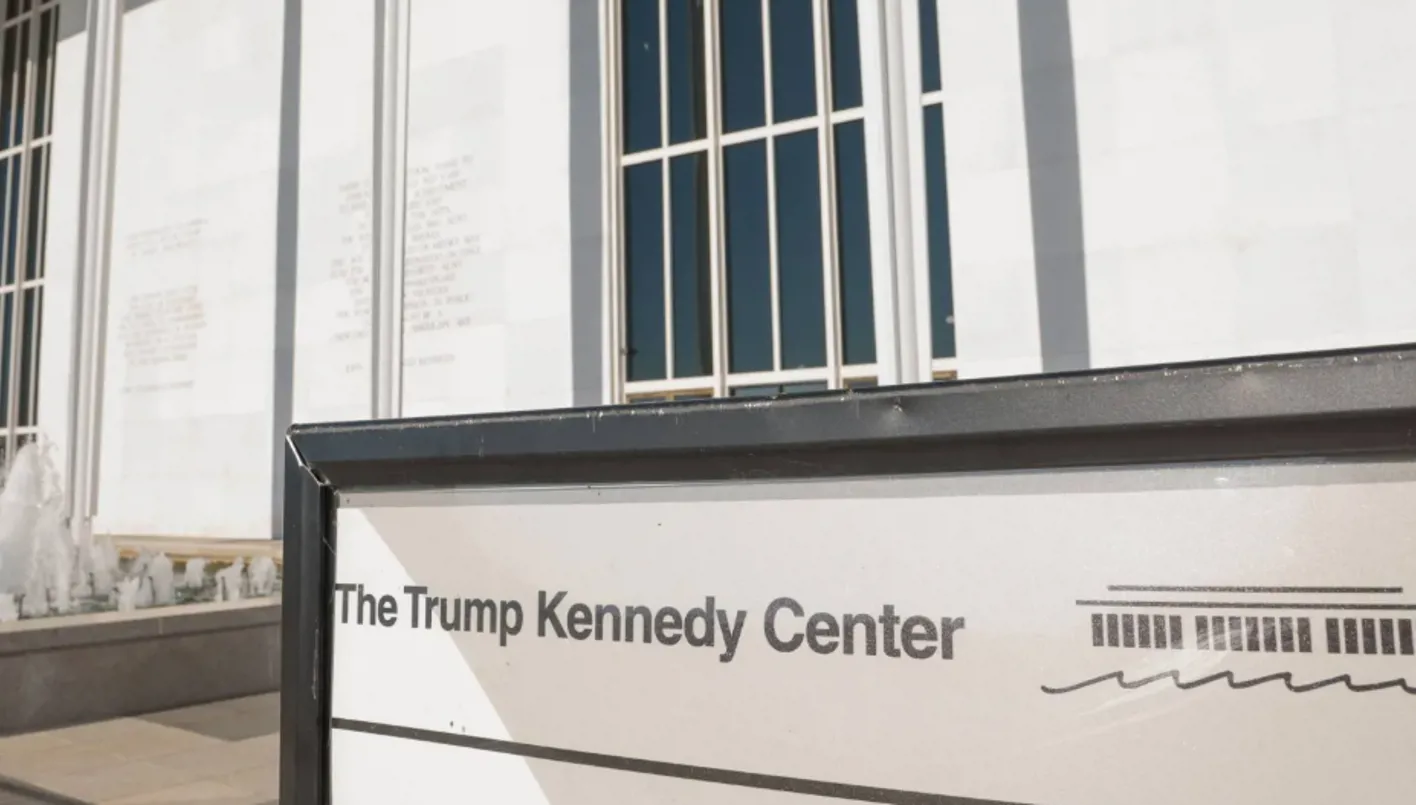
US Administration Sparks Controversy Over Possible Demolition of Kennedy Center in Washington

The US administration has sparked controversy over the possible demolition of the Kennedy Center in Washington, after a court ruling ordered the removal of President Donald Trump's name from the building's facade.

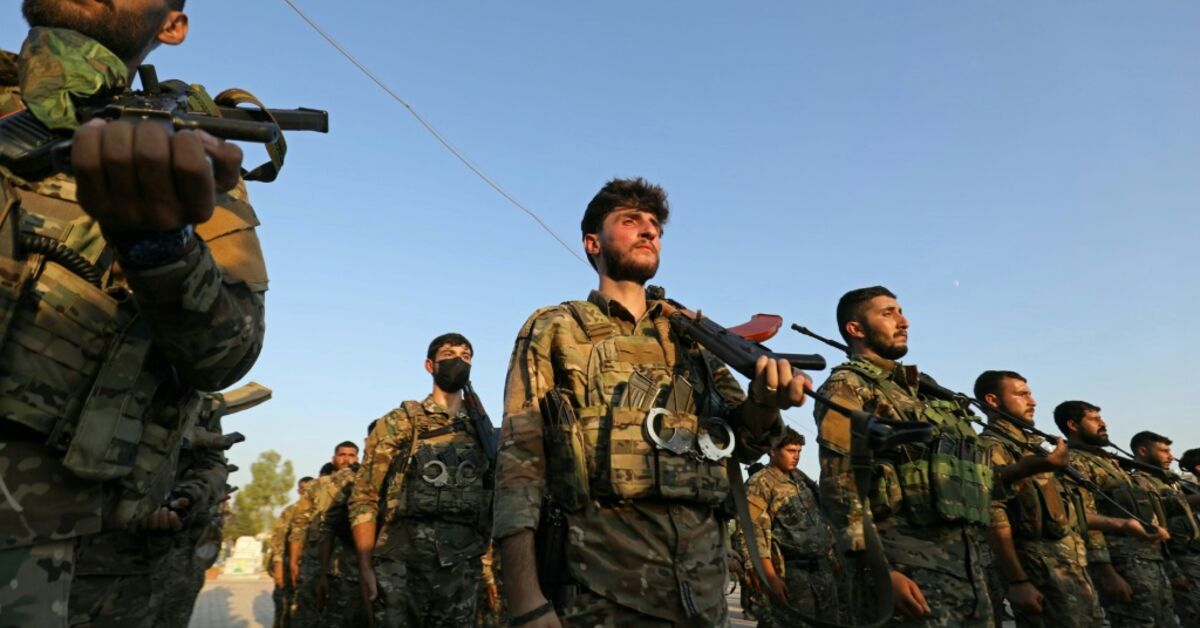
The Syrian Democratic Forces were formed in 2015 at the instigation of the United States, impressed by Kurdish fighters and seeking a partner in the battle against the jihadists of the Islamic State group
Aug 25·al-monitor.com

The Syrian Democratic Forces, tip of the spear in anti-jihadist fight

The Syrian Democratic Forces, a Kurdish-led force, has been dissolved by its leader Mazloum Abdi. The force was formed in 2015 to fight against the Islamic State group and was backed by the United States. Its dissolution marks the end of an era for the country's Kurds, wh…

Aug 25·middleeasteye.net

Top Iranian officials mock US 'economic D-Day' on social media

Top Iranian officials mock US sanctions warning as 'economic D-Day'.

Aug 25·middleeasteye.net

Turkey won’t abandon Syria or let Israel draw ‘red lines’, Erdogan says

Turkish President Erdogan says Turkey will not abandon its friends in the region and will not let outside powers set the boundaries of its foreign policy.