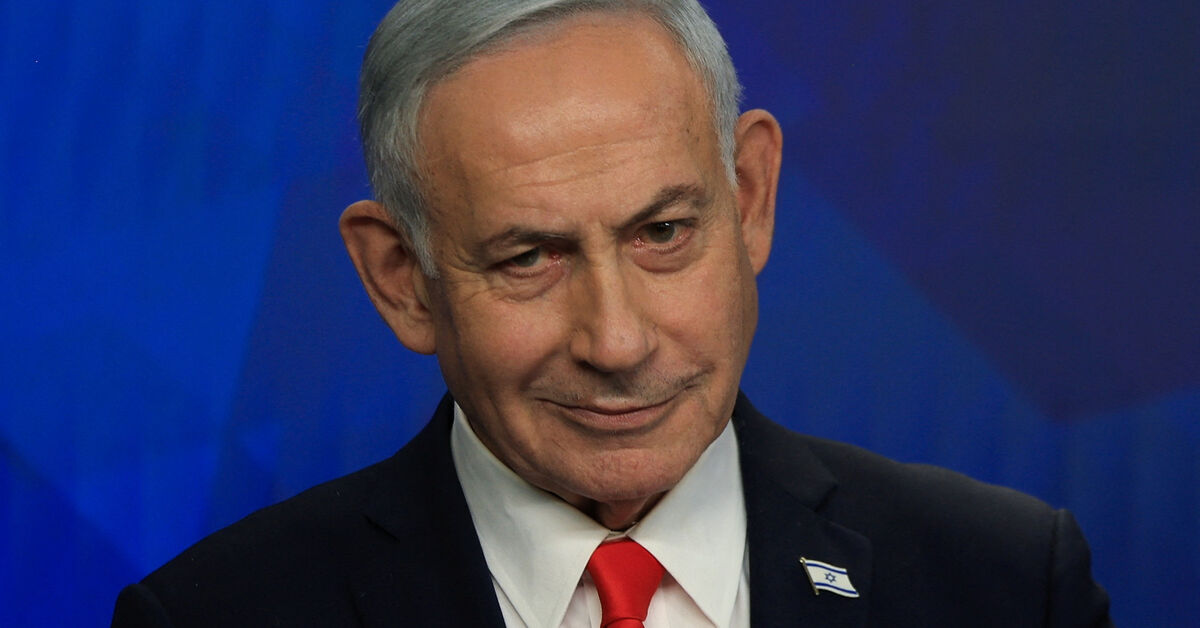
Iran-born engineer wins bail ahead of U.S. trial tied to deadly drone strike
A U.S. judge granted bail to Mahdi Sadeghi before his trial over alleged tech procurement tied to a deadly 2024 drone strike in Jordan.
Intelligence analysis by GPT-5.4 Mini
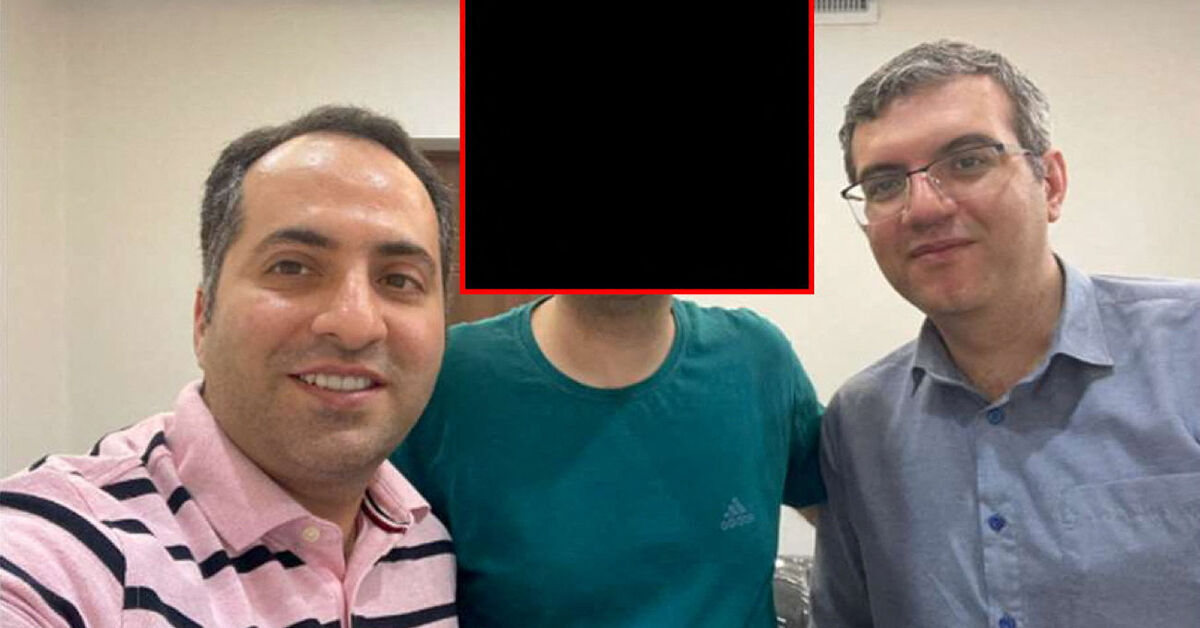
The case centers on an Iran-born engineer accused of helping procure technology used in navigation systems for Iranian drones. A judge in Boston granted him bail, saying the political climate and his family’s situation had changed since his arrest.
A man is accused of helping get parts for a drone system linked to a deadly attack on U.S. soldiers. A judge let him go home before trial, but only with strict rules, like wearing a tracker, like putting a leash on a dog so it cannot wander.
Analysis
What happened
A federal judge in Boston allowed Mahdi Sadeghi, a dual U.S.-Iranian national, to leave custody on bail ahead of his trial on June 22. He had been held since December 2024 on charges that he conspired to illegally procure technology used in a navigation system for Iran’s military drones.
The alleged link to Tower 22
Prosecutors say that navigation system was used in a drone that struck the U.S. outpost at Tower 22 in Jordan near the Syrian border in January 2024. That attack killed three Army Reserve soldiers and injured 47 others. Sadeghi has pleaded not guilty.
Why the judge changed course
Judge Indira Talwani had earlier refused bail because she feared Sadeghi might flee. On Thursday, she said the situation had changed because of the war in Iran, which began in February after U.S. and Israeli strikes. She said returning to Iran now seemed “less attractive” and that it would be hard for him to leave behind his family, who live with him in Natick, Massachusetts.
The judge ordered release on a secured $500,000 bond, along with strict home detention and a GPS ankle monitor.
The broader case
Sadeghi, a former Analog Devices employee, is accused of helping violate U.S. export control and sanctions laws by procuring technology for Mohammad Abedini’s company. The article says that company counted Iran’s Islamic Revolutionary Guard Corps as a client and made a navigation system used in Shahed drones. Abedini was released by Italian officials last year after Iran detained an Italian journalist.
The case sits at the intersection of criminal law, sanctions enforcement, and the wider conflict over Iran’s drone capabilities.
Key points
- A Boston judge granted bail to Mahdi Sadeghi, an Iran-born dual U.S.-Iranian citizen, before his trial.
- He is charged with conspiring to illegally procure technology used in Iran’s military drone navigation systems.
- Prosecutors connect that technology to the drone strike on Tower 22 in Jordan that killed three U.S. soldiers in January 2024.
- The judge said the war involving Iran had changed the bail picture and made return to Iran less likely.
- Sadeghi will be on home detention with a GPS ankle monitor after release on a secured $500,000 bond.
If the case proceeds without flight risk, the court can test the evidence in a public trial while keeping the defendant under strict supervision. A bail release also gives Sadeghi a chance to stay with his family in the United States while he contests the charges.
If prosecutors prove the procurement role they allege, the case could reinforce U.S. enforcement against support networks tied to Iran’s drone program. The underlying conflict and sanctions fight may also keep the case politically charged and heighten concerns about flight or retaliation.