Iran-China MOU powers Maku Free Zone as new silk road gateway
The Maku Free Zone Organization and a Chinese company have signed an MOU for strategic investments in energy, railways, automobiles, and mining, aiming to develop the zone as a pivotal transit and industrial hub.
Intelligence analysis by Gemini 2.5 Flash
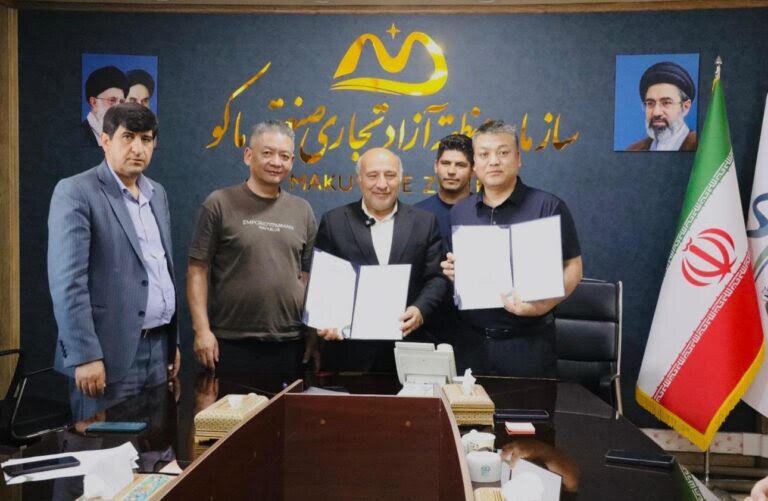
This agreement signifies Iran's strategic move to deepen economic ties with China, leveraging Beijing's expertise and investment in infrastructure despite existing sanctions. The partnership aims to transform the Maku Free Zone into a key logistics powerhouse, enhancing Iran's role in international trade routes.
Imagine Iran and China are building a super-fast trade road and train track through a special area called Maku. This will help them send goods like toys, cars, and energy between Asia and Europe much quicker, like a shortcut. It's like two friends working together to build a big, busy highway for everyone to use.
Analysis
Maku Free Zone
The Maku Free Zone, strategically located in Iran's West Azarbaijan province near the borders with Turkey and Azerbaijan, is poised for significant transformation. This region is envisioned as a critical transit and industrial hub, leveraging its unique geographical position to facilitate trade and logistics between Asia and Europe. The recent memorandum of understanding with a Chinese company is a cornerstone of this ambition, targeting comprehensive development across multiple sectors.
The agreement outlines extensive technical-engineering cooperation, financing, investment, management, and execution of infrastructure and economic projects within the zone. Key areas of focus include the development of logistics villages, dry port facilities, and transit infrastructure. If successfully implemented, these initiatives could substantially boost Iran's non-oil exports and establish Maku as a central node in global supply chains.
East-West Rail Corridor
A significant component of the MOU is the commitment to studying and participating in the development of the East-West rail corridor, specifically the Tabriz–Cheshmeh-Soraya railway line. This line is designed to connect Iran's national rail network to Turkey and broader international routes, forming a crucial segment of the International North-South Transport Corridor (INSTC).
For China, this aligns directly with its ambitious Belt and Road Initiative, offering an alternative overland path for trade that could significantly shorten freight routes between Asia and Europe. The strategic importance of this rail link extends beyond mere transport, symbolizing a deeper integration of regional economies and a re-shaping of global trade arteries. The project promises to enhance connectivity and reduce transit times, benefiting all participating nations.
25-Year Cooperation Agreement
This specific MOU between the Maku Free Zone Organization and a Chinese company is a tangible manifestation of the broader comprehensive strategic partnership between Iran and China. This partnership, formalized under a 25-year long-term cooperation agreement, emphasizes collaboration in energy, infrastructure, transit, and technology, moving beyond traditional oil-centric engagements.
China, as Iran's largest trading partner, plays an indispensable role in advancing these strategic corridors and railway projects. In return, Iran's unique geopolitical position offers China enhanced access to West Asian and European markets, creating a symbiotic relationship. The Maku Free Zone initiative exemplifies this shift towards advanced industrial and infrastructure projects, underscoring a long-term vision for mutual economic growth and strategic alignment.
Key points
- Maku Free Zone Organization and a Chinese company signed an MOU for strategic investments.
- Investments target energy, railways, automobiles, mining, and logistics infrastructure.
- Key projects include the East-West rail corridor and the Tabriz–Cheshmeh-Soraya railway line.
- The partnership aims to develop Maku Free Zone as a pivotal transit and industrial hub.
- This cooperation aligns with China's Belt and Road Initiative and Iran's 25-year strategic partnership with China.
If successfully implemented, this partnership could transform the Maku Free Zone into a major logistics and industrial hub, significantly boosting Iran's non-oil exports and attracting substantial foreign investment. It would solidify Iran's position as a critical transit bridge, fostering economic growth and creating numerous job opportunities.
The implementation of these ambitious projects faces considerable geopolitical hurdles, primarily due to international sanctions against Iran. These challenges could impede financing, technology transfer, and overall project execution, potentially delaying or undermining the full realization of the MOU's objectives.


