Iran demands inbound control of Hormuz and outbound oversight, source says
A senior Iranian source tells Reuters Tehran wants to approve all inbound shipping in the Strait of Hormuz and retain oversight of outbound traffic under an Omani-mediated plan to reopen the waterway.
Intelligence analysis by Llama
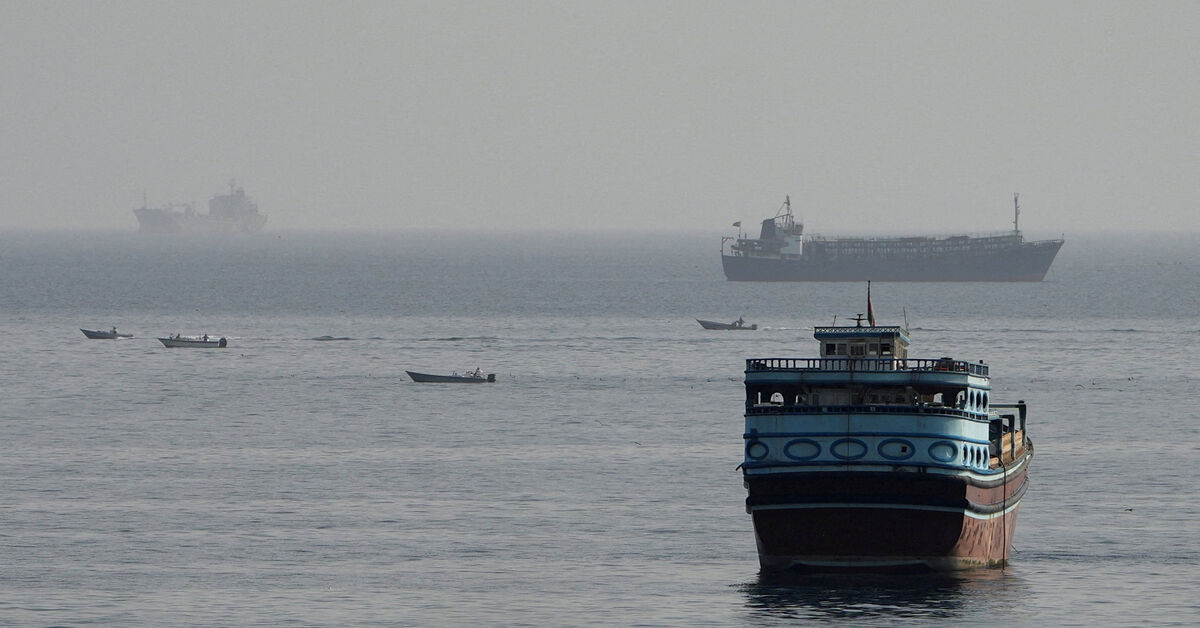
Negotiations between Iran and Oman over the Strait of Hormuz have stalled over who gets to control traffic in a corridor that carries a fifth of the world's oil. Iran wants a system that funnels inbound approvals through Tehran while letting it monitor ships leaving the Gulf, a stance a senior source describes as unlikely to shift.
A narrow waterway between Iran and Oman carries one-fifth of the world's oil. It has been mostly shut since February because of a war, and Iran now wants to approve every ship coming in and watch those going out. Like a toll booth with a camera, this gives Tehran a powerful lever until the war ends.
Analysis
Tehran's Lever in the Negotiation Room
Iran's negotiating position, as described by the senior source, hands Tehran near-asymmetric control of the strait during any reopening window. Inbound traffic would require Iranian sign-off, while outbound vessels — sailing through a corridor between Iran and Oman — would need to clear exit permission via Muscat after notifying Iran. That sequencing preserves Iran's ability to disrupt, inspect, or delay any ship Tehran deems a security concern, a powerful bargaining chip in a war it is fighting on multiple fronts.
The source's claim that Tehran has already shown flexibility — by dropping its original demand for full control of both lanes — suggests Iran's leadership calculated that a softer public position costs little at the table while keeping the underlying leverage intact. Even a partial reopening, if Tehran retains the right to intervene, gives it the option of weaponising the strait again at any moment.
The June MOU: A Treaty or a Truce?
The dispute is now a contest over the meaning of the June memorandum of understanding that paused the U.S.-Israeli war on Iran. Washington frames that document as obligating Iran to reopen the strait; Tehran reads the same text as preserving its shipping authority. That gap leaves both sides claiming compliance while behaving as if the other has violated the deal.
The text of the MOU is, predictably, the next battlefield. Each side's interpretation will likely surface through leaks or formal statements as diplomatic pressure builds on Oman, the most exposed mediator. Oman's role as intermediary — and its territorial waters on the strait's southern edge — gives Muscat a direct stake in any compromise formula that recognises the practical reality of two coastal states sharing one narrow waterway.
A Choke Point for a Fifth of Global Oil
The strait is 34 kilometres wide and carries roughly a fifth of global oil supplies, plus fertilisers and other essential cargoes. Even a partial closure pushes up tanker insurance rates, detours shipments around Africa, and tightens inventories in importing economies with no easy substitutes. The stakes for the global economy are large enough that diplomatic pressure on Tehran will continue to mount regardless of how Tehran frames its demands.
If the current Omani-mediated talks collapse, the alternative is a return to open hostilities in a waterway the world cannot easily route around. If a deal is reached, the format of that deal — whether it preserves Iranian intervention rights or builds a neutral monitoring regime under Omani coordination — will set a precedent for how the next regional crisis is managed.
Key points
- Iran wants authority over inbound Hormuz shipping and oversight of outbound traffic under an Omani-mediated reopening plan, a senior Iranian source says
- Tehran already rejected an Omani proposal last month for equal division of transit routes, citing unresolved security concerns
- The Strait of Hormuz has been largely blocked since the U.S.-Israeli war on Iran began in late February
- Washington and Tehran disagree over whether a June memorandum of understanding obligated Iran to fully reopen the waterway
- Roughly one-fifth of global oil supplies and other vital goods, including fertilisers, transit the 34-kilometre-wide waterway
If Muscat brokers a workable compromise, the strait could reopen in a phased way that lets tanker traffic resume, easing insurance costs and global oil prices while giving Iran an off-ramp from the war. A monitored corridor, even one heavily shaped by Tehran, would be a far better outcome than continued closure and the risk of a fresh escalation.
If the talks collapse, Tehran could reimpose full closure or selectively detain shipping, sending oil and fertiliser prices sharply higher and dragging in Gulf neighbours already hit by Iranian attacks. Continued stalemate also raises the chance that the U.S. or Israel treats any further Iranian moves on the strait as casus belli, restarting the war on a worse footing.
Market signals
- OIL Continued closure or contested control of a chokepoint carrying about a fifth of global oil supplies keeps supply-risk premium in crude benchmarks, per the article's framing of the stalled talks.
- XAU Persistent war risk and a diplomatic standoff over a strategic waterway support safe-haven demand for gold, consistent with the article's depiction of an unresolved conflict.
AI-generated analysis of potential market relevance. Not financial advice.