Iran Develops Smart Device to Measure Depth of Anesthesia
Iran has developed a smart device to measure the depth of anesthesia using electroencephalography (EEG) signals. The device is designed to provide a more accurate and reliable method for monitoring patients' level of consciousness during anesthesia.
Intelligence analysis by Llama
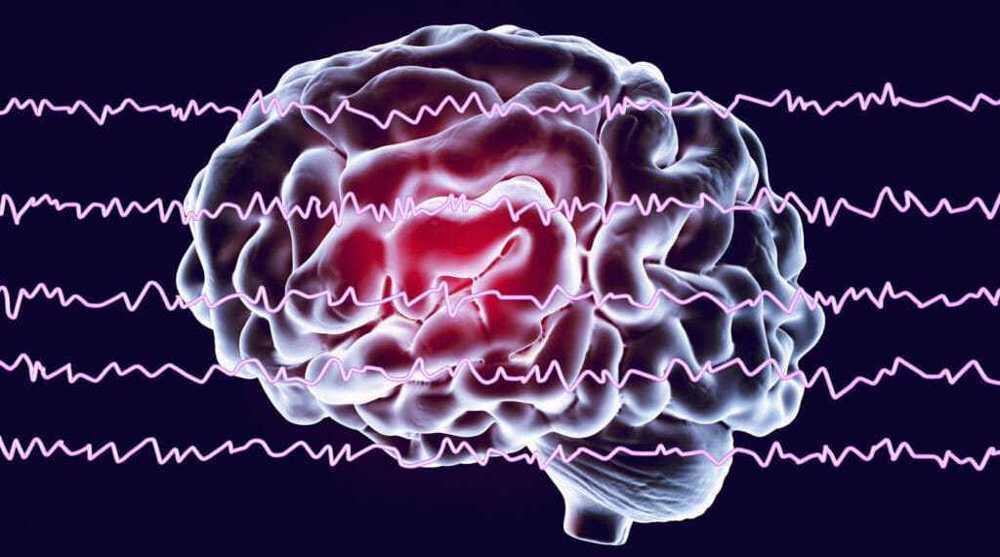
Iran has developed a smart device to measure the depth of anesthesia using EEG signals, aiming to improve the accuracy and reliability of consciousness monitoring.
Imagine you're having surgery and the doctors need to make sure you're not too sleepy. They use a special device that reads your brain waves to figure out how deep you're sleeping. This new device from Iran is like that, but better and more accurate.
Analysis
Iran's Cognitive Neuroscience Breakthrough
Iran has made a significant breakthrough in cognitive neuroscience by developing a smart device to measure the depth of anesthesia using electroencephalography (EEG) signals. This device is designed to provide a more accurate and reliable method for monitoring patients' level of consciousness during anesthesia.
The device uses EEG signals and computational models of the thalamocortical network to estimate a patient's level of consciousness throughout the anesthesia process. Unlike conventional one-dimensional indicators such as the Bispectral Index (BIS), the system represents the depth of anesthesia in a two-dimensional phase space, allowing clinicians to assess how close a patient is to transition boundaries between different states of consciousness.
Economic Benefits
From an economic perspective, the development of this technology can help reduce reliance on imported monitoring equipment, save foreign currency, lower the cost of obtaining anesthesia-depth monitoring systems, and create domestic manufacturing and commercialization capacity. This can have a positive impact on Iran's economy, particularly in the healthcare sector.
Social Benefits
The technology can also provide social benefits by improving the accuracy and reliability of monitoring patients' consciousness, supporting anesthesiologists in clinical decision-making, reducing their workload and stress, and increasing healthcare centers' access to affordable, domestically developed technology. This can lead to better healthcare outcomes and improved patient care.
Future Development
The development of this device is part of efforts to localize advanced anesthesia-monitoring technologies, reduce technological dependence on foreign products, expand domestic expertise in EEG processing, computational brain modeling, and artificial intelligence, and strengthen the production of knowledge-based medical equipment in Iran. Further research and development and completion of the prototype are the next steps toward establishing a domestic solution for monitoring the depth of anesthesia and expanding its applications in healthcare and research centers.
Key points
- Iran has developed a smart device to measure the depth of anesthesia using EEG signals.
- The device is designed to provide a more accurate and reliable method for monitoring patients' level of consciousness during anesthesia.
- The technology has the potential to improve healthcare outcomes, reduce reliance on imported equipment, and increase domestic manufacturing and commercialization capacity.
- Further research and development and completion of the prototype are the next steps toward establishing a domestic solution for monitoring the depth of anesthesia and expanding its applications in healthcare and research centers.
If this technology is successfully developed and implemented, it could lead to improved healthcare outcomes, reduced reliance on imported equipment, and increased domestic manufacturing and commercialization capacity. This could have a positive impact on Iran's economy and healthcare sector.
However, there are also potential risks and challenges associated with the development and implementation of this technology. For example, there may be technical difficulties or regulatory hurdles that need to be overcome. Additionally, there may be concerns about the accuracy and reliability of the device, particularly in high-stakes situations such as surgery.