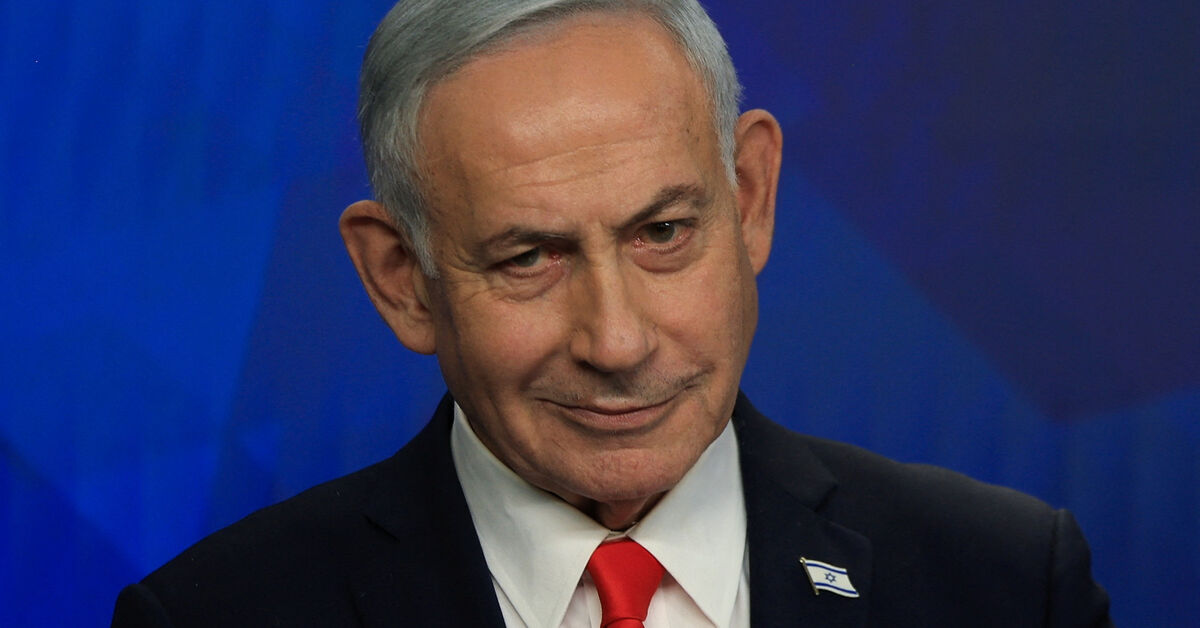
Iran drone and missile attack hits Kuwait airport, state news agency says
Kuwait said an Iranian drone and missile attack struck its international airport, injuring people and forcing flight diversions.
Intelligence analysis by GPT-5.4 Mini
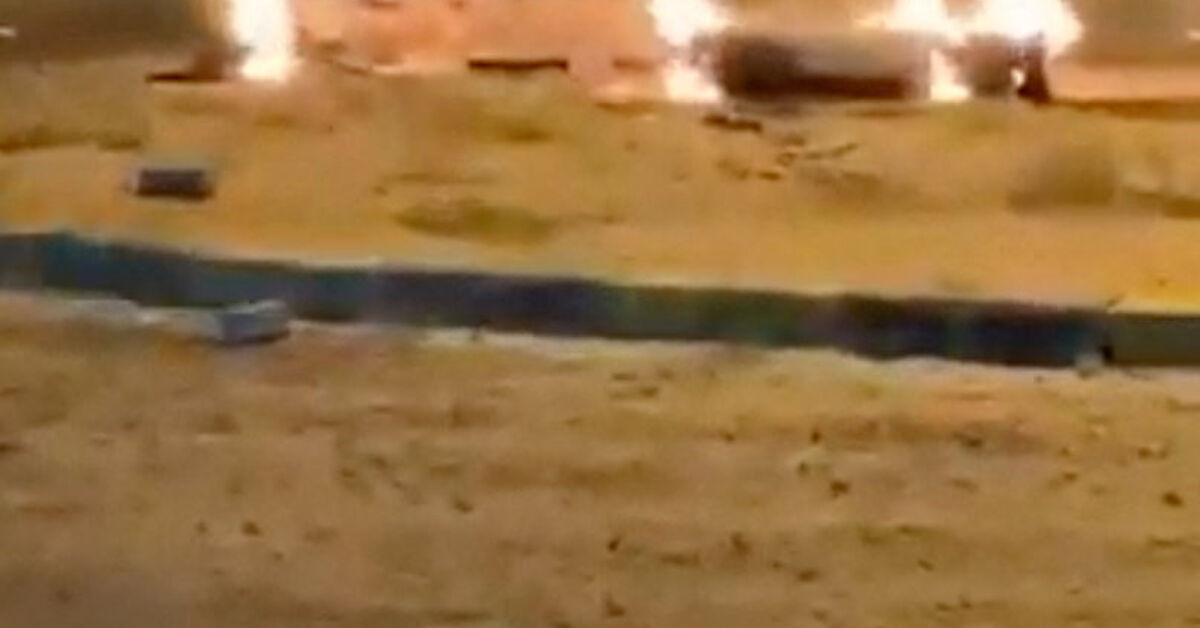
Kuwait’s state news agency said an Iranian attack hit the country’s international airport early Wednesday, damaging the T1 building and disrupting flights. The report came as U.S. officials said Iranian missiles aimed at Gulf neighbours were intercepted or failed to reach their targets.
A plane airport in Kuwait got hit during fighting between countries, and that hurt people and messed up flights. It is like a busy bus station suddenly getting damaged in the middle of a storm, so everyone has to slow down and move carefully.
Analysis
What happened
Kuwait’s state news agency said an Iranian drone and missile attack struck Kuwait International Airport early on Wednesday, injuring people and forcing authorities to divert flights. The report, citing the General Civil Aviation Authority, said the airport’s T1 building suffered severe damage.
Regional context
The article also says the U.S. military reported that two Iranian missiles fired at Kuwait fell short or broke apart before reaching their targets, while three missiles launched at Bahrain were intercepted by U.S. and Bahraini forces. U.S. Central Command said Iran launched ballistic missiles toward regional neighbours, but that they failed to hit targets. In response, U.S. forces struck Qeshm Island and said they defeated multiple Iranian ballistic missiles and drones.
Why this is significant
The story is not just about one airport. It points to a wider pattern of attacks and interceptions spreading across the Gulf, with civilian transport infrastructure caught in the middle. Kuwait International Airport is a sensitive target because damage there can quickly affect travel, logistics, and public confidence.
The Reuters report is tightly focused on confirmed official statements, and it does not give a full damage assessment beyond the T1 building or detail the number of injured people. Even so, the article makes clear that the incident disrupted air traffic and added another layer of pressure to already tense regional security conditions.
Key points
- Kuwait said an Iranian drone and missile attack hit Kuwait International Airport early Wednesday.
- The report said the airport’s T1 building sustained severe damage and flights were diverted.
- The attack caused injuries, though the article does not give a full casualty count.
- U.S. officials said Iranian missiles aimed at Kuwait and Bahrain either failed or were intercepted.
- The strike highlights the risk of regional spillover into civilian Gulf infrastructure.
If the damage is contained and flight operations can be restored quickly, Kuwait can limit the disruption to passengers and keep the airport functioning. The interceptions and failed launches described in the article also suggest some regional defenses are working to prevent wider damage.
If attacks continue, airports and other civilian sites across the Gulf could remain exposed, causing more injuries and travel disruption. The report also suggests the conflict could keep widening as missile launches, interceptions, and retaliatory strikes continue across the region.