Iran, Epstein, and Taylor Swift: Why Did the UK Prime Minister Resign?
UK Prime Minister Keir Starmer resigned under pressure from his party, after a series of controversies and declining popularity. His resignation comes less than two years after his party's historic election victory.
Intelligence analysis by Llama 3.3 70B
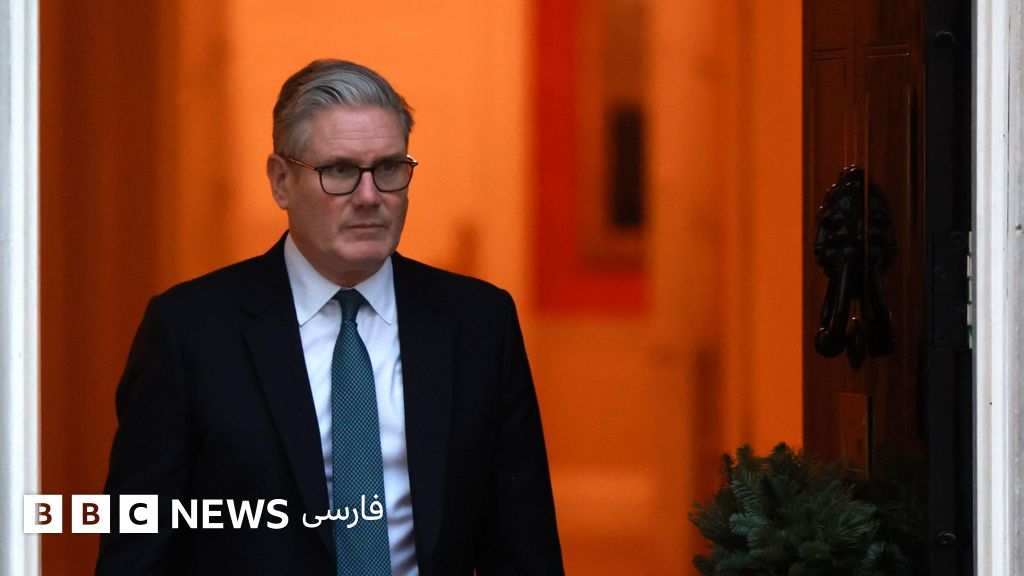
Keir Starmer's resignation is a result of his party's loss of confidence in his leadership, following a series of scandals and controversies, including his handling of the Jeffrey Epstein case and his relationship with Peter Mandelson.
The UK Prime Minister, Keir Starmer, had to quit his job because his party didn't think he was doing a good job. He got into trouble for some things he did, like being friends with someone who did something very bad. Now, the party has to choose a new leader to try to fix things.
Analysis
The Rise and Fall of Keir Starmer
Keir Starmer's rise to power was swift and unexpected, with his party winning a historic election victory in 2024. However, his popularity declined rapidly, and he faced criticism for his handling of various issues, including the economy and immigration.
The Epstein Scandal
One of the major controversies that contributed to Starmer's resignation was his handling of the Jeffrey Epstein case. The scandal involved Peter Mandelson, a former strategist and diplomat, who had been appointed as the UK's ambassador to the US. Mandelson had been accused of having a close relationship with Epstein, and had even shared confidential government information with him.
The Road Ahead
The resignation of Keir Starmer has left the Labour Party in a state of uncertainty, with many questioning the party's ability to lead the country. The party will now have to elect a new leader, who will face the challenge of rebuilding trust and confidence with the public. The future of the party and the country remains uncertain, as the UK navigates a complex and rapidly changing political landscape.
Key points
- Keir Starmer resigned as UK Prime Minister under pressure from his party
- His popularity declined rapidly due to various controversies and scandals
- The Labour Party will now have to elect a new leader to replace Starmer
The resignation of Keir Starmer could provide an opportunity for the Labour Party to regroup and refocus, potentially leading to a more effective and popular leadership. A new leader could bring fresh ideas and a renewed sense of purpose to the party, helping to rebuild trust with the public.
The resignation of Keir Starmer could lead to further instability and division within the Labour Party, potentially weakening its ability to challenge the ruling Conservative Party. The party may struggle to find a new leader who can unite its members and appeal to the wider public, leading to a prolonged period of uncertainty and decline.