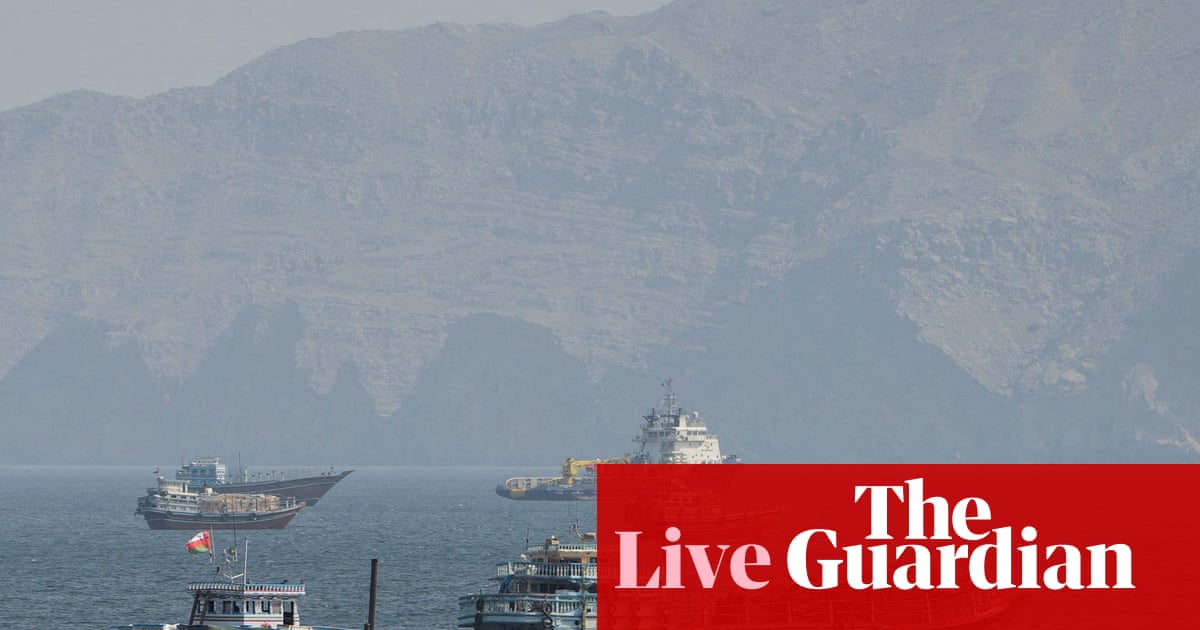
Iran faces 'greatest financial offensive ever', says US Treasury Secretary
US Treasury Secretary Scott Bessent has threatened Iran with 'the single greatest financial offensive ever', claiming the US-Israel war with Iran was 'entering its endgame'.
Intelligence analysis by Llama

US Treasury Secretary Scott Bessent has threatened Iran with 'the single greatest financial offensive ever', claiming the US-Israel war with Iran was 'entering its endgame'. Bessent has promised to sever all economic ties with the country in 'an economic D-Day'.
Imagine a big country called Iran that relies on oil to make money. The US is threatening to cut off Iran's oil money, which could make it very hard for Iran to survive. This could affect the whole world because many countries rely on oil imports.
Analysis
Economic Consequences of US Sanctions on Iran
The US Treasury Secretary's threat to impose the 'single greatest financial offensive ever' on Iran has significant implications for the global economy. The US has already imposed tough economic sanctions on Iran, including the reimposition of all US sanctions on Iran after President Trump pulled out of the 2015 nuclear deal. The Iranian regime already faces tough economic sanctions from the US, and the threat of further sanctions could exacerbate the country's economic woes. Iran's economy is heavily reliant on oil exports, and the threat of sanctions could lead to a significant decline in oil production and exports. This could have a ripple effect on the global economy, particularly in countries that rely heavily on oil imports. The US Treasury Secretary's threat to impose economic sanctions on Iran is also likely to have a significant impact on the stability of the region. The conflict between the US and Iran has already led to a significant increase in tensions in the region, and the threat of further sanctions could lead to further instability. The Strait of Hormuz, which is a critical waterway for oil exports, has already been effectively blocked by Iran since the conflict began at the end of February. The Iranian regime has also issued a new warning to shipping not to pass through the Strait of Hormuz without its permission. This could have significant implications for the global economy, particularly for countries that rely heavily on oil imports.
Implications for the Global Economy
The threat of economic sanctions on Iran has significant implications for the global economy. The US Treasury Secretary's threat to impose the 'single greatest financial offensive ever' on Iran could lead to a significant decline in oil production and exports. This could have a ripple effect on the global economy, particularly in countries that rely heavily on oil imports. The conflict between the US and Iran has already led to a significant increase in tensions in the region, and the threat of further sanctions could lead to further instability. The Strait of Hormuz, which is a critical waterway for oil exports, has already been effectively blocked by Iran since the conflict began at the end of February. The Iranian regime has also issued a new warning to shipping not to pass through the Strait of Hormuz without its permission. This could have significant implications for the global economy, particularly for countries that rely heavily on oil imports.
US Treasury Secretary's Threat
The US Treasury Secretary's threat to impose economic sanctions on Iran is also likely to have a significant impact on the stability of the region. The conflict between the US and Iran has already led to a significant increase in tensions in the region, and the threat of further sanctions could lead to further instability. The US Treasury Secretary's threat to impose the 'single greatest financial offensive ever' on Iran is a significant escalation of the conflict, and it is likely to have a significant impact on the stability of the region.
Key points
- US Treasury Secretary Scott Bessent has threatened Iran with 'the single greatest financial offensive ever'
- The US has already imposed tough economic sanctions on Iran, including the reimposition of all US sanctions on Iran
- The Iranian regime already faces tough economic sanctions from the US
- The threat of further sanctions could lead to a significant decline in oil production and exports
- The conflict between the US and Iran has already led to a significant increase in tensions in the region
If the US and Iran can come to a peaceful agreement, it could lead to a significant reduction in tensions in the region and a boost to the global economy. The US Treasury Secretary's threat to impose economic sanctions on Iran could also be a negotiating tactic to get Iran to agree to a deal. If Iran agrees to limit its nuclear programme and allow for greater international oversight, it could lead to a significant reduction in tensions in the region and a boost to the global economy.
If the US and Iran cannot come to a peaceful agreement, it could lead to a significant increase in tensions in the region and a decline in the global economy. The US Treasury Secretary's threat to impose economic sanctions on Iran could also lead to a significant increase in instability in the region, particularly if Iran decides to block the Strait of Hormuz. This could have significant implications for the global economy, particularly for countries that rely heavily on oil imports.
Market signals
- Oil The threat of economic sanctions on Iran could lead to a significant decline in oil production and exports, pushing oil prices higher.
AI-generated analysis of potential market relevance. Not financial advice.