Iran faces strait of Hormuz paradox as strategic value of chokehold erodes
Iran is facing a paradox as the strategic value of the strait of Hormuz, a key chokehold on the world economy, erodes. The country's negotiators are debating whether to seek a deal soon or wait until their position weakens.
Intelligence analysis by Llama
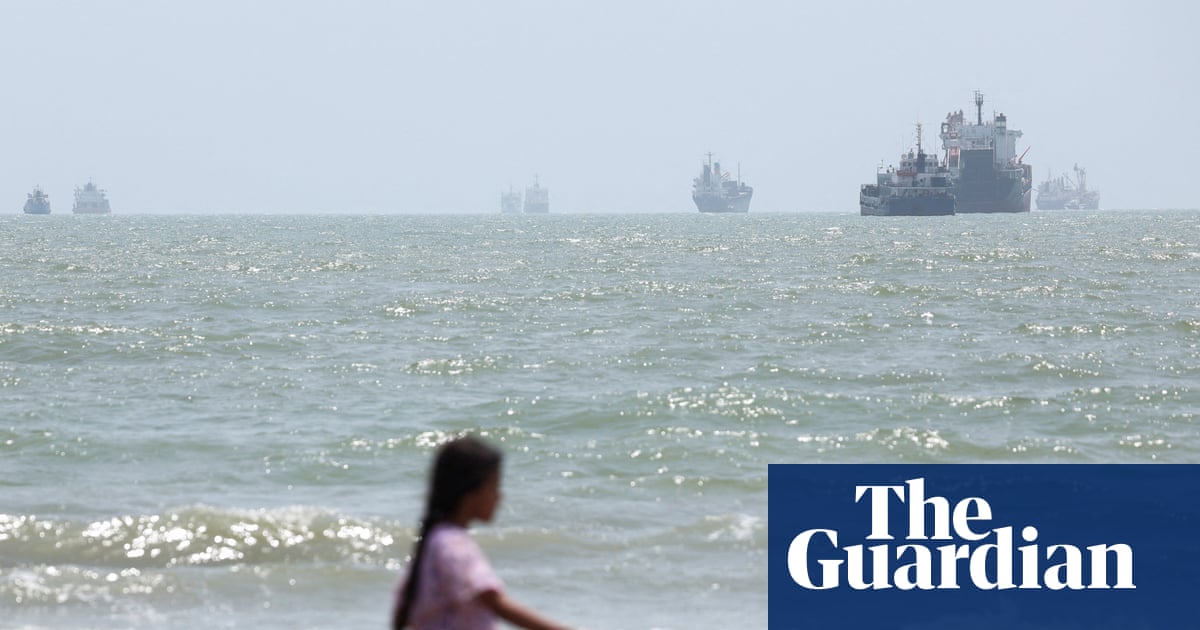
Iran's negotiators are divided over whether to seek a deal soon or wait until their position weakens as the strategic value of the strait of Hormuz erodes.
Imagine you have a special key that can control the flow of oil through a narrow waterway. But if you use the key too much, it starts to lose its power. That's what's happening with Iran's key to the strait of Hormuz. The country is trying to decide whether to use the key now or wait until it's stronger. But the key is losing its power, and Iran is becoming more vulnerable to economic sanctions.
Analysis
The Hormuz Paradox
The strait of Hormuz, a key chokehold on the world economy, is facing a paradox. Iran's negotiators are debating whether to seek a deal soon or wait until their position weakens. The country's economic situation is precarious, with four or five major challenges simultaneously putting pressure on the economy. The Iranian central bank governor has warned about the economic pressures, and the president has called for an end to the war. The main question is no longer whether Iran can close the strait but whether it can make the passage so safe and stable that everyone needs Iran to maintain this order.
The strait's value as a chokehold on the world economy is eroding, and Iran is becoming increasingly vulnerable to the new planned US wave of economic sanctions. The country's negotiators are divided over whether to seek a deal soon or wait until their position weakens. Those who warn that the strait's value will erode argue that Iran's negotiators should seek a deal soon. One analysis suggests that the construction of alternative pipelines and export routes by Iran's Gulf neighbours will halve the strait's strategic value within three years.
The Iranian president and the parliamentary speaker have both recently made unusually blunt comments about the need to end the war and the economic consequence of continuing it. The Iranian central bank governor has warned about the economic pressures, and the president has called for an end to the war. The main question is no longer whether Iran can close the strait but whether it can make the passage so safe and stable that everyone needs Iran to maintain this order.
The strait's value as a chokehold on the world economy is eroding, and Iran is becoming increasingly vulnerable to the new planned US wave of economic sanctions. The country's negotiators are divided over whether to seek a deal soon or wait until their position weakens. Those who worry about wasting assets inevitably set store by the separate visits this week to Tehran of Oman's foreign minister and Pakistan's army chief. These two men are critical to renegotiating the terms for the reopening of the strait and the revival of the discarded memorandum of understanding agreed by the US and Iran in June.
Key points
- The strait of Hormuz is a key chokehold on the world economy, but its value is eroding.
- Iran's negotiators are divided over whether to seek a deal soon or wait until their position weakens.
- The country's economic situation is precarious, with four or five major challenges simultaneously putting pressure on the economy.
- The Iranian central bank governor has warned about the economic pressures, and the president has called for an end to the war.
- The main question is no longer whether Iran can close the strait but whether it can make the passage so safe and stable that everyone needs Iran to maintain this order.
If Iran can make the passage of the strait of Hormuz so safe and stable that everyone needs them to maintain this order, they may be able to negotiate a better deal with the US and other countries. This could lead to increased economic cooperation and a reduction in tensions.
If Iran continues to use the strait of Hormuz as a chokehold, it may lose its power and become more vulnerable to economic sanctions. This could lead to a decline in Iran's economic situation and increased tensions with other countries.