Iran finalizing UNESCO World Heritage nomination for historical windmills
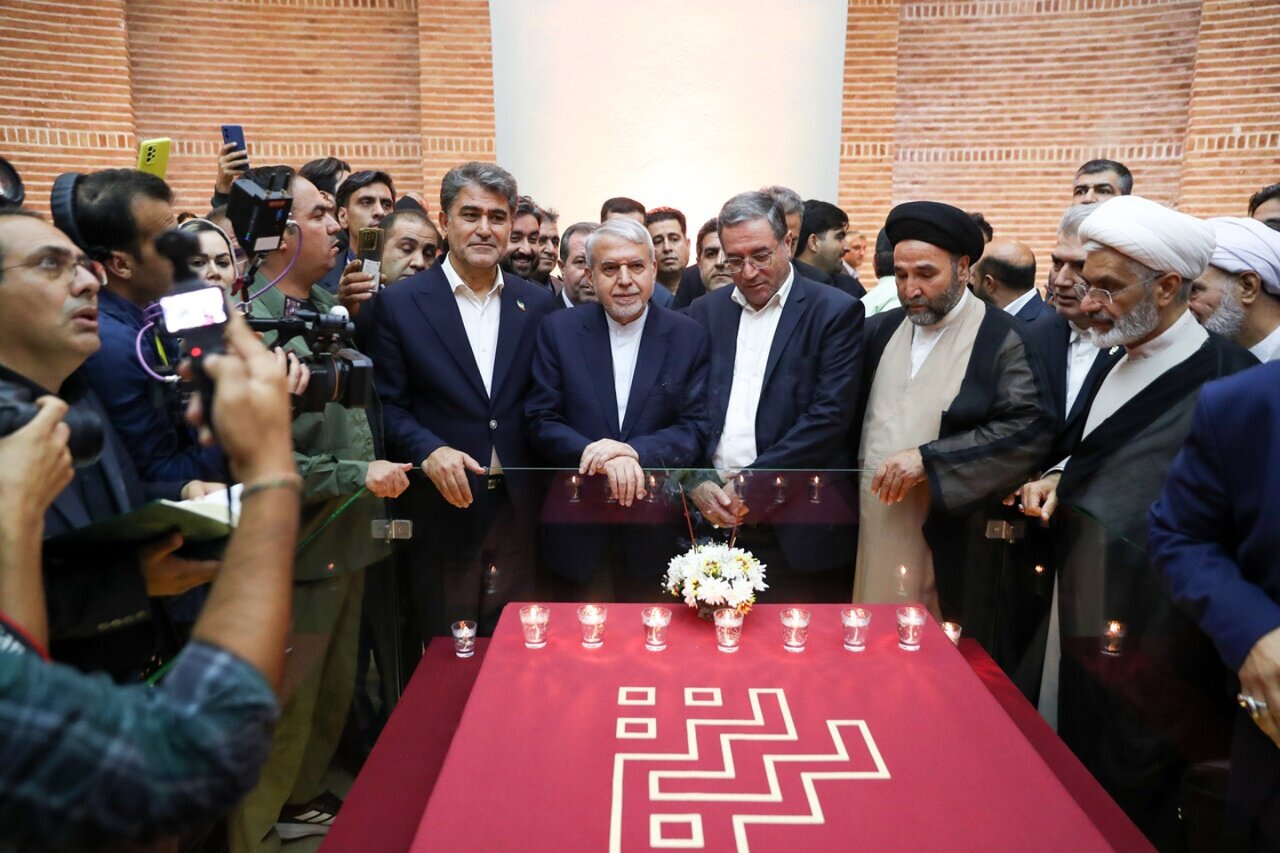
Iran is completing preparations for the UNESCO World Heritage nomination of its historical Asbads, traditional vertical-axis windmills. The nomination requires cooperation among multiple government bodies.
Intelligence analysis by Llama 3.3 70B
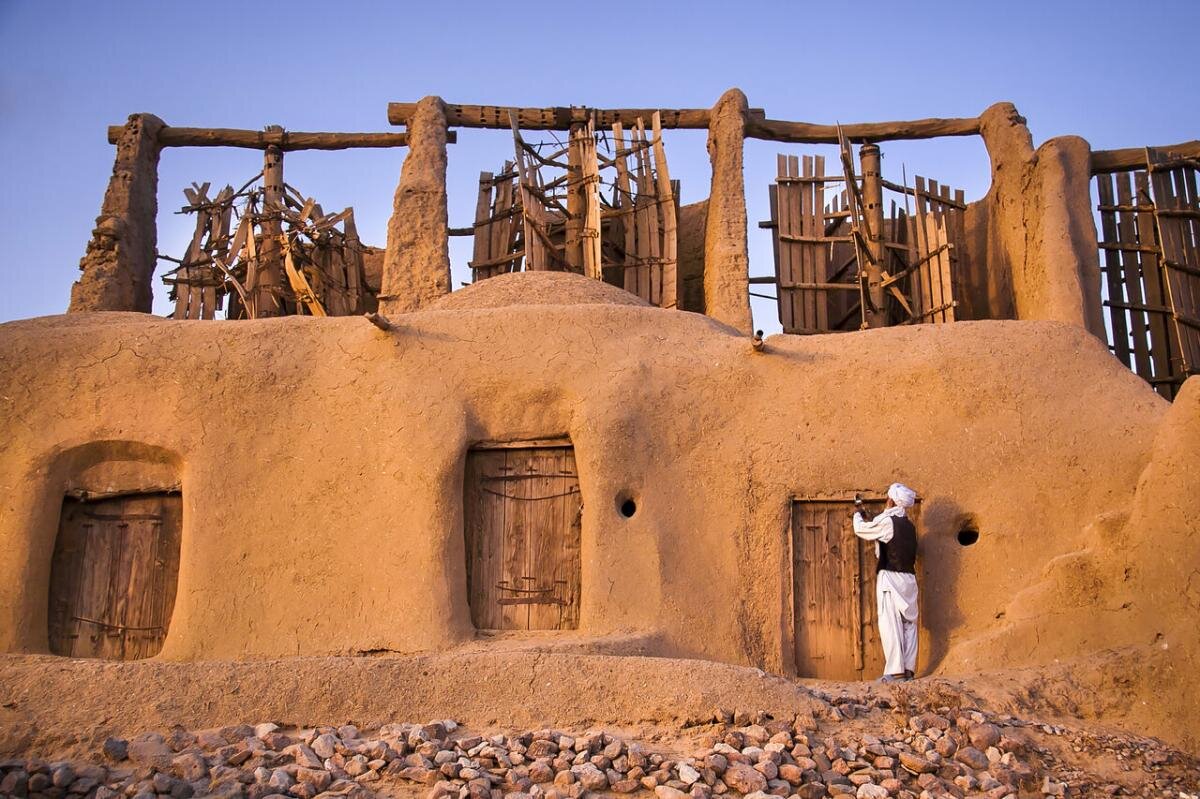
Iran's Asbads, believed to be among the world's earliest industrial machines, date back more than a millennium and are a symbol of the knowledge and ingenuity of earlier generations in harnessing the region's seasonal winds.
Iran has old windmills called Asbads that are very special and help grind grain and pump water. They are like big machines that use wind to work, and people built them a long time ago. Now, Iran wants to tell the world how important these windmills are and get them recognized as a special part of their history.
Analysis
Introduction to Asbads
The Asbads, traditional vertical-axis windmills, are a significant part of Iran's cultural heritage. With approximately 1,400 identified across the country, these structures are a testament to the ingenuity of earlier generations in harnessing the region's seasonal winds. The Asbads are believed to be among the world's earliest industrial machines, dating back more than a millennium.
Historical Significance of Asbads
The Asbads have played a crucial role in the region's history, providing a key source of energy for grinding grain, pumping water, and processing sugarcane. According to technology historian Robert Forbes, the windmill was originally an Iranian innovation that became a key energy source across Islamic territories in the 12th century. The spread of vertical-axis windmills from Iran to other parts of the Islamic world, including Egypt, and later to China during the Mongol era, demonstrates the significance of this technology in the region's history.
Preservation and Recognition Efforts
The Islamic Republic designated the Asbad as a national heritage site in 2002, recognizing its importance in the country's cultural heritage. The current efforts to nominate the Asbads to UNESCO World Heritage status are a significant step towards promoting cultural exchange and tourism, while also recognizing the country's rich cultural heritage. The nomination requires cooperation among multiple government bodies, and the necessary planning has been carried out to advance the nomination dossier. If successful, this recognition could highlight the importance of preserving historical sites and traditional technologies, and promote a greater understanding of Iran's cultural heritage.
Key points
- Iran is finalizing preparations for the UNESCO World Heritage nomination of its historical Asbads
- The Asbads are traditional vertical-axis windmills that date back more than a millennium
- The nomination requires cooperation among multiple government bodies
- The Asbads are a symbol of the knowledge and ingenuity of earlier generations in harnessing the region's seasonal winds
The nomination of Iran's historical windmills to UNESCO World Heritage status could promote cultural exchange and tourism, while also recognizing the country's rich cultural heritage. This recognition could also highlight the importance of preserving historical sites and traditional technologies, and promote a greater understanding of Iran's cultural heritage. Additionally, it could lead to increased investment in the preservation and restoration of these sites, creating jobs and stimulating local economies.
The nomination process may be complex and time-consuming, requiring significant resources and cooperation among multiple government bodies. Additionally, the recognition of Iran's historical windmills as a UNESCO World Heritage site may not necessarily lead to increased tourism or economic benefits, and may also put pressure on local communities to preserve and maintain these sites. Furthermore, the nomination may also be affected by political factors, which could impact the outcome of the nomination process.