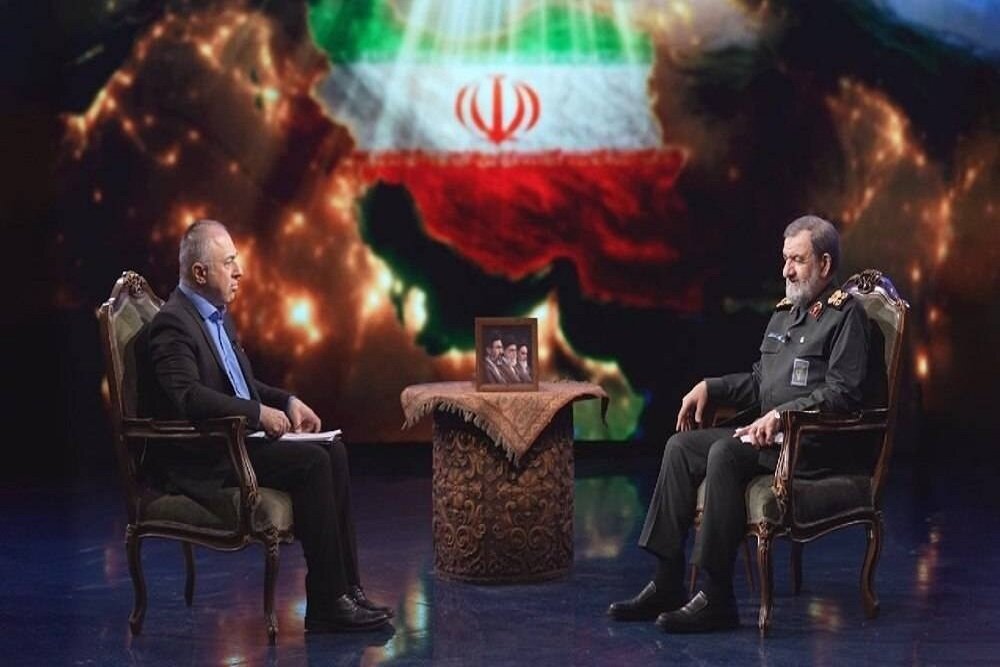
Iran FM warns US against bigger miscalculations over Hormuz
Iranian Foreign Minister Seyyed Abbas Araghchi has warned the US against making an even bigger intelligence miscalculation over the Strait of Hormuz. He stated that US intelligence failures have previously led Washington to miscalculate over the war against Iran, warning …
Intelligence analysis by Llama

Iran's top diplomat, Seyyed Abbas Araghchi, has cautioned the US against making a bigger intelligence miscalculation over the Strait of Hormuz. He pointed out that US intelligence failures have previously led to miscalculations, including the war against Iran, and warned that the same issue could be driving its assessment of the Strait of Hormuz.
Imagine you're playing a game where you need to navigate through a busy waterway. If you don't have good information about the route, you might get lost or even crash. That's kind of what's happening with the Strait of Hormuz, a critical waterway for oil trade. Iran's Foreign Minister is warning the US to be careful and not make mistakes like they did before, or it could lead to big problems.
Analysis
Intelligence Failures and the Strait of Hormuz
Iran's Foreign Minister, Seyyed Abbas Araghchi, has issued a stark warning to the US, cautioning against making a bigger intelligence miscalculation over the Strait of Hormuz. This warning is rooted in the historical context of US intelligence failures, which have previously led to miscalculations, including the war against Iran. Araghchi's statement serves as a reminder of the critical importance of accurate intelligence in preventing further escalation of tensions.
The War Against Iran and Intelligence Failures
The war against Iran, which was sparked by US intelligence failures, serves as a prime example of the devastating consequences of miscalculations. The US, driven by flawed intelligence, launched a military campaign against Iran, which has resulted in significant human suffering and economic losses. Araghchi's warning is a clear indication that the US is at risk of repeating the same mistakes, this time in its assessment of the Strait of Hormuz.
The Strait of Hormuz and Global Oil Trade
The Strait of Hormuz is a critical waterway for global oil trade, with over 20% of the world's oil passing through it. The ongoing tensions between Iran and the US have raised concerns about the safety and security of this vital trade route. Araghchi's warning highlights the need for accurate intelligence to prevent further escalation and ensure the continued flow of oil through the Strait of Hormuz.
Key points
- Iran's Foreign Minister has warned the US against making a bigger intelligence miscalculation over the Strait of Hormuz.
- US intelligence failures have previously led to miscalculations, including the war against Iran.
- The Strait of Hormuz is a critical waterway for global oil trade, with over 20% of the world's oil passing through it.
- Araghchi's warning highlights the need for accurate intelligence to prevent further escalation and ensure the continued flow of oil through the Strait of Hormuz.
If the US and Iran can find a way to work together and share accurate intelligence, it could lead to a reduction in tensions and a safer passage through the Strait of Hormuz. This could also lead to increased cooperation on regional security issues and a more stable Middle East.
If the US continues to make intelligence miscalculations, it could lead to further escalation and increased tensions with Iran. This could result in a complete shutdown of the Strait of Hormuz, causing significant economic losses and global instability.