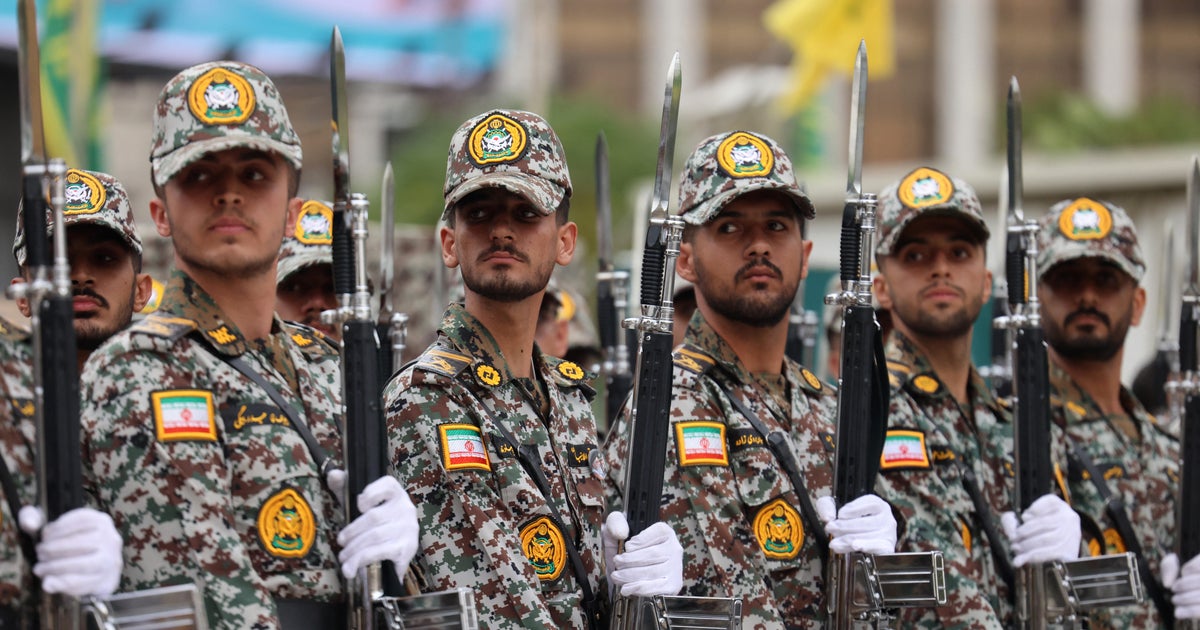
Iran issues new demands over Strait of Hormuz
Iran has issued a new list of demands to the United States, complicating efforts to reopen the critical Strait of Hormuz. NBC News' Keir Simmons reports from Doha.
Intelligence analysis by Llama
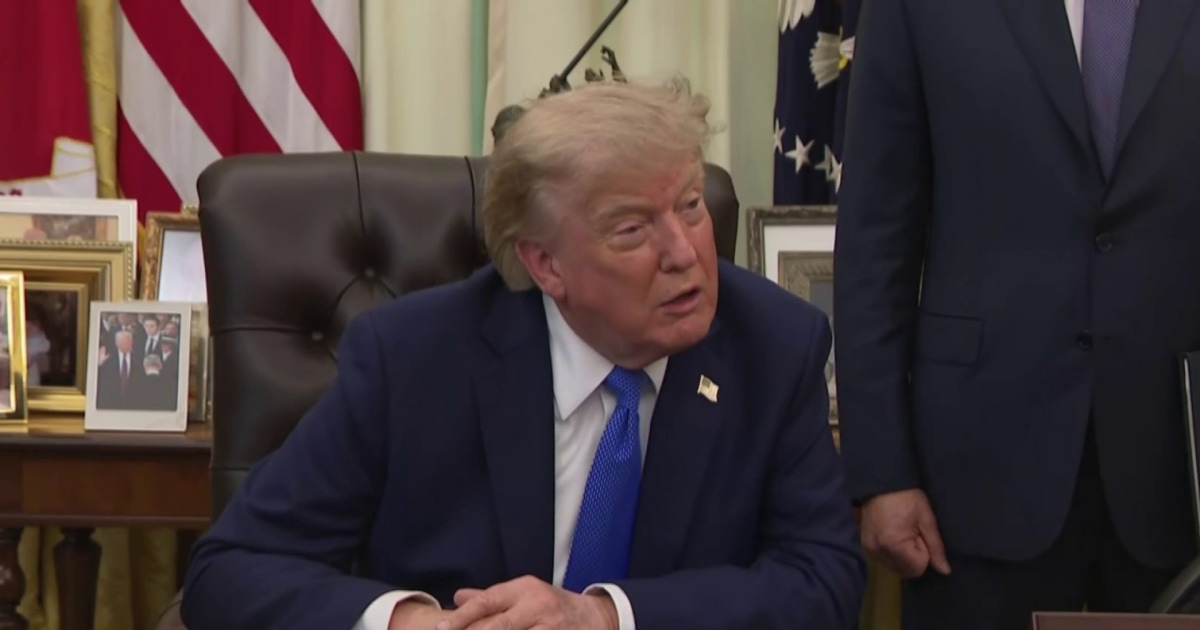
Iran has issued new demands to the US, complicating efforts to reopen the Strait of Hormuz. NBC News' Keir Simmons reports from Doha.
Imagine a big waterway that connects two oceans. This waterway is very important for ships to carry oil and other goods. Iran and the US are having a disagreement about who gets to control this waterway. Iran has made new demands, which means they want the US to do certain things before they will let the waterway open again. This is making it hard for the US and Iran to agree on what to do.
Analysis
Iran's Demands: A New Complication for the Strait of Hormuz
Iran's decision to issue new demands to the United States has added a new layer of complexity to the efforts to reopen the critical Strait of Hormuz. The Strait, which connects the Persian Gulf to the Gulf of Oman, is a key waterway for global trade, and its closure has significant implications for the global economy.
The new demands from Iran are a response to the ongoing tensions between the two countries, which have been exacerbated by the US's withdrawal from the Iran nuclear deal. The demands include a range of issues, from the US's military presence in the region to the country's economic sanctions.
The US has been trying to negotiate a deal with Iran to reopen the Strait, but the new demands have complicated these efforts. The US has said that it will not negotiate with Iran while the country's nuclear program remains a concern, but Iran has insisted that its nuclear program is peaceful.
The situation is further complicated by the fact that the Strait is a critical waterway for the global economy. The closure of the Strait has already had significant implications for the global economy, and the new demands from Iran have added to these concerns.
The Implications of the Closure
The closure of the Strait of Hormuz has significant implications for the global economy. The Strait is a critical waterway for the transportation of oil and other goods, and its closure has already had significant impacts on the global economy.
The closure of the Strait has led to a significant increase in oil prices, which has had a negative impact on the global economy. The closure has also had a significant impact on the global supply chain, with many companies relying on the Strait for the transportation of goods.
The Way Forward
The situation with the Strait of Hormuz is complex and multifaceted. The US and Iran have been trying to negotiate a deal to reopen the Strait, but the new demands from Iran have complicated these efforts.
The US has said that it will not negotiate with Iran while the country's nuclear program remains a concern, but Iran has insisted that its nuclear program is peaceful. The situation is further complicated by the fact that the Strait is a critical waterway for the global economy.
The way forward will depend on the outcome of the negotiations between the US and Iran. If a deal can be reached, it will be a significant step forward in resolving the situation with the Strait of Hormuz. However, if the negotiations fail, the situation could become even more complicated, with significant implications for the global economy.
Key points
- Iran has issued new demands to the US, complicating efforts to reopen the Strait of Hormuz.
- The new demands include a range of issues, from the US's military presence in the region to the country's economic sanctions.
- The US has said that it will not negotiate with Iran while the country's nuclear program remains a concern.
- The closure of the Strait of Hormuz has significant implications for the global economy.
- The situation is further complicated by the fact that the Strait is a critical waterway for the global economy.
If the US and Iran can reach a deal to reopen the Strait of Hormuz, it could lead to a significant decrease in oil prices and a boost to the global economy. Additionally, a reopened Strait could also lead to increased trade and economic cooperation between the two countries.
If the negotiations between the US and Iran fail, it could lead to a prolonged closure of the Strait of Hormuz, which would have significant implications for the global economy. The closure could lead to a significant increase in oil prices, which would have a negative impact on the global economy.