Iran, Kazakhstan advance agricultural ties with focus on extraterritorial cultivation
Iran and Kazakhstan are deepening agricultural cooperation, focusing on extraterritorial cultivation and expanding trade. Bilateral agrifood trade surged 55.8% in 2025, with Kazakhstan's exports up 97%.
Intelligence analysis by Gemini 2.5 Flash Lite
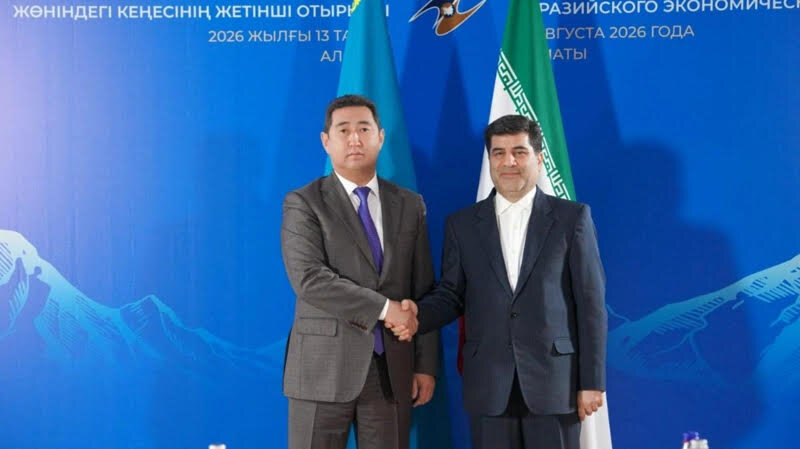
Iran and Kazakhstan are bolstering agricultural ties, with a significant emphasis on extraterritorial cultivation, where Iran plans to farm on Kazakh lands to secure its food supply. This initiative, alongside joint investments and expanded trade, aims to leverage Kazakhstan's resources to overcome Iran's water and soil limitations.
Imagine Iran doesn't have enough space or water to grow all the food its people need. So, it's making a deal with Kazakhstan, which has lots of land and rain, to grow crops there for Iran. It's like borrowing a friend's garden to grow extra vegetables for your family!
Analysis
Extraterritorial Cultivation
The core of the burgeoning agricultural partnership between Iran and Kazakhstan lies in the concept of extraterritorial cultivation. Iran, facing significant challenges with water scarcity and limited arable land, has set an ambitious target of cultivating two million hectares abroad under its Seventh National Development Plan (2023-2027). Kazakhstan, with its vast fertile plains and favorable rainfall, is identified as a prime location for this initiative. The plan aims for approximately 400,000 hectares of such cultivation this year alone, with Kazakhstan being a top priority. This strategy is a direct response to Iran's domestic constraints, including climate change impacts and a growing population, seeking to ensure a stable food supply by utilizing the agricultural potential of partner nations.
Bilateral Trade and Investment Momentum
The agricultural sector is a significant driver of the overall bilateral trade increase between Iran and Kazakhstan. In 2025, agrifood trade saw a substantial 55.8 percent rise, constituting 79 percent of their total bilateral trade. Kazakh agricultural exports to Iran experienced an even more dramatic surge of 97 percent during the same period. This robust growth underscores Kazakhstan's view of Iran as a crucial market for its produce and Iran's commitment to increasing imports. Beyond trade, there's a strong push for joint investments and private sector collaboration. Following President Pezeshkian's visit in December 2025, which resulted in 14 bilateral agreements, private sector representatives signed nine cooperation deals, including significant ones in agriculture and food processing, signaling a shared commitment to deepening economic ties.
Logistics and Market Access
To support this expanding agricultural trade, both nations are prioritizing the enhancement of transport and logistics infrastructure. The International North–South Transit Corridor (INSTC) is a key focus, with efforts to increase its capacity and efficiency. Kazakhstan is also considering offering Iranian companies port access on the Caspian Sea, facilitating smoother transit operations. Furthermore, the discussions touched upon the recognition of halal food standards, a significant area for Iran, which produces all its agricultural and food products in halal form. Achieving mutual recognition within the Eurasian Economic Union (EAEU) framework could unlock access to a market of over 180 million consumers, alongside broader opportunities in Asian markets, further solidifying the strategic importance of this agricultural partnership.
Key points
- Iran and Kazakhstan are expanding agricultural cooperation, focusing on extraterritorial cultivation.
- Kazakhstan's agrifood exports to Iran increased by 97% in 2025, driving bilateral trade growth.
- Iran plans to cultivate 2 million hectares abroad, with Kazakhstan as a priority destination, to address food security.
- Both countries are working to strengthen transport corridors like the INSTC to support trade.
- Discussions included expanding trade in Iranian fruits and recognizing halal food standards within the EAEU.
This collaboration could significantly enhance Iran's food security by diversifying its supply sources and mitigating the impact of domestic environmental challenges. It also presents a substantial opportunity for Kazakhstan to expand its agricultural exports and attract foreign investment, fostering economic growth in its agrifood sector.
Challenges in logistics, potential trade barriers within the EAEU, or unforeseen geopolitical shifts could hinder the full realization of extraterritorial cultivation goals. Furthermore, reliance on foreign lands for food production could expose Iran to supply chain vulnerabilities if partner countries face internal issues.