Iran, Oman edge toward temporary Strait of Hormuz reopening plan, but Tehran demands U.S. lift blockade
Iran and Oman are discussing a proposal to reopen the Strait of Hormuz through a temporary route, but Tehran insists the U.S. must lift its blockade before ships can transit again. China has warned the U.S. against interfering in its interests after Washington declared it…
Intelligence analysis by Llama
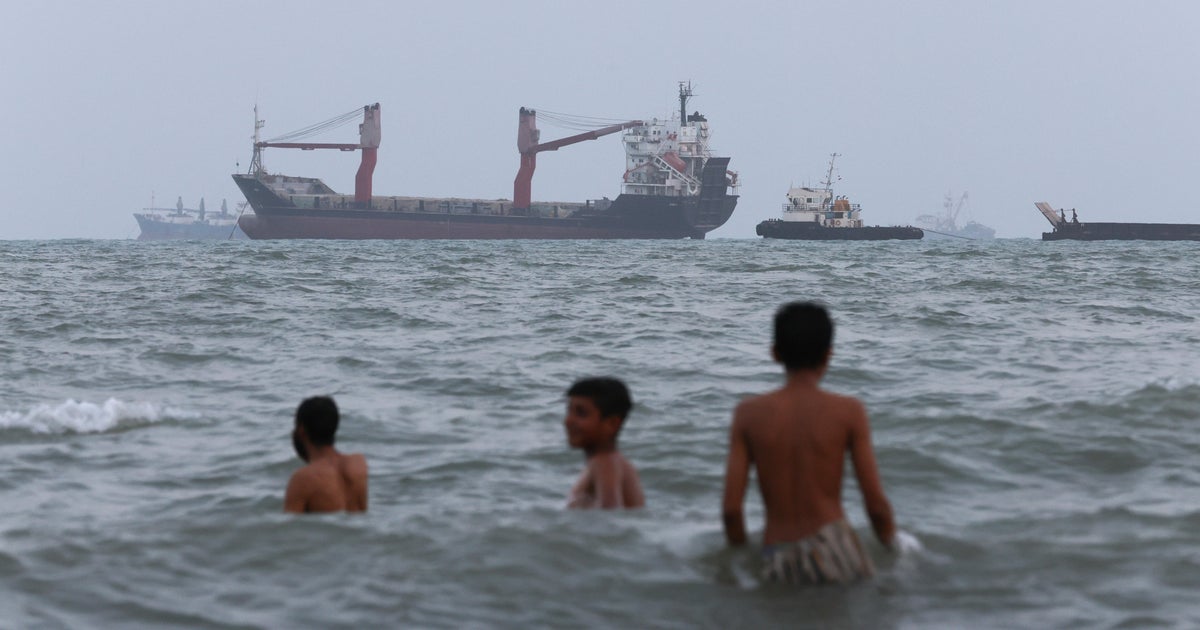
Iran and Oman are close to announcing a temporary reopening of the Strait of Hormuz, but Tehran demands the U.S. lift its blockade first. China has warned the U.S. against interfering in its interests.
Imagine a big waterway that lots of oil ships go through. Iran and Oman are trying to figure out a way to make it safe for ships to go through again. But Iran is saying that the U.S. needs to lift its blockade first. It's like a big traffic jam, and everyone wants to get through the waterway to get to their destination.
Analysis
Strait of Hormuz Reopening Plan
Iran and Oman are close to announcing a temporary reopening of the Strait of Hormuz, a vital waterway for global oil supplies. The proposal includes a specific route and a plan to clear mines, but Tehran insists the U.S. must lift its blockade before ships can transit again.
The U.S. has imposed sanctions on Iran's allies in an attempt to pressure Tehran into submission. However, China has warned the U.S. against interfering in its interests, saying that trade with Iran is within the framework of international law and should not be disrupted.
The Strait of Hormuz is a critical chokepoint for global oil supplies, and any disruption to the waterway could have significant economic implications. The reopening of the Strait is a crucial step towards stabilizing the region and ensuring the free flow of oil.
U.S. Sanctions on Iran's Allies
The U.S. has imposed sanctions on Iran's allies in an attempt to pressure Tehran into submission. However, China has warned the U.S. against interfering in its interests, saying that trade with Iran is within the framework of international law and should not be disrupted.
The sanctions are part of a broader effort by the U.S. to economically asphyxiate Iran. Treasury Secretary Scott Bessent has said that the objective is to sever every economic lifeline that sustains the Iranian regime.
China's Warning to the U.S.
China has warned the U.S. against interfering in its interests, saying that trade with Iran is within the framework of international law and should not be disrupted. The U.S. has imposed sanctions on Chinese banks that finance Iranian oil imports, but China has said that no one is above the reach of U.S. sanctions.
The warning from China is significant, as it suggests that the U.S. may face pushback from other countries if it continues to impose sanctions on Iran's allies.
Key points
- Iran and Oman are close to announcing a temporary reopening of the Strait of Hormuz.
- Tehran insists the U.S. must lift its blockade before ships can transit again.
- China has warned the U.S. against interfering in its interests.
- The U.S. has imposed sanctions on Iran's allies in an attempt to pressure Tehran into submission.
- The sanctions are part of a broader effort by the U.S. to economically asphyxiate Iran.
If the U.S. and Iran can come to an agreement on the reopening of the Strait of Hormuz, it could lead to a significant decrease in tensions in the region. This could also lead to an increase in oil supplies, which could have a positive impact on the global economy.
If the U.S. and Iran cannot come to an agreement on the reopening of the Strait of Hormuz, it could lead to a significant increase in tensions in the region. This could also lead to a decrease in oil supplies, which could have a negative impact on the global economy.