Iran, Pakistan Emphasize Developing Cooperation Centered on Chabahar-Gwadar
Iran and Pakistan emphasized the development of cooperation centered on Chabahar-Gwadar, with a focus on the strategic capacities of the free zones, ports, and border crossings. The two sides welcomed the proposal to use barter trade between the two countries to neutraliz…
Intelligence analysis by Llama
Iran and Pakistan are expanding economic and commercial cooperation, with a focus on the strategic capacities of Chabahar-Gwadar and the border regions of Rimdan-Gabd. The two sides welcomed the proposal to use barter trade to neutralize sanctions.
Iran and Pakistan are working together to develop their economic and trade relationships. They want to use special areas called free zones and ports to make it easier for people and goods to move between the two countries. This will help them to trade more and grow their economies.
Analysis
A $60B Vote of Confidence
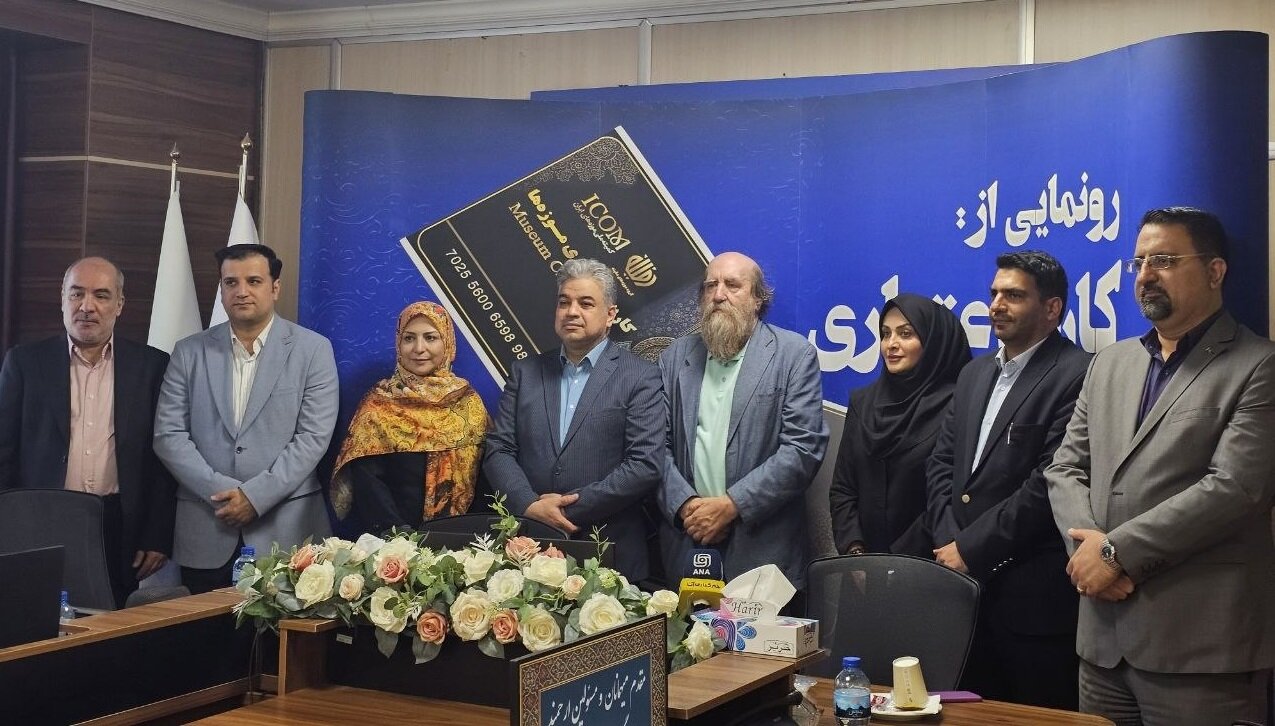
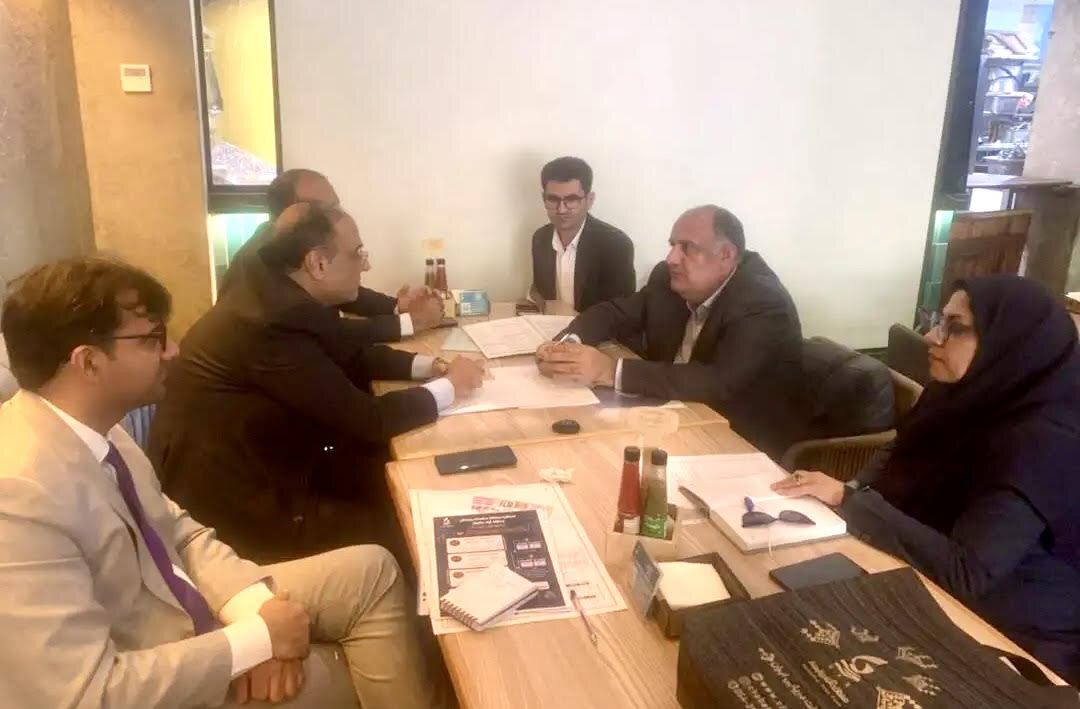
The CEO of the Chabahar Free Zone Organization, Mohammad Saeid Arbabi, met with the new Pakistani ambassador, Imran Ahmed Siddiqui, to discuss the development of economic, commercial, transit, and investment cooperation between the two countries. The meeting emphasized the importance of maximizing the use of the capacities of free zones, ports, and border crossings to strengthen bilateral relations, develop trade, and increase regional interactions. Arbabi stated that the Chabahar Free Zone, as the only oceanic free zone of Iran, holds a strategic position in international transport, trade, and transit corridors. He described the development of joint cooperation between the Chabahar and Gwadar free zones as a foundation for increasing economic exchanges, attracting joint investments, developing logistics chains, and strengthening the region's role in international trade.
Why Cursor?
The two sides emphasized the necessity of accelerating the creation of infrastructure facilitating border trade. Arbabi stated that establishing a new independent joint border gate between Iran and Pakistan within the area of the detached Rimdan region of the Chabahar Free Zone is one of the important and necessary measures to facilitate and streamline the movement of trucks carrying import, export, and transit goods between Rimdan and Gabd. He added that the operation of this border gate can play an effective role in developing commercial exchanges and realizing the 10-billion-dollar trade program, enhancing the status of the Rimdan-Gabd axis, and turning this region into one of the important hubs of border trade between the two countries.
The Road Ahead
The two sides also emphasized the important role of free zones, ports, and border crossings in realizing the goals of economic diplomacy and the neighborhood policy of Iran. They evaluated the utilization of the capacities of the ports and free zones of Chabahar-Gwadar and the Rimdan-Gabd joint free zone as a strategic factor for the development of trade, transit, and economic connectivity in the region and among the member states of the Economic Cooperation Organization (ECO). This meeting was held in line with expanding the economic relations between Iran and Pakistan, strengthening regional cooperation, and using shared capacities for sustainable development and increasing bilateral and multilateral economic convergence between Iran and Pakistan and among the countries of the region.
Key points
- Iran and Pakistan are expanding economic and commercial cooperation.
- The two sides welcomed the proposal to use barter trade to neutralize sanctions.
- The development of cooperation between Iran and Pakistan is crucial for the economic growth and stability of the region.
- The proposal to use barter trade is a significant step towards increasing economic growth and stability in the region.
The development of cooperation between Iran and Pakistan is a positive step towards strengthening economic relations between the two countries. The proposal to use barter trade to neutralize sanctions is a significant step towards increasing economic growth and stability in the region. If this development plays out positively, it could lead to increased trade, investment, and economic growth in the region.
The development of cooperation between Iran and Pakistan is not without its challenges. The sanctions imposed on Iran could still have a negative impact on the country's economy, and the proposal to use barter trade may not be enough to neutralize their effects. Additionally, the region is still recovering from the effects of the COVID-19 pandemic, which could impact the economic growth and stability of the region.