Iran says deal on Strait of Hormuz is close but will not open the waterway by itself
Iran says a deal with Oman on control of the Strait of Hormuz is close but will not be enough to free up the waterway. The deal would give Tehran control over ships entering the Gulf through the strait.
Intelligence analysis by Llama
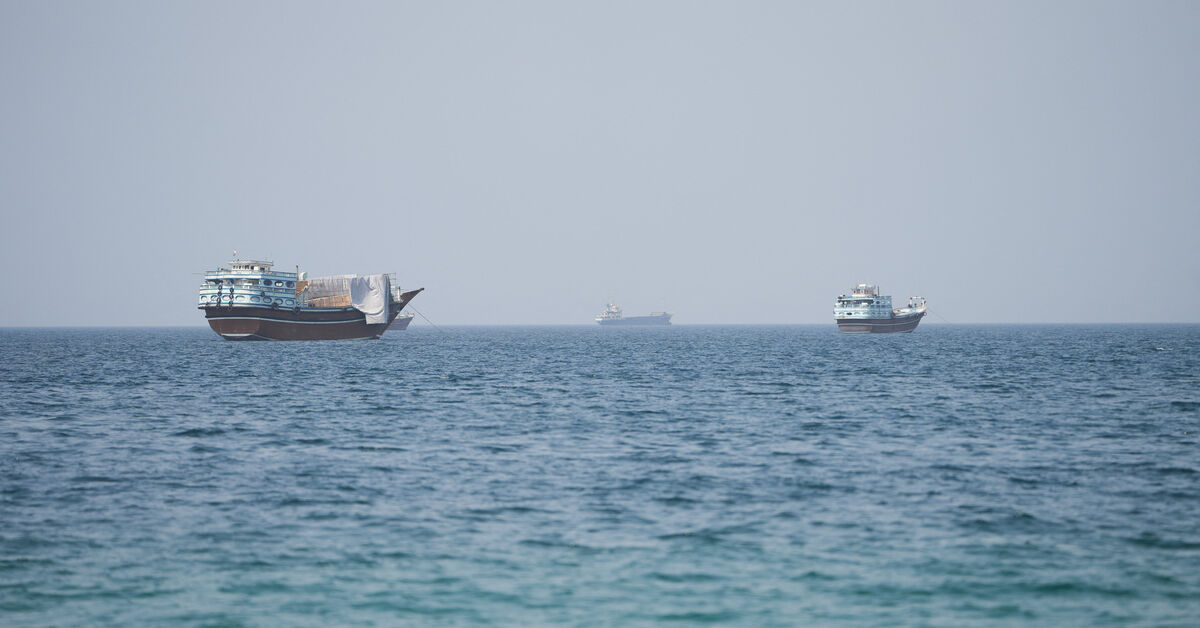
Iran and Oman are close to an agreement on a new shipping route through the Strait of Hormuz, but Iran will not reopen the waterway until other conditions are met, including US compensation to Iran. The deal would give Iran control over ships entering the Gulf through the strait.
Imagine a big waterway that lots of ships use to carry oil and gas. Iran and the US are fighting, and Iran is blocking the waterway. Iran wants the US to pay them money and let them control the ships that go through the waterway. This is making it hard for ships to get through and is causing problems for people who need oil and gas.
Analysis
Iran's Conditions for Reopening the Strait of Hormuz
Iran has made it clear that it will not reopen the Strait of Hormuz until its conditions are met. These conditions include US compensation to Iran and the acceptance of Iran's control over ships entering the Gulf through the strait. Iran has used the hostilities to justify charging a toll on oil tankers, and the firing on ships that attempt to cross the strait without its permission has badly disrupted global shipments.
The Proposed Deal Between Iran and Oman
A proposed deal between Iran and Oman would give Tehran control over ships entering the Gulf through the strait. This is a significant concession to Iran, and it is unclear whether the US has sought to change the parameters of the deal. Iran has used the hostilities to justify charging a toll on oil tankers, and the firing on ships that attempt to cross the strait without its permission has badly disrupted global shipments.
The Impact of the Conflict on Global Shipments
The conflict between Iran and the US has disrupted global shipments, causing energy prices to surge and fueling inflation. The attacks on ships have killed one crew member and wounded 20 others, and the conflict has also led to increased attacks by Iran's Yemen-based allies, the Houthis, who have targeted ships at another oil chokepoint on the other side of the Arabian Peninsula.
Key points
- Iran says a deal with Oman on control of the Strait of Hormuz is close but will not be enough to free up the waterway.
- The deal would give Tehran control over ships entering the Gulf through the strait.
- Iran will not reopen the waterway until other conditions are met, including US compensation to Iran.
- The conflict between Iran and the US has disrupted global shipments, causing energy prices to surge and fueling inflation.
- The attacks on ships have killed one crew member and wounded 20 others.
If the deal between Iran and Oman is successful, it could lead to a reduction in tensions between Iran and the US, and a reopening of the Strait of Hormuz. This could lead to a decrease in energy prices and a reduction in the impact of the conflict on global shipments.
If the deal between Iran and Oman fails, it could lead to further escalation of the conflict between Iran and the US, and a continued disruption of global shipments. This could lead to a continued increase in energy prices and a worsening of the economic impact of the conflict.