Iran says deal on Strait of Hormuz is close but will not open the waterway by itself
Iran said on Saturday that a deal with Oman on control of the Strait of Hormuz was close but would not be enough to free up the waterway. Iranian Foreign Minister Abbas Araqchi said Iran and Oman were 'very close' to agreement on a new shipping route through the Strait of…
Intelligence analysis by Llama
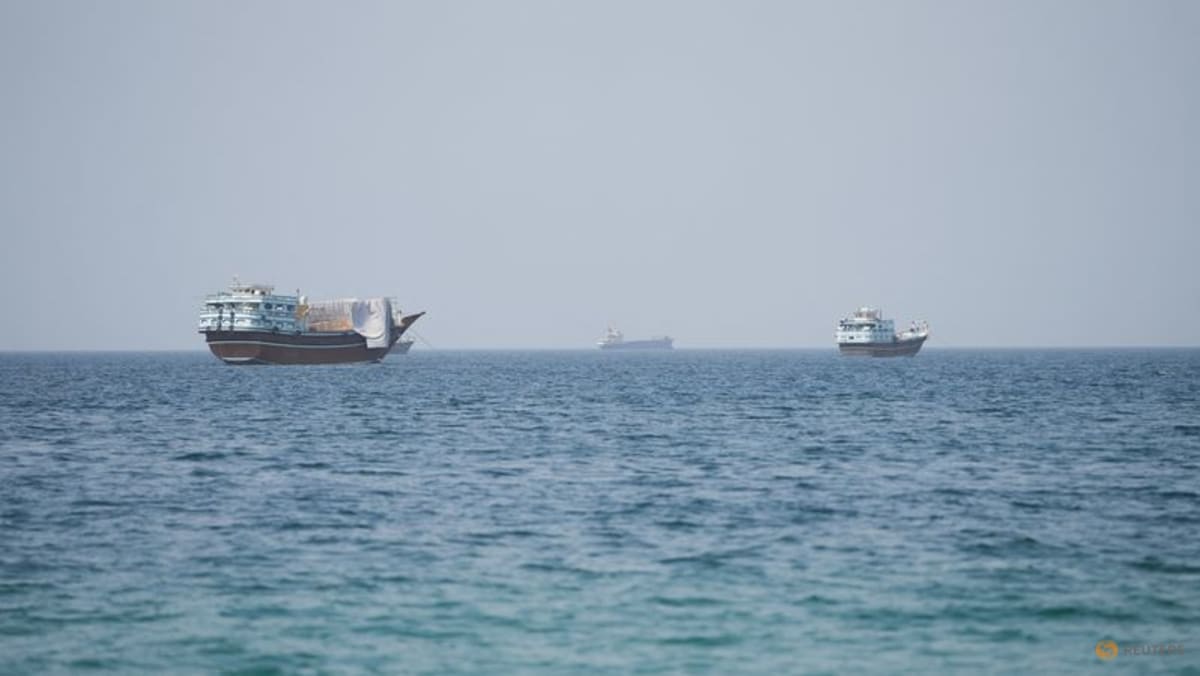
Iran and Oman are close to a deal on control of the Strait of Hormuz, but Iran will not open the waterway by itself. The deal depends on US compensation to Iran and other conditions.
Imagine a big waterway called the Strait of Hormuz that connects the Middle East to the rest of the world. Iran and Oman are trying to agree on how to control this waterway. Iran wants the US to give them some money and concessions in exchange for reopening the waterway. If they agree, it could help end a big conflict and make it easier for oil to be shipped around the world.
Analysis
Iran's Conditions for Reopening the Strait of Hormuz
Iran's Foreign Minister Abbas Araqchi said that reopening the Strait of Hormuz depended on other conditions, including US compensation to Iran. This suggests that Iran is seeking concessions from the US in exchange for reopening the strait.
The Proposed Deal Between Iran and Oman
A proposed deal between Iran and Oman to help end five months of war between Iran and the US and Israel would give Iran some control over the Strait of Hormuz. The deal would allow Iran to control inbound traffic, but it is unclear what other conditions would be included.
The Impact of the Deal on Global Oil Markets
The deal on the Strait of Hormuz is crucial to a wider agreement to end the conflict that began with US and Israeli attacks on Iran on Feb 28. The conflict has affected shipping in the narrow strait, which carried a fifth of the world's oil and gas shipments before the war. If the deal is reached, it could lead to a significant increase in oil shipments through the strait, which could have a positive impact on global oil markets.
The Role of the US in the Deal
The US has repeatedly signalled that a deal to open the strait could be close, only to have Iran deny that talks are under way. It is unclear whether the latest flurry of negotiations will yield a more lasting arrangement. The US has said that it will lift the blockade of Iranian ports once a deal is announced to restore commercial shipping without impediments.
Key points
- Iran and Oman are close to a deal on control of the Strait of Hormuz.
- The deal depends on US compensation to Iran and other conditions.
- The conflict between Iran and the US and Israel has affected shipping in the narrow strait.
- The deal could lead to a significant increase in oil shipments through the strait.
- The US has said that it will lift the blockade of Iranian ports once a deal is announced to restore commercial shipping without impediments.
If the deal is reached, it could lead to a significant increase in oil shipments through the strait, which could have a positive impact on global oil markets. The deal could also help end the conflict that began with US and Israeli attacks on Iran on Feb 28.
However, the deal is not yet certain, and there are still many conditions that need to be met. If the US does not accept Iran's conditions, the deal may not be reached, and the conflict could continue.