Iran says it has not yet reached a conclusion on recognizing the Taliban government
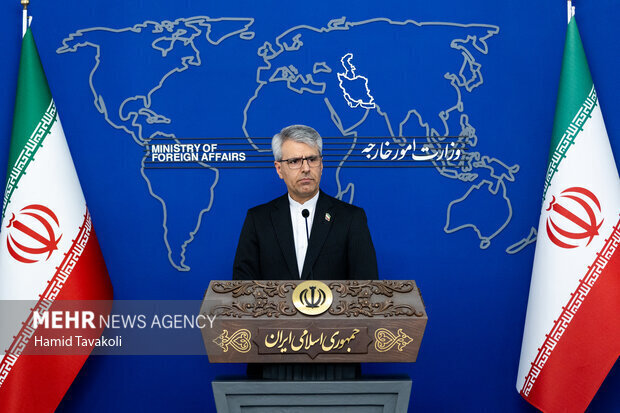
Iran's Foreign Ministry spokesperson Esmaeil Baghaei says Tehran has not concluded whether to formally recognize the Taliban government five years after it took power, while stressing that relations with Afghanistan continue across multiple sectors.
Intelligence analysis by Llama
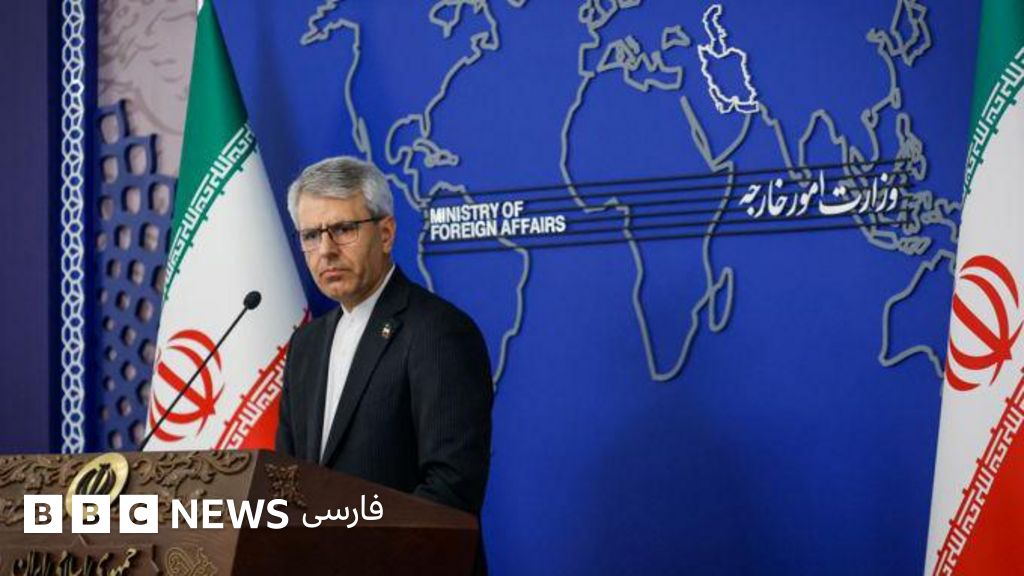
Five years into Taliban rule, Iran publicly keeps recognition on the table without committing to it, even as its ambassador in Kabul had suggested the process would not take long. Tehran insists practical ties — including booming trade — are independent of the legal question.
Imagine your friend's new team of captains took over the playground five years ago. Most grown-ups haven't said "yes, you can be captains for real," but they still let them play. Iran says it still hasn't decided if it will officially say yes, even though it lets them play every day and even buys things from them.
Analysis
Esmaeil Baghaei's August 17 Press Conference
Speaking to reporters on Monday, August 17, Iranian Foreign Ministry spokesperson Esmaeil Baghaei was explicit that, after five years of Taliban rule, no final decision has been made. His framing separated two tracks: practical cooperation and the legal-political question of recognition. "Whenever we reach a conclusion, we will make the necessary decision," he said, treating recognition as a deferred file rather than an active process. He also pushed back against the idea that recognition should be a precondition for expanding ties, arguing that Iran and Afghanistan should "use the existing economic and commercial capacities" as neighboring, Muslim states with deep cultural overlap. The absence of a timeline signals that Tehran is content to keep its ambiguity as leverage, particularly on issues like water-sharing, border management, and the millions of Afghan migrants living in Iran.
Alireza Bigdeli's February Prediction
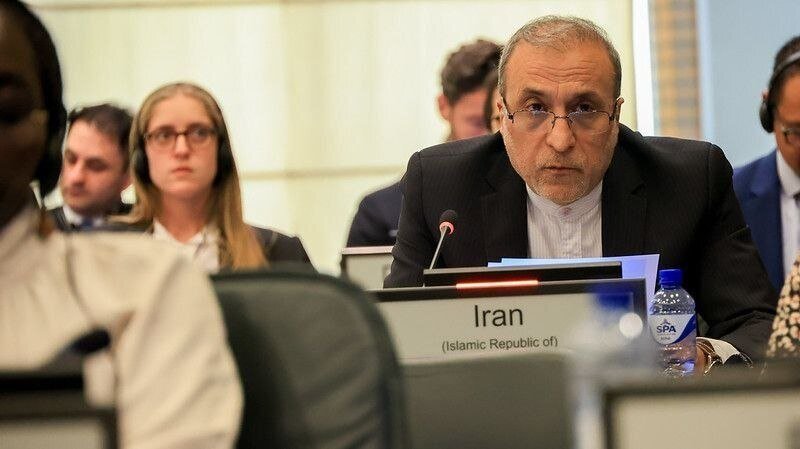
The current official caution sits in tension with comments made roughly six months earlier by Alireza Bigdeli, Iran's ambassador in Kabul. In an interview with Tolo News, Bigdeli said talks on recognition were underway and "would not take very long," adding that there was no obstacle in Tehran's path and that the Islamic Republic had in practice established "kinship and brotherly" relations with the Taliban. The gap between Bigdeli's upbeat forecast and Baghaei's bureaucratic non-answer suggests internal disagreement inside Iran's foreign policy apparatus, or a deliberate recalibration once the political costs of formal recognition became clearer. Either way, the public posture has cooled: the legal question is back in the drawer, and the language of pragmatism — trade, shared culture, neighborhood — has been elevated to do the work that recognition would otherwise do.
The July 3 Funeral Controversy
A more visible irritant in the relationship surfaced on July 3, when Tehran hosted the funeral of Ali Khamenei, the former Iranian leader. The guest list included both senior Taliban figures — Deputy Prime Minister Abdul Ghani Baradar and Foreign Minister Amir Khan Muttaqi — and prominent Taliban opponents Ahmad Massoud and Mohammad Mohaqiq. Muttaqi publicly described the dual invitation as not "a good thing" and said Taliban officials had "complained" to Iranian counterparts. The episode illustrates why Iran is reluctant to make a binding commitment of recognition: it has cultivated ties across Afghanistan's fractured political landscape, including with the Northern Alliance–aligned figures, and full recognition would force Tehran to choose sides in ways that complicate its hedging strategy. As long as Iran benefits from being everyone's neighbor, the status quo of operational engagement without formal endorsement remains the most useful position — and Baghaei's comments suggest it is the position Iran intends to hold for the foreseeable future.
Key points
- Iran's Foreign Ministry says no conclusion has been reached on formally recognizing the Taliban government, five years after it took power in 2021.
- Spokesperson Esmaeil Baghaei said recognition is a 'legal and political' question and that practical relations with Afghanistan will continue regardless.
- Iran's ambassador in Kabul had said in February that recognition talks were underway and 'would not take very long,' highlighting a visible shift in tone.
- Iran has become one of Afghanistan's most important trading partners and maintains extensive operational cooperation, alongside China and Russia.
- Tehran's July 3 hosting of both Taliban officials and anti-Talban figures at a state funeral drew a public complaint from Taliban Foreign Minister Amir Khan Muttaqi.
If Iran eventually moves toward formal recognition, it could unlock deeper trade and transit agreements, stabilize the border, and reduce friction over water and migration management. Recognition would also bring Iran diplomatic cover for its already extensive economic footprint in Afghanistan and could pull other regional players toward a more coordinated engagement strategy.
Continued ambiguity allows Tehran to keep hedging, but it also leaves the relationship exposed to incidents like the July 3 funeral controversy, where the Taliban publicly complained about being hosted alongside their opponents. Without a defined framework, disputes over water rights, refugee deportations, and cross-border security could escalate, and Iran's ties with anti-Taliban Afghan factions risk being sacrificed the moment recognition is granted.