Iran says won't allow UN inspectors at bombed nuclear sites
Iran denied claims that it agreed to allow UN inspectors to visit bombed nuclear sites. The country is currently in talks with the US to end the Middle East war.
Intelligence analysis by Llama 3.3 70B
Iran's foreign ministry spokesman said the country has not had a meeting with the IAEA director general, nor do they have plans for the agency to inspect damaged nuclear facilities.
Imagine a big conflict between two countries, Iran and the US, that's affecting many people and the global economy. They're trying to talk and make a deal, but it's not easy. Iran doesn't want to let some international inspectors visit their nuclear sites, which is making things harder.
Analysis
Iran's Nuclear Program Under Scrutiny
The Iranian government's decision to deny access to UN inspectors is a significant development in the ongoing talks with the US. According to the foreign ministry spokesman, Esmaeil Baqaei, the country has not had a meeting with the IAEA director general, nor do they have plans for the agency to inspect damaged nuclear facilities. This move is likely to raise concerns among the international community, particularly in the US, which has been a strong advocate for Iran's nuclear program to be transparent and verifiable.
The US Vice President, JD Vance, had earlier claimed that Tehran had agreed to invite IAEA inspectors back to the country, but this was denied by Iran's UN ambassador, Ali Bahreini. The discrepancy in statements highlights the challenges faced by the two countries in reaching a mutually acceptable agreement.
Diplomatic Efforts to End the Middle East War
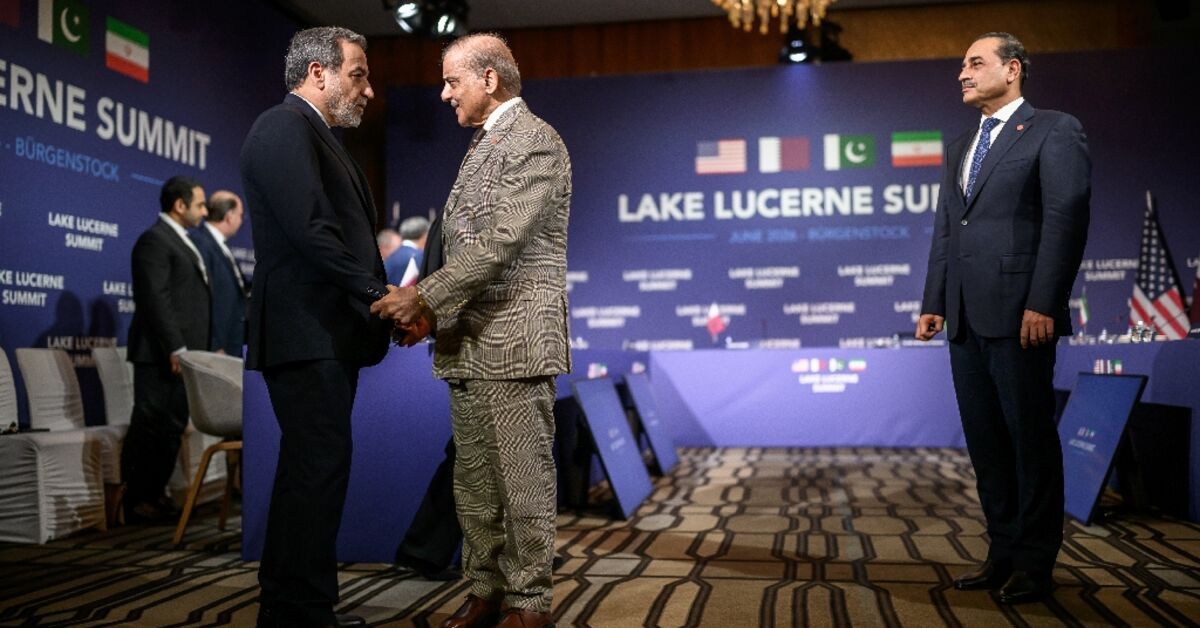
The talks between Iran and the US are part of a broader effort to end the Middle East war, which has been ongoing for over a year. The conflict has had devastating consequences for the region, including the loss of thousands of lives, displacement of people, and significant damage to infrastructure. The US and Iran have agreed to a 60-day period to settle broader issues, including Iran's nuclear program and sanctions relief.
The diplomatic efforts are being facilitated by mediators, including Pakistan and Qatar, which have played a crucial role in bringing the two sides to the negotiating table. The first round of talks, which concluded in Switzerland, raised hopes for a lasting settlement of the conflict and pushed down oil prices. However, the denial of access to UN inspectors by Iran may complicate the negotiations and raise concerns among the international community.
Regional Security and the Strait of Hormuz
The Strait of Hormuz, a vital trade route, has been a major point of contention between Iran and the US. Tehran's top negotiator, Ghalibaf, said that the strait would never return to its pre-war conditions and would be administered by the Islamic Republic of Iran, in accordance with international law. This statement has significant implications for regional security and the global economy, as the strait is a critical chokepoint for oil exports.
The US Secretary of State, Marco Rubio, is scheduled to visit Gulf allies, including the United Arab Emirates, Kuwait, and Bahrain, to discuss the deal with Tehran, the Hormuz strait, and regional security. The comments of Rubio, an ardent Iran hawk, will be closely watched, particularly in the context of the denial of access to UN inspectors by Iran.
Key points
- Iran denied claims that it agreed to allow UN inspectors to visit bombed nuclear sites
- The country is currently in talks with the US to end the Middle East war
- The US and Iran have agreed to a 60-day period to settle broader issues, including Iran's nuclear program and sanctions relief
If the talks between Iran and the US are successful, it could lead to a lasting settlement of the conflict, which would have significant benefits for the region and the global economy. The agreement could also pave the way for increased cooperation between the two countries on issues such as nuclear non-proliferation and regional security.
The denial of access to UN inspectors by Iran may complicate the negotiations and raise concerns among the international community. If the talks fail, it could lead to further escalation of the conflict, which would have devastating consequences for the region and the global economy.