Iran seeks more control of Strait of Hormuz as oil and gas prices climb
Iran announced plans for a maritime "exclusion zone" in the Strait of Hormuz, escalating tensions with the U.S. following American strikes on Iranian oil tankers. This geopolitical friction has driven Brent crude oil prices to a nearly seven-week high, pushing U.S. gas pr…
Intelligence analysis by Gemini 2.5 Flash
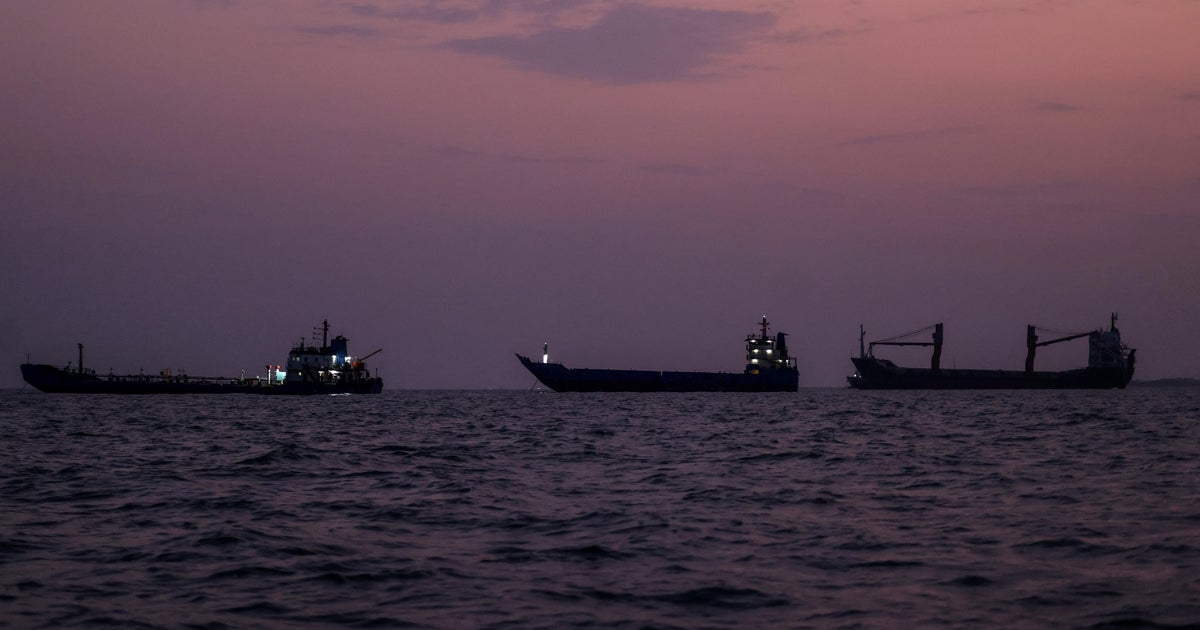
Tehran intends to assert greater control over the critical Strait of Hormuz by establishing an "exclusion zone," a move that comes amidst heightened military exchanges with the U.S. The escalating conflict, including recent U.S. strikes on Iranian oil tankers and Iran's threats of a "more intense" retaliation, is directly contributing to a sharp rise in global oil prices and domestic …
Imagine a very important road that many trucks use to carry oil from one place to another. Iran, a country nearby, is saying it wants to control who can use a big part of this road, especially after some arguments and fights with the U.S. Because of this, people are worried that less oil will get through, which makes the oil that *does* get through more expensive. This means that when grown-ups fill up their cars with gas, it costs them more money, just like when your favorite toy becomes super popular and its price goes up!
Analysis
The recent announcement by Iran regarding an "exclusion zone" in the Strait of Hormuz marks a significant escalation in regional tensions, with direct implications for global energy security and the U.S. economy. This move follows a series of retaliatory actions, including U.S. strikes on Iranian oil tankers and Iran's threats of a more forceful response. The Strait of Hormuz is a critical chokepoint for international oil shipments, and any attempt by Iran to restrict passage could severely disrupt supply chains and further inflate energy costs worldwide.
Strait of Hormuz
The Strait of Hormuz is one of the world's most strategically important waterways, connecting the Persian Gulf to the open ocean. A substantial portion of the world's seaborne oil passes through this narrow channel, making it vital for global energy markets. Iran's declared intention to establish an "exclusion zone" and stop vessels without its permission directly challenges international maritime law and freedom of navigation, raising concerns about potential confrontations with naval forces, including those of the United States. The article notes that crude oil traffic through the Strait has already plunged, and Iran has refused to reopen the waterway, indicating a pre-existing disruption that this new declaration would formalize and intensify.
Mohsen Rezaei
Mohsen Rezaei, the new head of Iran's Supreme National Security Council, made the announcement regarding the "exclusion zone," signaling a hardening of Iran's stance. His comments, delivered to Iran's state broadcaster, came with few immediate details but indicated the zone would extend from the line of the U.S. naval blockade towards the Strait and into the Persian Gulf. Rezaei's statement underscores Iran's determination to respond to perceived aggressions, such as the U.S. strikes on three Iranian oil tankers in the Persian Gulf and Gulf of Oman. This rhetoric, coupled with the Parliament speaker Mohammad Bagher Ghalibaf's threat of a "faster, more intense and more painful response," suggests a calculated escalation from Tehran.
Brent crude
The geopolitical developments have had an immediate and tangible impact on energy markets, with Brent crude, the international standard for oil, briefly hitting nearly $97 per barrel. This represents a significant increase, continuing an 8% rise from the previous week. In the U.S., the average price of regular gas climbed to $4.14 a gallon heading into Labor Day weekend, nearly a dollar higher than the previous year and a record for any Labor Day weekend. These price surges are directly attributed to the instability in the Middle East and the reduced flow of oil through the Strait of Hormuz, highlighting how regional conflicts can quickly translate into economic burdens for consumers globally.
Key points
- Iran plans to announce a maritime "exclusion zone" in the Strait of Hormuz, intending to stop vessels without its permission.
- The announcement follows U.S. strikes on three Iranian oil tankers and Iran's threats of a "more intense and more painful" retaliation.
- Brent crude oil prices briefly reached nearly $97 per barrel, a seven-week high, continuing an 8% rise from the previous week.
- U.S. average regular gas prices hit $4.14 a gallon, nearly a dollar higher than last year's Labor Day weekend and a new record.
- The speaker of Iran's Parliament stated that the era of "proportionate responses" has ended, signaling more forceful reactions to U.S. aggression.
The current trajectory points towards a significant escalation of military tensions between Iran and the U.S., potentially leading to direct conflict in the Strait of Hormuz. This could severely disrupt global oil supplies, causing a sustained surge in energy prices and contributing to broader economic instability worldwide.
Market signals
- OIL The article explicitly states Brent crude prices hit a nearly seven-week high and continued to climb due to escalating tensions and supply route risks in the Strait of Hormuz.
- Gasoline The average price of regular gas in the U.S. was reported to be significantly higher than last year, directly linked to rising crude oil prices and regional instability.
AI-generated analysis of potential market relevance. Not financial advice.