Iran strikes U.S. bases in Jordan after U.S. strike on Larak
Iran launches missiles at U.S. bases in Jordan in retaliation for U.S. strike on Larak Island near Strait of Hormuz.
Intelligence analysis by Qwen 2.5 (3B)
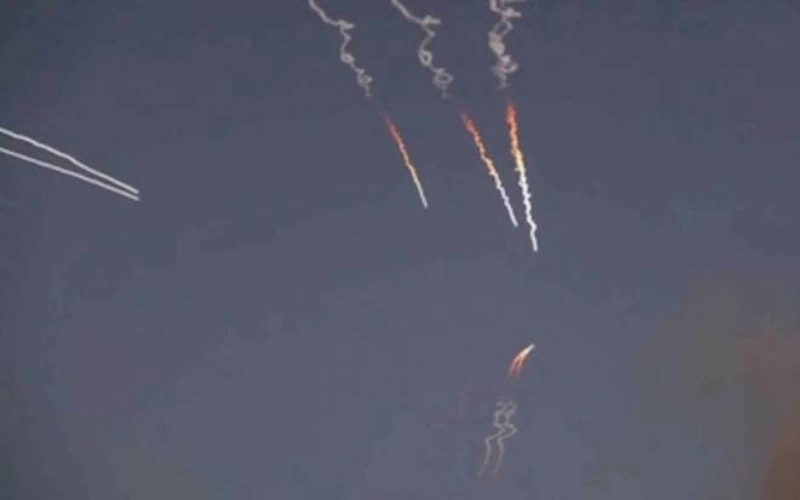
Iran retaliates for U.S. strike on Larak Island by launching missiles at U.S. bases in Jordan, escalating tensions in the region.
Iran and the U.S. are fighting over a place called the Strait of Hormuz. Iran used missiles to hurt U.S. bases in Jordan, and the U.S. used a bomb to hurt some Iranian stuff near the Strait. This made oil prices go up, and people are worried it might cause problems with oil supplies.
Analysis
{"
Iranian Retaliation Against U.S. Bases in Jordan":"The Islamic Revolutionary Guard Corps (IRGC) launched ballistic missiles at U.S. military facilities in Jordan, including the King Hussein and Al Azraq bases, in response to a U.S. strike on Iranian forces near the Strait of Hormuz. The IRGC claimed to have caused heavy damage, while Jordan's military reported intercepting eight missiles. This retaliation follows a U.S. operation against Iranian forces on Larak Island, where the U.S. claimed to have neutralized Iranian minelaying forces. The IRGC described the attack as a response to U.S.-Israeli aggression.","
Hormuz Strait Tensions":"The Strait of Hormuz is a critical shipping route for oil, carrying about one-fifth of the world's oil supply. Any disruption could affect global energy markets, shipping costs, and inflation. The latest escalation has led to oil prices rising above $90 per barrel in Brent crude and $85 per barrel in U.S. West Texas Intermediate. The U.S. Central Command stated that the operation was defensive and aimed at preventing an imminent threat to shipping.","
Diplomatic Efforts and Economic Pressure":"Efforts to ease the conflict have faced renewed pressure due to the latest exchange of fire. Iran has previously targeted U.S. military facilities and allies in the region, while the U.S. has increased pressure through both military and economic measures. The Trump administration has also relied on economic measures, including sanctions, to target Iran's revenue generation and international trade. Critics of the administration have questioned the effectiveness of the military campaign and the risks to U.S. forces and the wider region."}
Key points
- Iran retaliates with missiles at U.S. bases in Jordan
- U.S. strikes Iranian forces near the Strait of Hormuz
- Strait of Hormuz is a critical oil shipping route
- Oil prices rise due to the latest escalation
- Diplomatic efforts to ease conflict face renewed pressure
If both sides can find a way to calm down and talk, they might be able to avoid more fighting and keep oil prices stable.
If the fighting continues, it could cause more damage and make oil prices even higher, which could hurt a lot of people who need oil to run their cars and businesses.