Iran Tensions Rise as Supreme Leader Mojtaba Khamenei Denounces US 'Great Satan' and Trump Calls for Sanctions
Iran's Supreme Leader Mojtaba Khamenei has denounced the US as the 'Great Satan' in a message on X, while Donald Trump has called for the addition of Iran to the sanctions package targeting Russia. The US has announced new airstrikes on Iran, and the Iranian military has …
Intelligence analysis by Llama
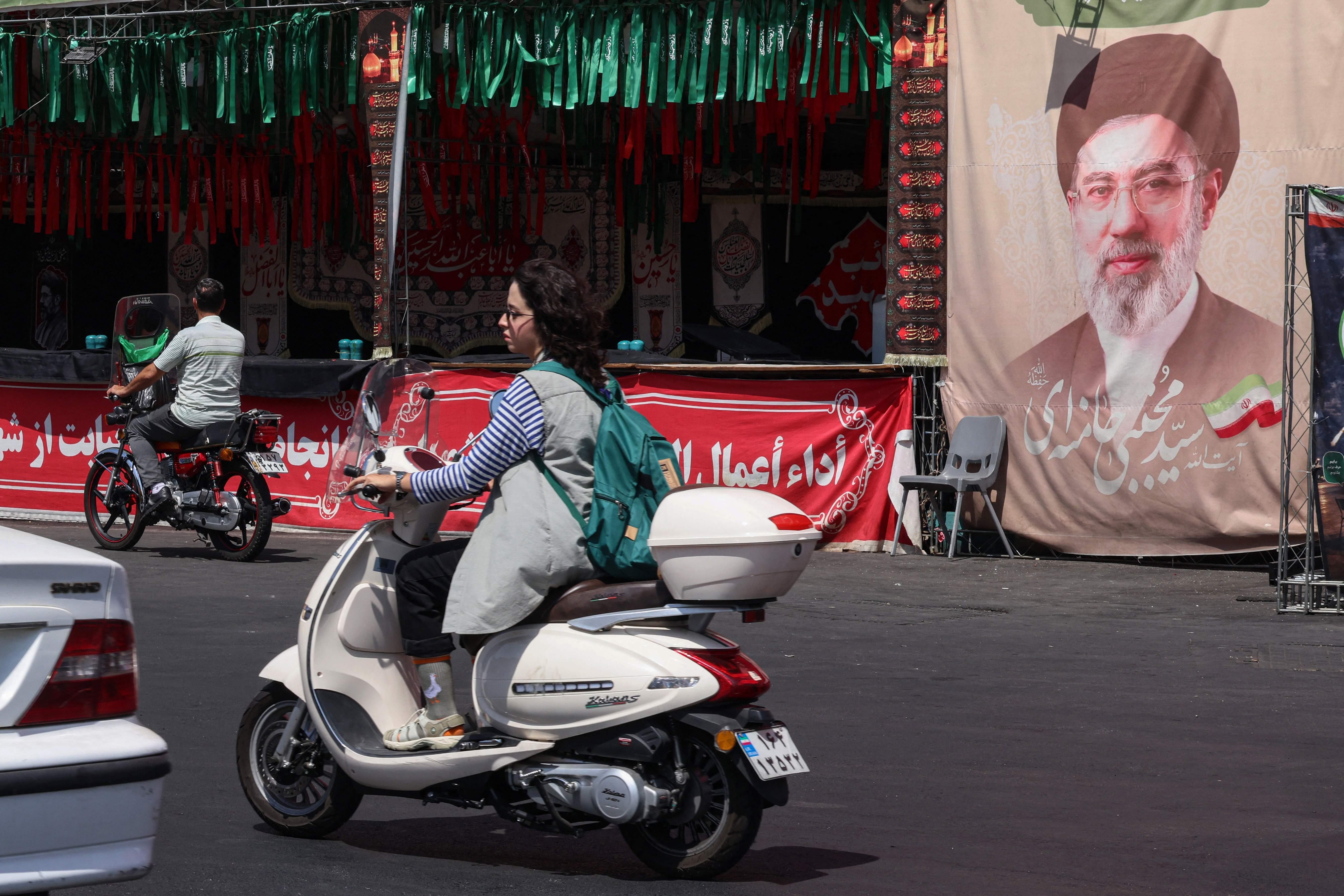
Iran's Supreme Leader Mojtaba Khamenei has denounced the US as the 'Great Satan' in a message on X, while Donald Trump has called for the addition of Iran to the sanctions package targeting Russia. The US has announced new airstrikes on Iran, and the Iranian military has targeted a US base in Kuwait with missiles.
Imagine you're playing a game of chess with your friend, but your friend keeps moving their pieces in ways that you didn't expect. That's kind of what's happening with the US and Iran right now. The US is trying to contain Iran's military capabilities, but Iran is finding ways to respond and counterattack. It's a complex and delicate situation that requires careful consideration and planning.
Analysis
A $60B Vote of Confidence: Iran's Military Buildup and the US Response
The recent airstrikes by the US on Iran have been met with a fierce response from the Iranian military, which has targeted a US base in Kuwait with missiles. This escalation of violence has raised concerns about the stability of the region and the potential for further conflict. The Iranian military's ability to respond to the US airstrikes with precision and effectiveness has been a significant concern for the US and its allies. The US has been trying to contain Iran's military capabilities, but the recent developments suggest that the Iranian military is still a force to be reckoned with.
Why Cursor? The US-Iran Conflict and the Role of the US Congress
The US Congress has been playing a crucial role in the US-Iran conflict, with some lawmakers calling for the addition of Iran to the sanctions package targeting Russia. This move has been seen as a way to increase pressure on Iran and to limit its ability to fund its military activities. However, others have argued that this move would be counterproductive and would only serve to further escalate the conflict. The US Congress has a delicate balance to strike in this situation, as it must balance its desire to contain Iran's military capabilities with its need to avoid further escalating the conflict.
The Road Ahead: The Future of US-Iran Relations
The recent developments in the US-Iran conflict have significant implications for the future of US-Iran relations. The US has been trying to contain Iran's military capabilities, but the recent airstrikes and the Iranian military's response suggest that the US may not be able to achieve its goals through military means alone. The US may need to consider alternative approaches, such as diplomacy and economic sanctions, to contain Iran's military capabilities and to promote stability in the region.
Key points
- Iran's Supreme Leader Mojtaba Khamenei has denounced the US as the 'Great Satan' in a message on X.
- Donald Trump has called for the addition of Iran to the sanctions package targeting Russia.
- The US has announced new airstrikes on Iran, and the Iranian military has targeted a US base in Kuwait with missiles.
- The US Congress has been playing a crucial role in the US-Iran conflict, with some lawmakers calling for the addition of Iran to the sanctions package targeting Russia.
If the US and Iran can find a way to de-escalate the conflict and engage in meaningful diplomacy, there may be opportunities for cooperation and progress in the region. The US and Iran have shared interests in promoting stability and security in the Middle East, and working together could lead to positive outcomes for both countries.
The current escalation of violence between the US and Iran has significant downside risks, including the potential for further conflict and instability in the region. The US and Iran have a long history of mistrust and hostility, and it may be difficult to find a way out of this situation without significant concessions from one or both sides.